Engineered for Maximum Flocculation, Dewatering, and Rheology Modification
Pioneering Bio-Catalytic Synthesis & Global Polymer Supply Chain Excellence
Established in 2011 inside the strategic Free Trade Zone of Qingdao, China, Qingdao Oubo Chemical Co., Ltd. (Brand: O'brien) has solidified its position as an international leader in synthetic resin and water-soluble polymer manufacturing. Over the past decade, Oubo has maintained a consistent annual business growth rate exceeding 10%, breaking through an annual polyacrylamide production capacity of 50,000 Metric Tons in 2018.
Our operation operates under strict ISO9001:2008 Quality Management System standards. We believe that global industrial growth must harmoniously coexist with environmental stewardship. Consequently, Oubo minimizes environmental impacts during both polymer synthesis and field application.
Unlike traditional chemical synthesis routes that rely on high-energy catalytic hydration, Oubo utilizes proprietary biological enzymatic methods for monomer preparation and polymerization. This patented technology significantly reduces residual monomer toxicity (maintaining ultra-low acrylamide monomer levels) and ensures superior linear molecular chain length.
To retain our technical edge, Oubo reinvests €2 Million annually into R&D. Our fully automated production lines are fed by top-tier global upstream chemical suppliers, including SINOPEC, Eni, and other Fortune 500 chemical leaders. Every batch undergoes a rigorous 3-stage QC verification process prior to global dispatch.
Understanding Molecular Weight, Charge Density, and Coagulation Mechanisms
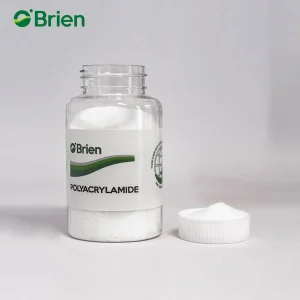
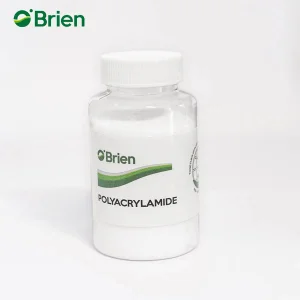
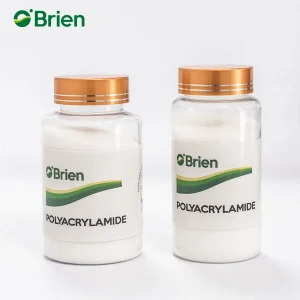
Polyacrylamide (PAM) with the chemical structure (-CH2CHCONH2-)n is a linear synthetic polymer soluble in water but insoluble in most organic solvents. Anionic Polyacrylamide (APAM) is produced by copolymerizing acrylamide (AM) with acrylic acid or sodium acrylate, or via the partial hydrolysis of nonionic polyacrylamide under alkaline conditions.
APAM features an exceptionally long carbon-carbon backbone. Oubo manufactures APAM tailored across a broad molecular weight spectrum from 6 Million to over 25 Million Daltons. Higher molecular weights provide extended polymer chains capable of bridging distant suspended particles across liquid media.
Degree of Hydrolysis (DH) indicates the percentage of carboxylate groups (-COO⁻) present along the chain, typically ranging from 5% to 80%. Charge density dictates the electrostatic interaction with positively charged inorganic particles such as clay, metal oxides, and mineral tailings.
APAM operates primary via two mechanisms: Electrostatic Charge Neutralization and Interparticle Polymer Bridging. Once dissolved, the extended polymer chain adsorbs onto suspended solids, binding multiple particles into heavy, dense macro-flocs for rapid sedimentation.
Technical Information Gain Matrix: Polyacrylamide Variants & Physicochemical Properties
| Polymer Ionic Type | Active Functional Group | Molecular Weight (Million) | Charge Degree Range | Primary Industrial Application Target |
|---|---|---|---|---|
| Anionic Polyacrylamide (APAM) | Carboxyl (-COO⁻) |
6 - 25 MW | 5% - 80% Anionic | Neutral/Alkaline Industrial Wastewater, Mining, Paper Wet-End, EOR |
| Cationic Polyacrylamide (CPAM) | Quaternary Ammonium (-R4N⁺) |
4 - 12 MW | 10% - 80% Cationic | Organic Sludge Dewatering, Municipal Sewage, Biological Wastewater |
| Nonionic Polyacrylamide (NPAM) | Amide (-CONH2) |
5 - 15 MW | Neutral (< 1%) | Acidic Wastewater Processing, Mineral Leaching, Soil Stabilization |
Engineered Polymer Formulations Tailored to Severe Technical Environments
In solid-liquid separation processes, APAM acts as an unmatched clarification and dewatering agent. In industrial wastewater (petrochemical, steel plant, electroplating, sand washing), negatively charged APAM interacts with inorganic suspended solids neutralized by primary coagulants (such as PAC or Ferrous Sulfate).
Key Benefits: Accelerates settlement speeds up to 5-fold, improves supernatant clarity, reduces sludge volume, and optimizes operational throughput in clarifiers, dissolved air flotation (DAF) units, and belt filter presses.
During secondary and tertiary oil recovery, high molecular weight APAM increases the viscosity of injected water. This mobility control mechanism improves sweep efficiency across heterogeneous reservoir rocks, driving trapped crude oil toward recovery wells.
In drilling fluids, APAM functions as a viscosifier, fluid-loss reducer, shale inhibitor, and lubricating agent. It prevents wellbore collapse and efficiently transports drill cuttings to the surface under high shear stress conditions.
Mineral recovery operations produce vast quantities of slurry tailings. Oubo APAM formulations enable rapid solid-liquid separation across coal washing, gold, silver, iron ore, copper, alumina (Bayer Process), and nickel mining.
Our polymers facilitate vacuum filtration, centrifugation, and thickener performance, accelerating water recovery for closed-loop mill reuse while ensuring safe, dry tailings stacking in compliance with global tailings management standards (GSTM).
APAM acts as a multi-functional additive in paper wet-end systems:
In sugar mills (cane and beet sugar), specialized ultra-pure APAM grades clarify raw juice and syrup by aggregating non-sugar impurities, proteins, and suspended solids into easily filterable flocs. It complies with food-grade purity standards, optimizing sugar yield and color quality.
Used as a high-performance sizing agent, APAM forms a smooth, flexible protective film on yarn threads, minimizing breakage during weaving. In textile effluent treatment, APAM decolorizes complex organic dye wastewater when combined with inorganic coagulants.
Maximizing Polymer Efficiency through Standardized Operational Protocols
APAM dry powder should be dissolved in fresh water to a standard working concentration of 0.1% to 0.3% (w/v). Concentrated stock solutions prevent shear degradation and ensure smooth dosing delivery.
Dry powder must be uniformly sprinkled into vortexing water. Recommended agitation speed is 200 - 400 RPM. Allow an aging time of 45 to 60 minutes for complete polymer chain relaxation.
Polymer chains are sensitive to mechanical degradation. Use low-shear pumps (e.g., progressive cavity pumps or diaphragm pumps) and avoid high-speed centrifugal impellers during transport.
Storage & Handling Best Practices: Store APAM powder in cool, dry, ventilated conditions. Sealed bags maintain full stability for 24 months. Prepared aqueous solutions should be utilized within 48 hours to prevent molecular chain degradation from bio-fouling or oxidation.
Flexible Export Packaging Engineered for International Transport
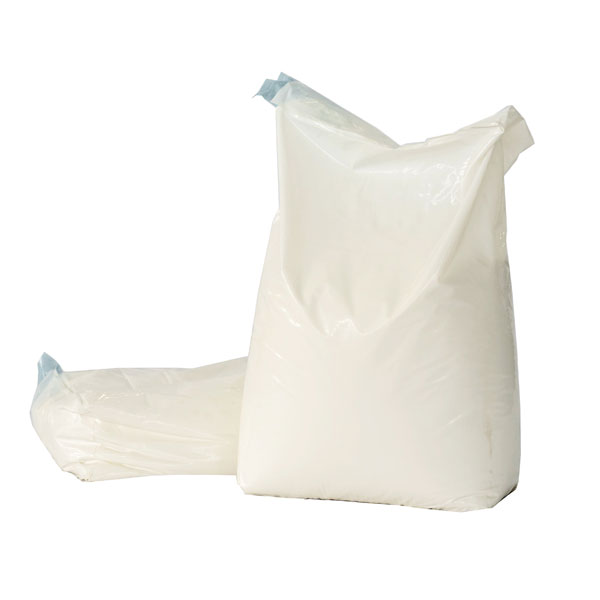
Custom OEM/ODM Neutral Kraft or PE Bags (25kg)
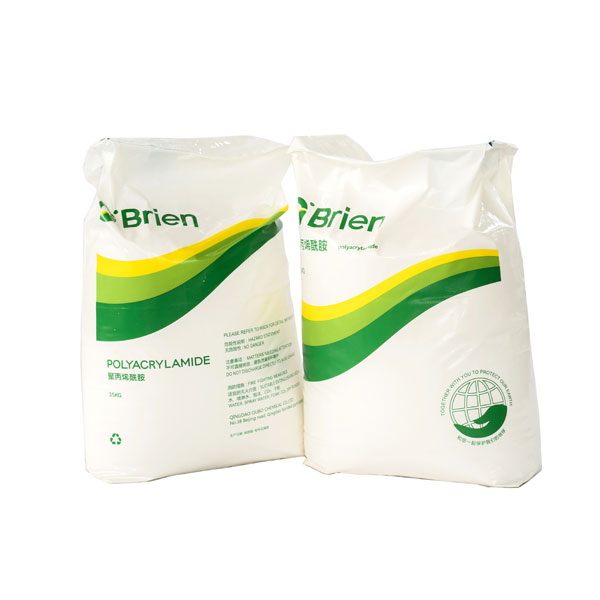
O'brien Standard 25kg Valve Paper Bags
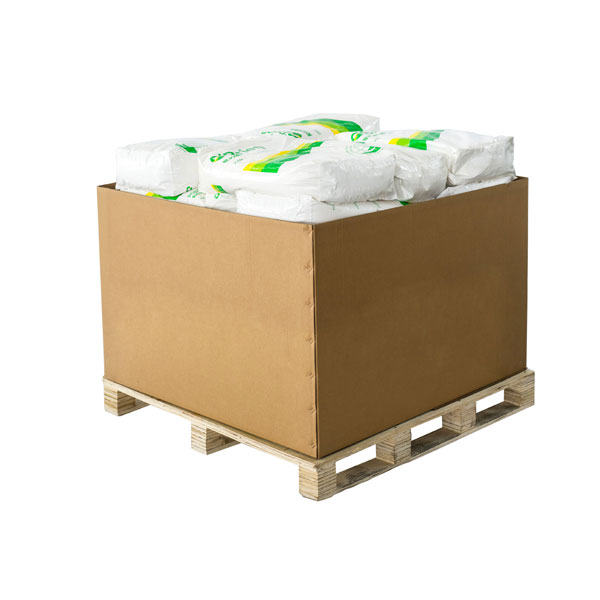
750kg - 1000kg Big Bags for High Volume Mining/Oilfield
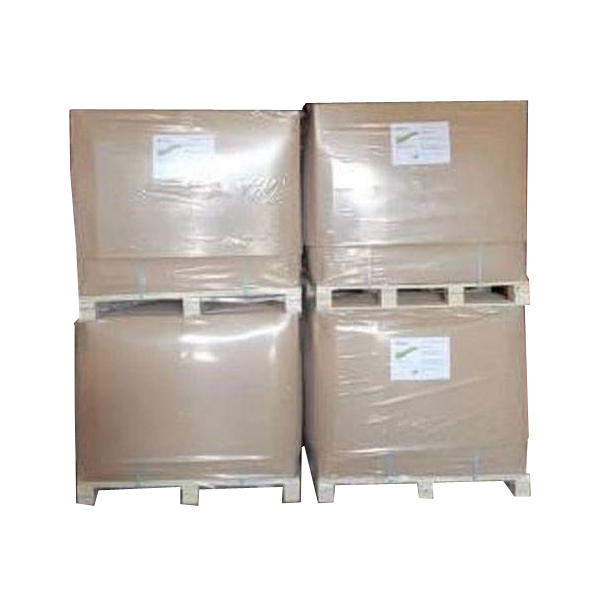
ISPM-15 Fumigated Wooden/Plastic Pallets (1.0-1.2 Ton/Pallet)
Expert Answers on Anionic Polyacrylamide Selection, Testing, and Application
-COO⁻) on the APAM chain become protonated into non-ionic carboxyl groups (-COOH), causing the polymer to lose its anionic charge and shrink in solution, which reduces bridging capability. For highly acidic industrial wastewater or acid-leaching mining operations, Nonionic Polyacrylamide (NPAM) or low-anionic specific polymers are recommended over standard APAM.
Discover Full Range Formulations: Anionic, Cationic, and Nonionic Solutions
 Oubo Chemical