Explore our flagship synthesized polyacrylamide formulations engineered for rapid flocculation, superior clarity, and precise rheology control.
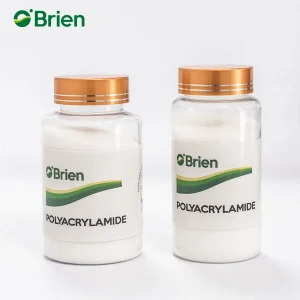
Established in 2011 within the Qingdao Free Trade Zone, China, Oubo Chemical operates at the absolute frontier of synthetic macromolecular chemistry and bio-catalyzed polymer manufacturing.
As a premier China Anionic Polyacrylamide Manufacturer & Supplier, Qingdao Oubo Chemical Co., Ltd. has spent over a decade perfecting the polymer synthesis architecture. Operating within the strategic hub of the Qingdao Free Trade Zone, our state-of-the-art facilities leverage third-generation bio-catalytic acrylamide synthesis—a zero-carbon-footprint, high-purity biological enzymatic reaction pathway.
Our commitment extends across the entire spectrum of Polyacrylamide (PAM) formulations, incorporating Anionic Polyacrylamide (APAM), Cationic Polyacrylamide (CPAM), and Nonionic Polyacrylamide (NPAM). Backed by rigorous ISO 9001:2008 quality control protocols, each manufacturing batch undergoes three independent laboratory validation rounds prior to dispatch, ensuring absolute batch-to-batch molecular consistency, precise charge density targeting, and ultra-high dissolution velocity.
Oubo Chemical reinvests substantial revenue into R&D annually. Partnering with global chemical giants such as SINOPEC and Eni for raw material monomer sourcing, our automated production lines yield polymers with targeted molecular weights ranging from 5 Million up to 25 Million Daltons, fully tailored to complex global water, mining, energy, and paper processing requirements.
Understanding the molecular dynamics, charge density kinetics, and bridging mechanisms behind Anionic Polyacrylamide.
Unlike traditional chemical synthesis pathways using copper catalysts (which leave toxic heavy metal traces), Oubo utilizes bio-enzymatic nitrile hydratase conversion. This produces hyper-pure Acrylamide monomer, allowing high polymerization degrees resulting in clean, high-molecular-weight APAM without cross-linked insolubles.
Anionic Polyacrylamide is synthesized by copolymerizing acrylamide with acrylic acid/sodium acrylate monomers, or via partial hydrolysis of polyacrylamide. The degree of hydrolysis (DH) dictates the carboxylate ($-\text{COO}^-$) charge density, customizable from 10% to 50% mole percentage.
APAM operates via dual mechanism kinetics: Charge Neutralization (compressing the electric double layer of positively charged colloidal particles) and Macromolecular Bridging (adsorbing onto multiple suspended particles simultaneously to build heavy, compact macro-flocs for accelerated gravity settling).
Selecting the optimal molecular weight (MW) and anionicity (charge degree) is crucial for achieving peak solid-liquid separation kinetics. The following matrix illustrates engineered parameter pairings for primary industrial applications:
| Product Series Grade | Molecular Weight (Million Daltons) | Degree of Hydrolysis (Anionicity %) | Dissolution Time (Mins) | Primary Target Applications |
|---|---|---|---|---|
| Oubo APAM-HW18 | 18.0 – 22.0 | 20% – 30% | ≤ 50 | Municipal Sewage Treatment, Coal Washing, Mineral Tailings |
| Oubo APAM-HW25 | 22.0 – 25.0 | 25% – 35% | ≤ 60 | Enhanced Oil Recovery (EOR), Tertiary Crude Extraction |
| Oubo APAM-MD12 | 12.0 – 16.0 | 15% – 25% | ≤ 40 | Paper Retention & Drainage Aid, Wet End Strength Agent |
| Oubo APAM-HD30 | 14.0 – 18.0 | 30% – 50% | ≤ 45 | High-Salinity Industrial Wastewater, Acidic Mining Solids |
| Oubo APAM-FG10 | 8.0 – 12.0 | 10% – 20% | ≤ 35 | Food Processing Wastewater, Sugar Juice Clarification |
Optimized polymer dosing regimes tailored to extreme operating environments across global sectors.
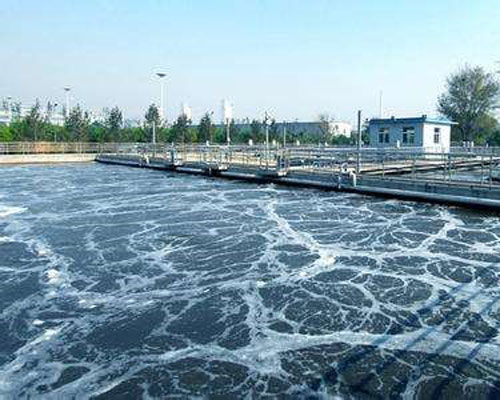
In modern industrial solid-liquid separation, Anionic Polyacrylamide acts as an indispensable primary flocculant or co-coagulant helper alongside inorganic salts (PAC, Alum, Ferric Chloride). When applied to municipal wastewater, leather tannery effluents, electroplating wash waters, and chemical plant discharge, APAM rapidly bridges neutralized micro-flocs into large, dense pin-flocs.
In mature oil fields, tertiary recovery relies heavily on high-molecular-weight APAM to alter the mobility ratio between injected water and crude oil. Oubo's specialized EOR grade polymer features extreme shear resistance and thermal stability up to 85°C.
Mining operations require colossal volumes of process water recycling. Oubo APAM acts as a vital thickener and clarifying aid across coal washing, iron ore dressing, copper heap leaching, gold/silver cyanidation, and aluminum red mud settling.
In wet-end paper manufacturing, APAM functions as a dual-component retention and drainage system element, neutralizing anionic trash while forming hydrogen bonds between cellulose fibers.
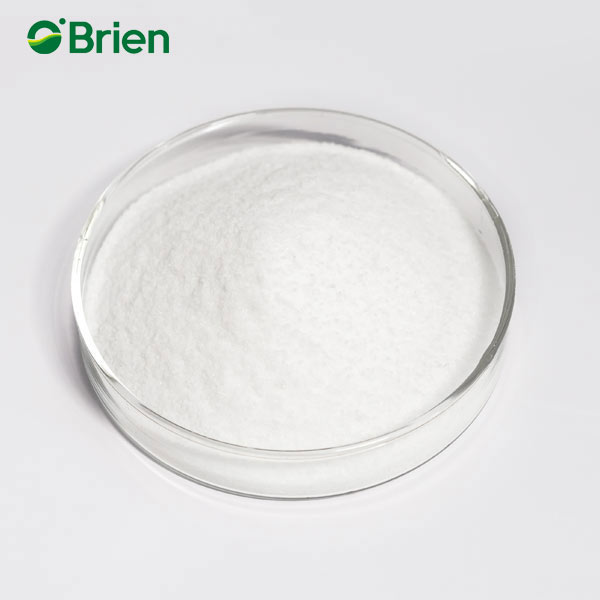
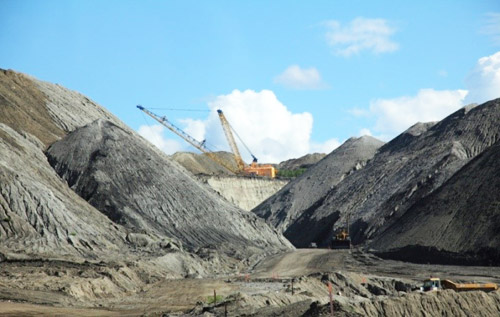
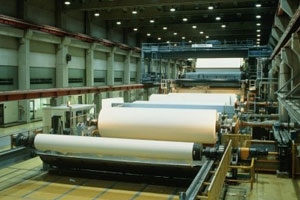
Global scale, strategic port access, automated continuous polymerization lines, and stringent ISO quality assurance.
Oubo maintains strategic long-term supply alliances with leading global monomer producers like SINOPEC and Eni. Direct raw material access guarantees continuous production availability, shield pricing against volatile market spikes, and guarantees 99.9% monomer purity.
Our Qingdao production plant employs fully automated, closed-loop PLC continuous hydrolysis and gel polymerization reactors. Microprocessor temperature control minimizes unreacted acrylamide residues ($<0.05\%$), producing pristine granules with instant solubility.
Located inside the Free Trade Zone of Qingdao, Oubo enjoys direct proximity to Qingdao Port—one of the largest deep-water shipping hubs worldwide. We offer expedited container loading, streamlined customs clearance, and global ocean freight delivery within optimized timelines.
Leading the next generation of eco-friendly, hyper-branched, and temperature-tolerant polyacrylamide matrices.
Oubo Chemical invests €2 Million annually into advancing polymer science. Our research roadmap addresses the urgent environmental demands of zero-liquid discharge (ZLD) systems and ultra-deep reservoir extraction:
Developing modified copolymer chains incorporating hydrophobic associating monomers that maintain peak viscosity even in high-salinity brines (up to 200,000 ppm TDS).
Refining enzymatic catalysis to produce food-grade and potable-water approved flocculants meeting strict WHO and European REACH standards.
Deploying IoT sensor integration with automatic dry powder preparation units to optimize real-time dosage, lowering operational chemical costs by 15-25%.
Standardized packaging solutions ensuring zero moisture absorption, long shelf life, and robust ocean transport stability.
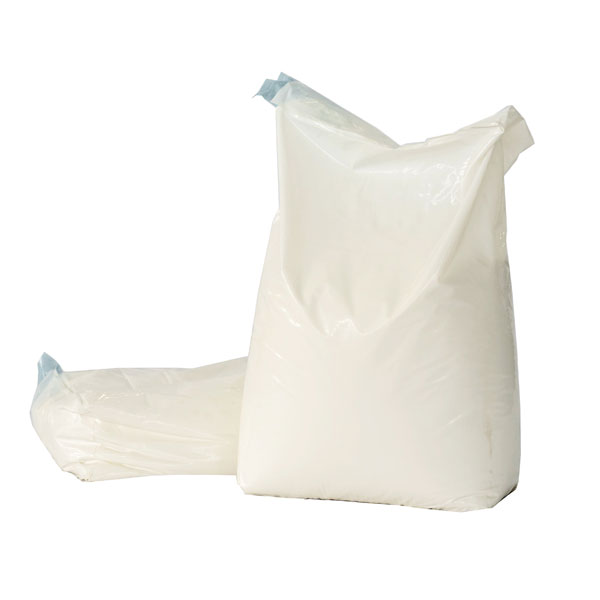
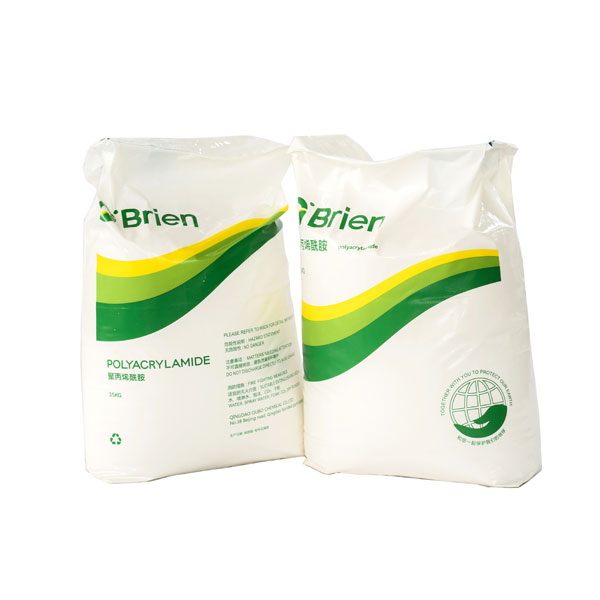
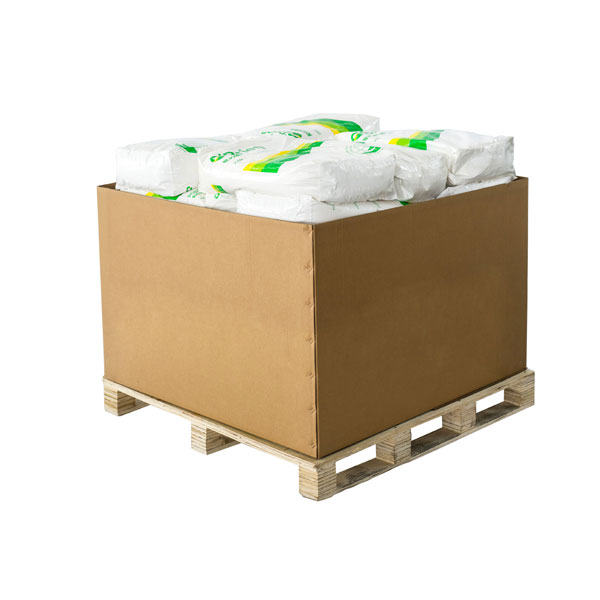
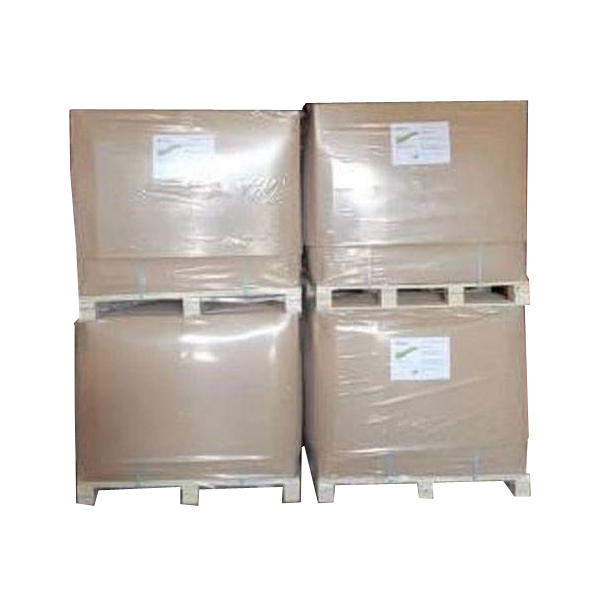
In-depth technical solutions addressing common field preparation, dosing, and selection challenges.
To avoid un-dissolved gel lumps ("fish-eyes"), introduce APAM powder slowly into a vortex created by a mechanical stirrer running at 200–400 RPM. Maintain water temperature between 20°C and 40°C. Standard working solution concentration is 0.1% to 0.3% (w/v). Allow continuous stirring for 45 to 60 minutes until the solution becomes completely clear and homogeneous.
Anionic Polyacrylamide (APAM) carries negatively charged functional carboxyl groups ($-\text{COO}^-$), making it ideal for suspending inorganic, mineral-rich particles (mineral tailings, clay suspensions, river silt). Cationic Polyacrylamide (CPAM) carries positive charges (quaternary ammonium ions), optimized for organic-heavy biological sludge dewatering in municipal sewage plants.
High-shear centrifugal pumps or high-speed agitation break long macromolecular polymer chains, resulting in irreversible viscosity degradation. Always use low-shear peristaltic or progressive cavity pumps (mono pumps) to transfer prepared polyacrylamide solutions to the injection point.
Unlike dry powder (which lasts 24 months), aqueous diluted APAM stock solution gradually hydrolyzes and degrades over time. Aqueous solutions (0.1%–0.3%) should ideally be consumed within 24 to 48 hours. Store make-down solutions in plastic, stainless steel, or glass fiber reinforced containers; avoid unlined iron containers as ferric ions degrade polymer chains.
Coal tailings slurry usually benefits from high molecular weight APAM (18 to 22 Million Daltons) with medium anionicity (20–30%). Higher MW provides strong bridging capabilities to rapidly aggregate fine coal particles into large, rapidly settling flocs, accelerating thickener overflow clarification.
Yes. Oubo’s specialized technical engineering team offers free bench-top jar testing services. Clients can send raw wastewater or tailings slurry samples to our Qingdao laboratory. We perform turbidity screening, settleability trials, and filter press simulation to recommend the exact target grade and optimized chemical dosing rates.
Browse our localized specialized series engineered for pulp, paper, drilling muds, municipal sludge, and metallurgical separation.
 Oubo Chemical