Direct factory procurement options for municipal wastewater, mining tailing clarification, oilfield EOR, and industrial processes.
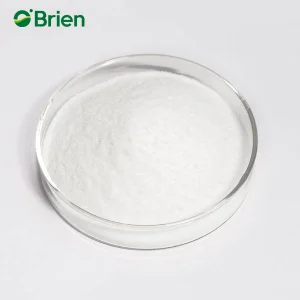
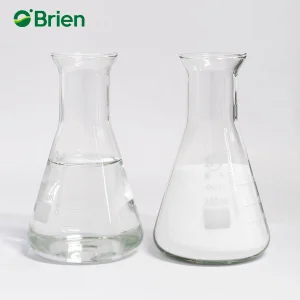
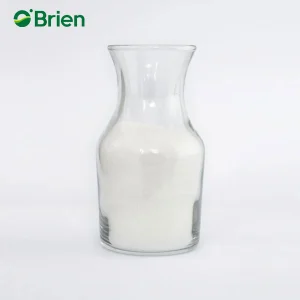
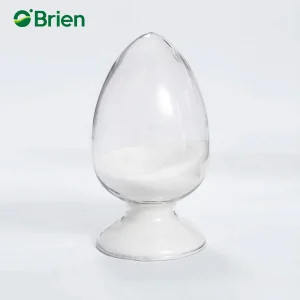
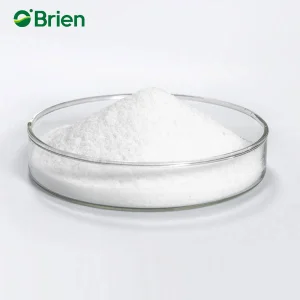
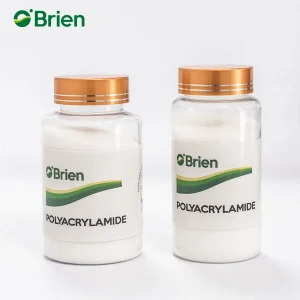
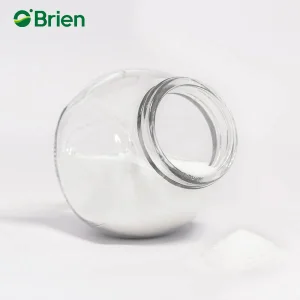
Navigating global chemical sourcing requires an understanding of raw material indices, degree of hydrolysis, polymerization techniques, and logistics structures originating from China's premier free trade zones.
The price of Anionic Polyacrylamide (APAM, CAS 9003-05-8) from Chinese manufacturers is determined by a complex interplay of chemical feedstock costs, technical specifications, and process efficiency. Primary cost variables include:
China has established an unassailable advantage in global polyacrylamide supply, accounting for over 45% of total world output. Strategic benefits include:
| Polymer Grade | Molecular Weight (Million) | Degree of Hydrolysis (%) | Solid Content (%) | Dissolving Time (Mins) | Primary Commercial Application | Indicative FOB Price Range |
|---|---|---|---|---|---|---|
| Standard Municipal APAM | 10 - 14 M | 20 - 30% | ≥ 88% | ≤ 60 | Municipal Sewage & Sedimentation | $1,250 - $1,550 / MT |
| High MW Industrial APAM | 16 - 22 M | 25 - 35% | ≥ 89% | ≤ 50 | Mining Tailings & Metallurgical Washing | $1,480 - $1,850 / MT |
| Ultra-High MW EOR APAM | 22 - 28 M | 15 - 25% | ≥ 90% | ≤ 45 | Tertiary Oil Recovery (EOR) & Fracturing | $1,750 - $2,200 / MT |
| Paper Machine Retention APAM | 8 - 12 M | 10 - 20% | ≥ 88% | ≤ 40 | Papermaking Dry Strength & Retention | $1,300 - $1,650 / MT |
*Note: Pricing subject to raw monomer market indices, order volume MOQ, standard packaging, and customization requirements. Contact Qingdao Oubo Chemical Co., Ltd. for live contract quotations.
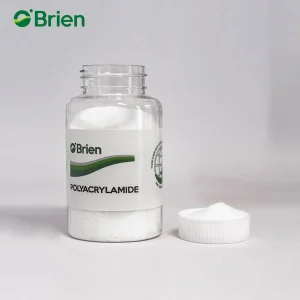
Polyacrylamide (PAM, CAS 9003-05-8) is a synthetic, water-soluble high polymer formed from acrylamide subunits. Its performance in solid-liquid separation depends on exact molecular design and charge matching.
Copolymerized with acrylamide and acrylate monomers. Carrying negative functional charges ($-\text{COO}^-$), APAM adsorbs onto positively charged inorganic suspended particles via electrostatic attraction and hydrogen bonding, creating massive floc bridges.
Ideal For: Neutral to alkaline inorganic suspended solids, mineral dressing, coal slurry washing, sand processing, and silica clarification.
Incorporates cationic monomers (e.g., DAC, DMC). Carrying positive charges ($-\text{NH}_3^+$ or quaternary ammonium), CPAM neutralizes negatively charged organic colloids effectively.
Ideal For: Organic-rich municipal sludge dewatering, belt filter presses, centrifuges, tannery effluent, and brewery wastewater processing.
Homopolymerized acrylamide with low charge density. Relies predominantly on high-density hydrogen bonding along the polymer backbone to form strong bridging links.
Ideal For: Highly acidic industrial wastewater, soil stabilization, filtration aids, and specialized textile sizing.
Tailored polyacrylamide formulations designed for high-stress operational environments across key global sectors.
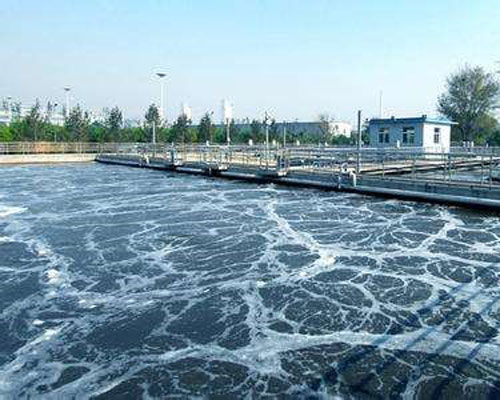
Accelerates solid-liquid separation in sedimentation tanks and clarifiers. High molecular weight APAM accelerates settling velocity while reducing chemical sludge volume by up to 30% compared to inorganic coagulants like Alum or PAC.
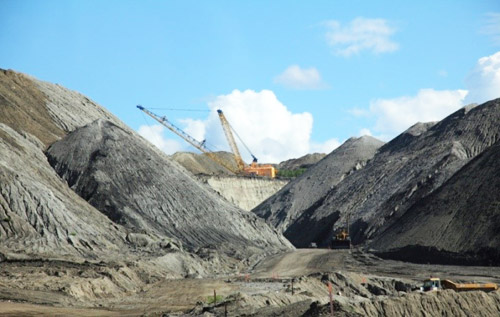
Critical in coal washing slurries, iron ore tailings, copper hydrometallurgy, and gold cyanidation. APAM increases thickener throughput, recovers clear process water, and ensures environmental compliance for tailings storage facilities (TSFs).
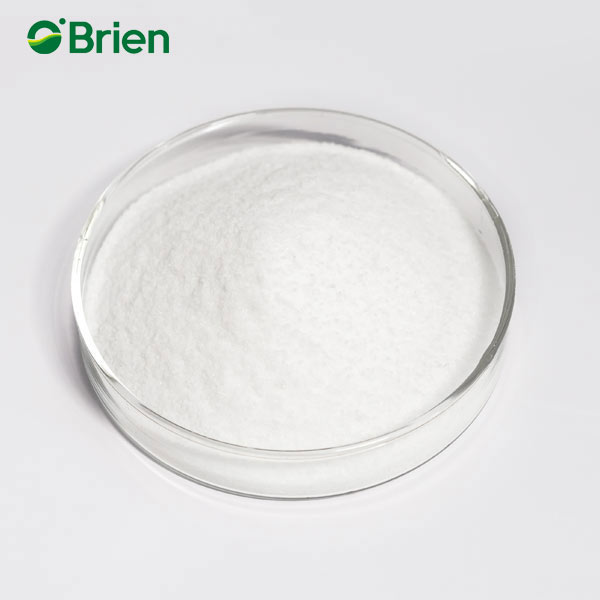
Used as mobility control polymer for EOR sweep efficiency, shale inhibitor in drilling fluids, and friction reducer in hydraulic fracturing fluids. High-viscosity APAM withstands high shear forces and reservoir salinity.
Acts as retention agent, drainage aid, and dry strength additive. Improves fine fiber retention on paper web, enhances paper tensile index, and minimizes wet-end anionic trash interference.
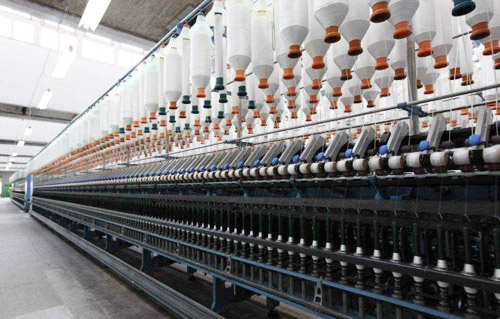
Protects aquatic environments by clarifying complex dye house effluents containing azo dyes, heavy metals, and sizing agents. Works rapidly with inorganic coagulants to achieve high color removal.
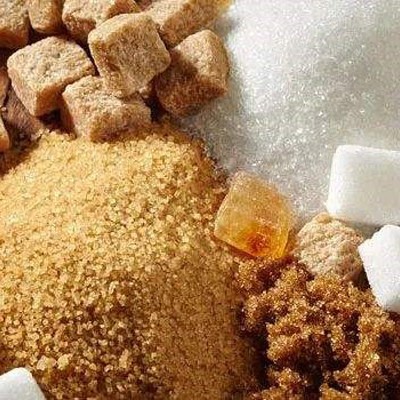
Food-grade polyacrylamide formulations for rapid juice clarification and mud settling in raw sugar mills. Ensures low residual acrylamide levels in compliance with international food safety standards.
Established in 2011 in the Free Trade Zone of Qingdao, China, Oubo Chemical combines biological manufacturing innovations with rigorous global compliance.
Utilizes advanced bio-enzymatic acrylamide synthesis technology (patented). Provides higher chemical purity, lower environmental impact, and superior polymer stability compared to old chemical pathways.
Strategic partnerships with raw material giants such as SINOPEC and Eni guarantee consistent reactant purity. All production lines feature automated real-time DCS control.
ISO 9001 certified quality management. Every batch undergoes 3-stage testing by our dedicated QC team: raw monomer audit, in-process viscosity checks, and final powder assay.
Our experienced polymer chemical engineering team participates across pre-sales jar testing, operational lab matching, site dosing optimization, and post-sales technical troubleshooting.
Protecting polymer integrity during long-distance maritime transport with moisture-proof barrier technology and flexible OEM customization.
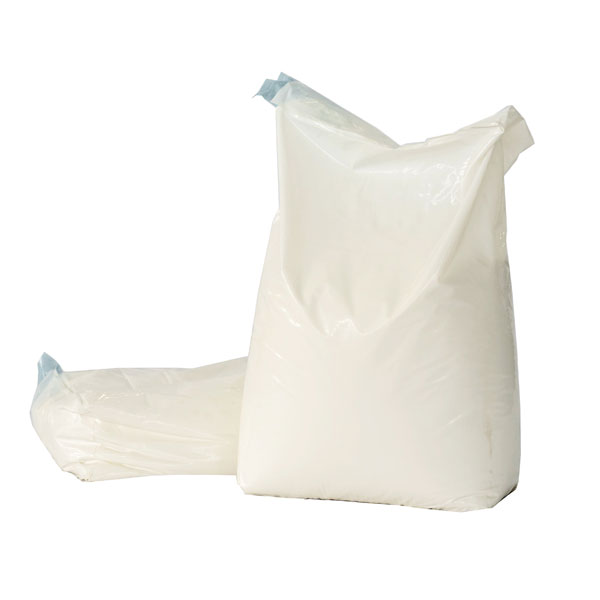
25kg multi-wall kraft paper or PE inner liner bags. Ideal for regional distributors requiring local labeling flexibility.
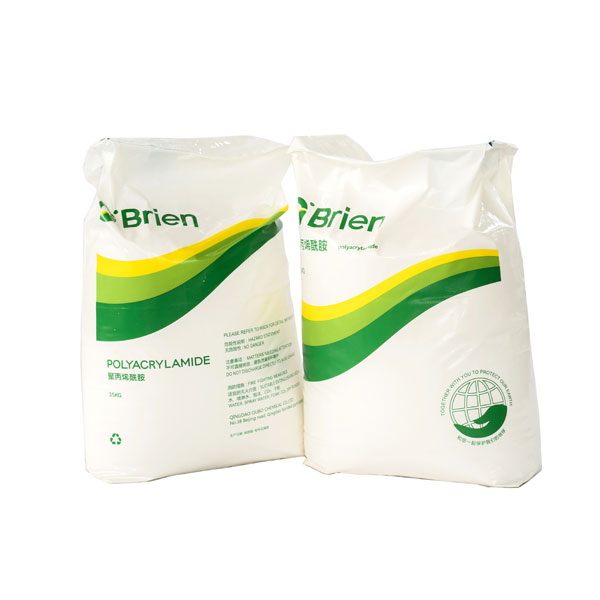
Standardized O'brien chemical branding with multilingual safety warnings, batch tracking codes, and REACH details.
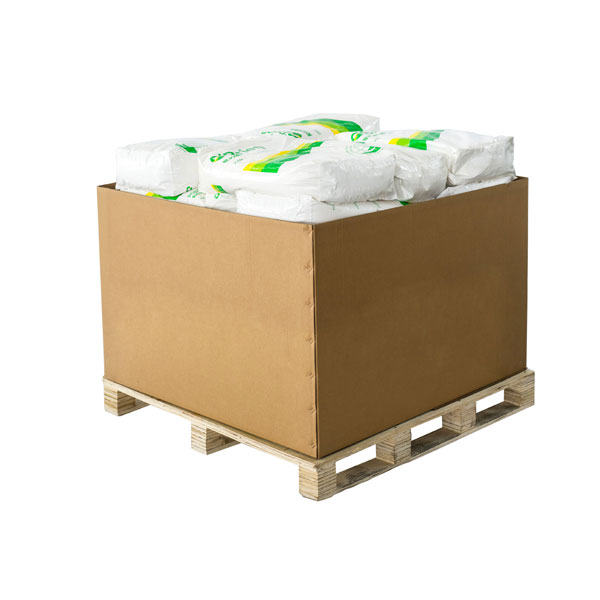
750kg / 1000kg high-capacity bulk bags fitted with bottom discharge spouts for automated industrial dosing hoppers.
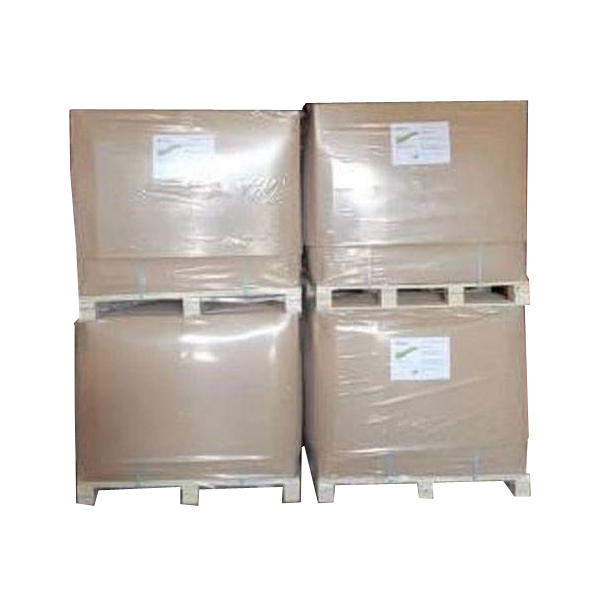
Heat-treated ISPM-15 wooden or plastic pallets, fully stretch-wrapped and strapped for container stability.
Send wastewater samples or chemical data parameters (pH, TSS, Charge Density) for lab screening.
Oubo polymer engineers perform comparative jar testing to identify the optimal ionic charge and MW grade.
Receive transparent FOB/CIF pricing schedules, sample validation kits, and COA certification.
Automated factory synthesis within 7-14 days, followed by Qingdao Free Trade Zone rapid shipping.
The polyacrylamide sector is undergoing rapid technological transformation focused on environmental sustainability, energy efficiency, and high-performance molecular design.
Transitioning from petroleum-derived monomers toward bio-based acrylamide synthesis using enzymatic catalysts. Reduces carbon footprint by up to 35% while eliminating toxic byproduct trace impurities.
Expanding adoption of fast-dissolving water-in-oil polymer emulsions. Eliminates powder dust hazards, reduces dissolution times from 60 minutes to under 5 minutes, and enables automated inline dosing.
Next-generation hyper-branched APAM formulations specifically engineered for ultra-deep oilfield EOR and high-saline mining process water where conventional polymers degrade rapidly.
Expert answers to key technical, pricing, and procurement questions for industrial chemical buyers.
Direct factory solutions for paper, sugar, municipal, and specialized industrial applications.
 Oubo Chemical