Engineered for extreme solid-liquid separation efficiency, flocculation speed, and process fluid stabilization.
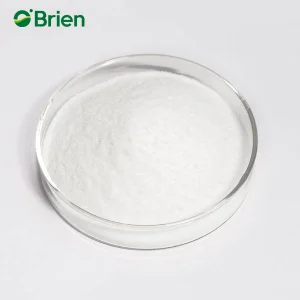
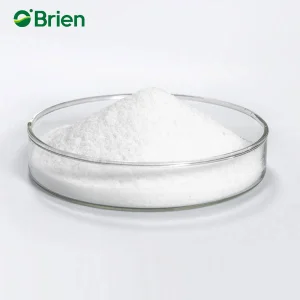
An authoritative analysis of molecular weight tailoring, degree of hydrolysis (DH), and bio-catalyzed polymer production.
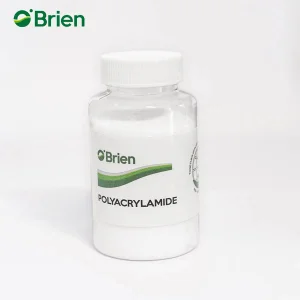
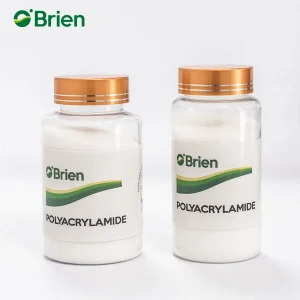
Anionic Polyacrylamide (APAM), identified under CAS No. 9003-05-8, is a linear, water-soluble high-molecular-weight polymer synthesized through the copolymerization of acrylamide and acrylic acid monomers or via the controlled partial hydrolysis of polyacrylamide. The ionic character of APAM stems from negatively charged carboxylate groups (—COO⁻) distributed along its synthetic backbone.
When dissolved in aqueous media, APAM functions through two main mechanisms: charge neutralization and interparticle polymer bridging. The extended linear chains stretching into solution adsorb onto suspended particulate surfaces. By bridging across multiple solid particles simultaneously, APAM forms dense, fast-settling micro- and macro-flocs, rapidly accelerating solid-liquid separation phases in complex industrial processing environments.
Information Gain Metric: Oubo Chemical utilizes third-generation biological enzymatic catalyst synthesis rather than legacy chemical hydration methods. This produces ultra-pure acrylamide monomer with lower residual monomer levels (< 0.05%), higher polymer chain linearity, and customizable molecular weights reaching up to 25+ Million Daltons.
Select the optimal polymer parameter matching your effluent turbidity, salinity, pH level, and equipment shear conditions:
| Grade Designation | Molecular Weight (Million) | Hydrolysis Degree (Mole %) | Solid Content (%) | Dissolution Speed (Mins) | Primary Industrial Applications |
|---|---|---|---|---|---|
| APAM-High MW Standard | 12.0 – 16.0 M | 20% – 30% | ≥ 88% | ≤ 50 min | Municipal Sewage, Industrial Wastewater, Sand Washing |
| APAM-Ultra High MW | 18.0 – 25.0+ M | 25% – 35% | ≥ 90% | ≤ 60 min | Enhanced Oil Recovery (EOR), Mineral Tailings Dewatering |
| APAM-Low Hydrolysis | 8.0 – 12.0 M | 5% – 15% | ≥ 88% | ≤ 45 min | Acidic Wastewater Treatment, Clay Retention in Mining |
| APAM-High Hydrolysis | 10.0 – 15.0 M | 40% – 60% | ≥ 88% | ≤ 40 min | Paper Dry Strength, Sugar Refining Floatation |
Strategically positioned in the Free Trade Zone of Qingdao, China—combining raw material integration, strict QC control, and seamless port logistics.
Established in 2011, Qingdao Oubo Chemical Co., Ltd operates state-of-the-art automated polymerization lines delivering over 50,000 Metric Tons of dry polyacrylamide powder annually.
Raw materials are directly sourced from global industry leaders like SINOPEC and Eni. Every batch undergoes 3 rigorous quality inspection checkpoints before final packaging and delivery.
Located inside the Qingdao Free Trade Zone, Oubo offers direct access to major international shipping lines, tax-efficient procurement options, and fast container turnaround times.
About Qingdao Oubo Chemical Co., Ltd: The QC system of O'Brien (Oubo) is strict and comprehensive. Over the past 10 years, our business growth rate has maintained a steady 10% per year. We are highly committed to quality, customer service, and environmental stewardship during polymer production and global application.
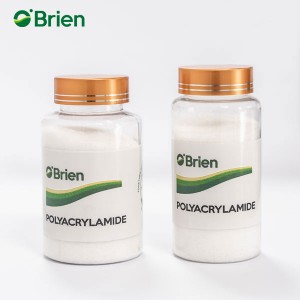
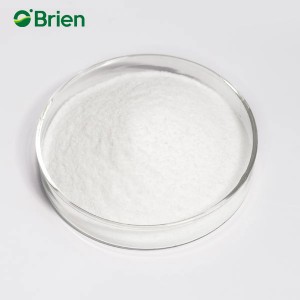
From municipal ZLD water treatment to deep-reservoir enhanced oil recovery, examine how APAM CAS 9003-05-8 operates across industries.
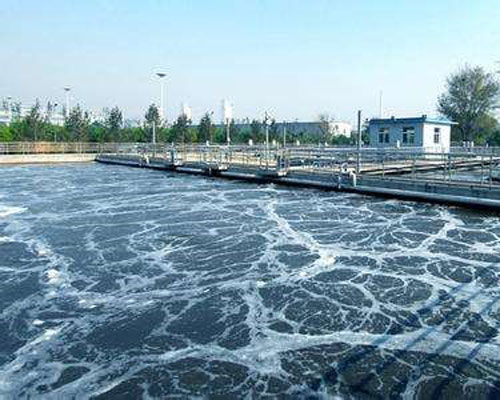
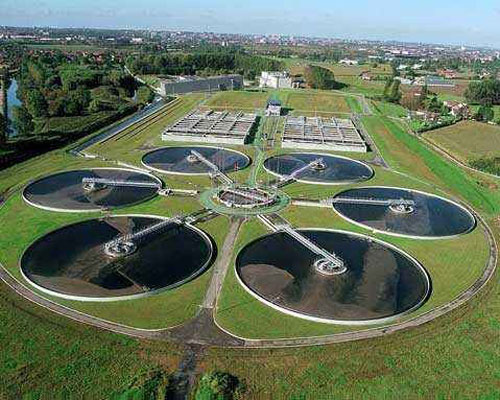
Polyacrylamide plays a central role in solid-liquid separation processes, including sedimentation, clarification, thickening, and sludge dewatering. In municipal sewage plants and industrial wastewater facilities, APAM acts as an effective primary coagulant aid and flocculant.
Key industrial wastewater streams treated include leather processing, paper manufacturing, citric acid production, vegetable protein extraction, textile dyeing, and pharmaceutical effluents. APAM helps industrial plants meet increasingly stringent environmental discharge regulations while minimizing overall sludge cake volume.
In the oil and gas sector, high-molecular-weight Anionic Polyacrylamide is utilized extensively in Enhanced Oil Recovery (EOR), profile control, water plugging, and drilling/fracturing fluid additive formulations.
APAM increases the viscosity of injected water, improving sweep efficiency across heterogeneous reservoir formations. In drilling operations, it controls fluid loss, stabilizes shales, lubricates the drill string, carries cuttings to the surface, and improves well cementing efficiency under high-temperature and high-salinity conditions.

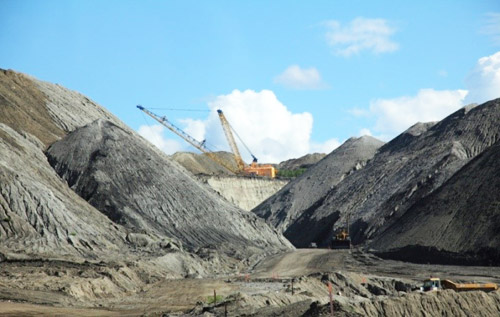
Within coal preparation and metal ore processing (gold, silver, copper, iron, nickel), APAM accelerates particle settling in thickeners and tailing ponds. It enables rapid water clarification for immediate plant re-use and facilitates efficient filtration or centrifugation of mineral concentrates.
Oubo’s specialized high-molecular-weight APAM grades provide superior shear tolerance, ensuring stable flocs even under high-agitation pumping and filtration operations.
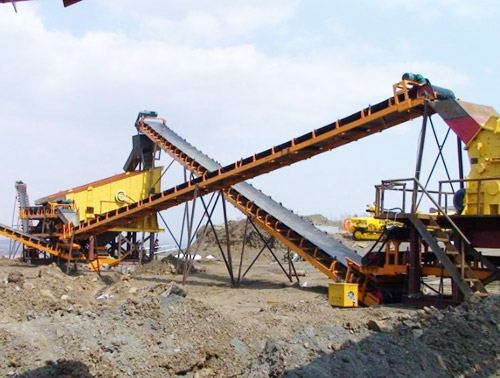
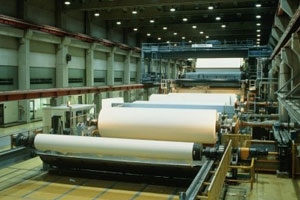
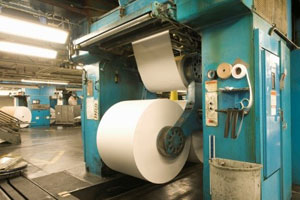
In paper manufacturing, APAM functions as a dry strength agent, retention aid, and filtration accelerator. It enhances paper physical strength by promoting covalent amide-hydroxyl bonding between pulp fibers while capturing fine fibers and fillers.
Furthermore, APAM serves as an anionic trash collector and dispersant, improving paper sheet uniformity, softness, and overall machine runnability during high-speed papermaking.
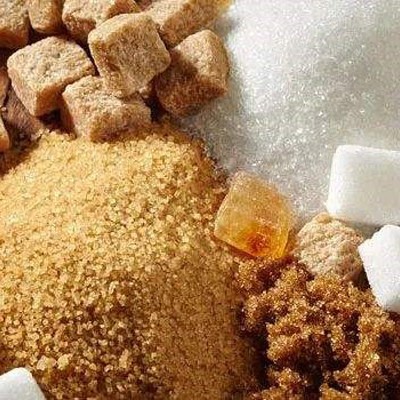
Sugar Refining: Food-grade APAM speeds up juice clarification and floatation in sugarcane and sugar beet processing, producing higher purity juice with reduced energy usage.
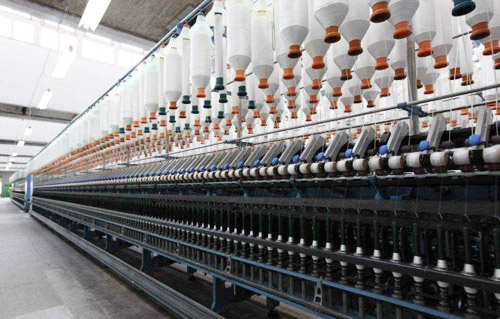
Textile Industry: APAM acts as a smooth sizing agent, fabric treatment additive, and finishing agent, enhancing tensile strength and reducing yarn breakages during weaving.
Agriculture: Applied as a soil conditioner and anti-erosion agent, APAM stabilizes topsoil structure, improves water infiltration, and reduces sediment run-off.
Flexible, moisture-proof bulk packaging engineered for long-distance ocean transport and long shelf-life storage.
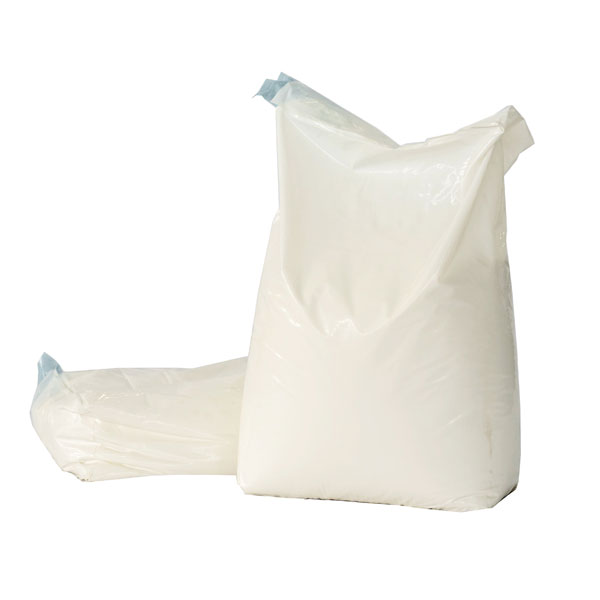
Neutral 25kg Kraft paper or PE inner bags designed for distributor re-branding and private label contracts.
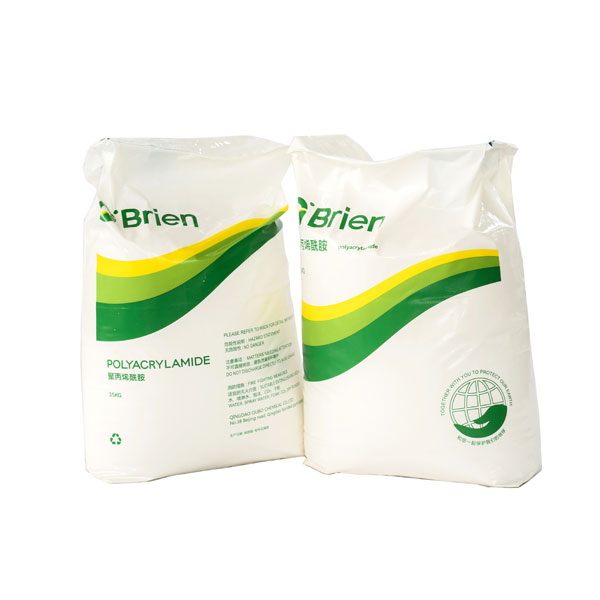
Oubo standard heavy-duty moisture barrier bags with multi-language safety data and handling instructions.
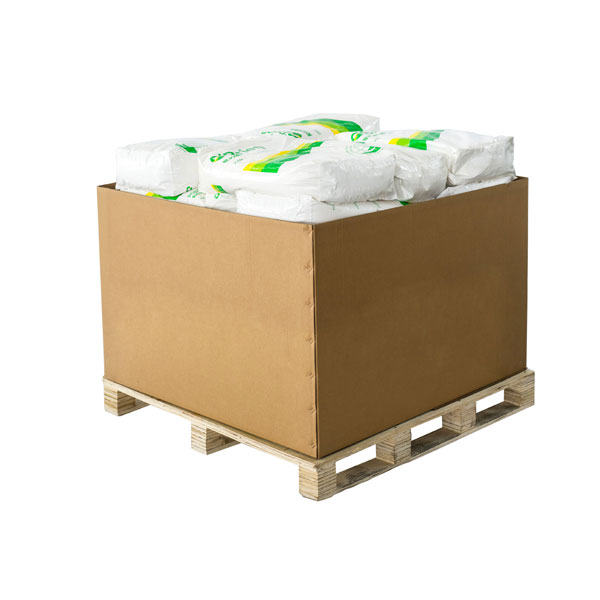
750kg – 1000kg FIBC Ton bags with bottom discharge chutes tailored for continuous automated dosing plants.
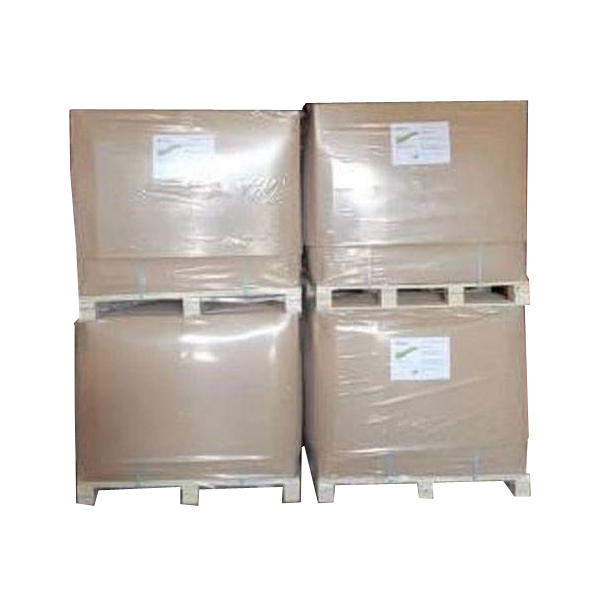
Fumigated wooden or plastic pallets shrink-wrapped with stretch film for secure, zero-damage sea transport.
Follow standard field preparation protocols to maximize molecular chain uncoiling and prevent polymer fish-eyes.
Use clean tap water or low-salinity process water (pH 6.5–8.5). Avoid strong acidic, alkaline, or high-iron concentration makeup water.
Prepare standard 0.1% to 0.3% stock solutions (e.g., 1g to 3g dry APAM powder per 1 Liter of water).
Slowly sprinkle dry granules into the vortex created by low-speed agitation (200–400 RPM) to prevent clumping.
Agitate for 40 to 60 minutes until dry granules dissolve completely into a clear, uniform, viscous solution.
Answers to key technical questions regarding Anionic Polyacrylamide procurement, performance, and laboratory testing.
The key distinction lies in the electrical charge carried along the polymer backbone: Anionic Polyacrylamide (APAM) carries negative charges (carboxylate groups) and excels in treating inorganic suspensions, minerals, and alkaline clay slurries. Cationic Polyacrylamide (CPAM) carries positive charges (quaternary ammonium groups), making it ideal for organic municipal sludge dewatering and biological waste. Nonionic Polyacrylamide (NPAM) carries near-zero electrical charge and operates effectively in acidic industrial wastewater conditions or high-salinity solutions where charged polymers fail.
Selection depends on your solids concentration, particle size, and equipment shear forces. Higher molecular weight polymers (18–25 Million Daltons) create larger flocs rapidly and are suitable for gravity thickeners and settling basins. Higher hydrolysis degrees (30–50%) increase solubility and electrostatic charge density, making them effective for highly turbid industrial effluents. We recommend performing standard Jar Tests with our technical team to select the ideal parameter match.
Dry Anionic Polyacrylamide powder has a shelf life of 24 months when stored in original, unopened, airtight packaging in a cool, dry, ventilated warehouse. Once dissolved into an aqueous solution (0.1%), the liquid solution should be consumed within 24 to 48 hours, as chain degradation occurs over time due to viscosity loss and water hydrolysis.
Yes. Oubo provides comprehensive OEM packaging services, including customized multi-wall kraft bags, neutral unbranded bags, and jumbo ton bags with private labels. Our dedicated chemical engineering team also offers pre-sales jar testing, sample evaluation, and on-site technical guidance to optimize field dosing performance for global industrial clients.
Discover specialized Cationic, Nonionic, and Anionic Polyacrylamide formulations manufactured to global ISO standards.
 Oubo Chemical