Explore our certified range of Anionic, Cationic, and Nonionic PAM polymers engineered for specialized industrial applications.
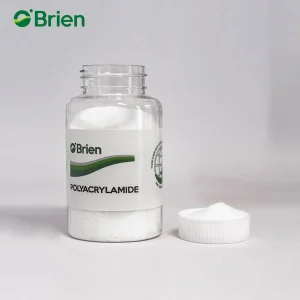
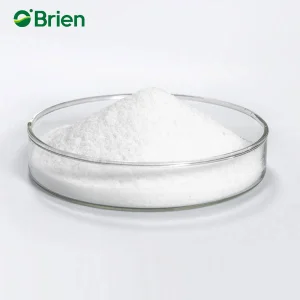
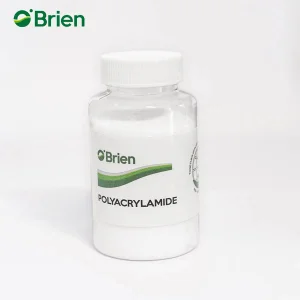
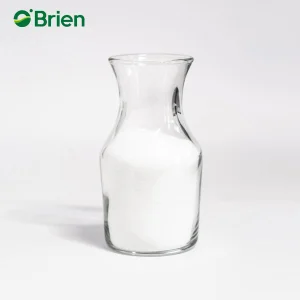
A global leader in high-molecular weight synthetic resin polymers, bio-catalyzed acrylamide monomer synthesis, and specialized environmental chemicals.
Established in 2011 within the Free Trade Zone of Qingdao, China, Qingdao Oubo Chemical Co., Ltd. (operating globally under the respected brand O'brien) has evolved into one of the premier chemical synthesis facilities dedicated to Polyacrylamide (PAM) research, manufacturing, and application development. Over more than a decade of technical refinement, Oubo Chemical has achieved a consistent annual business growth rate exceeding 10%, breaking through an annual production capacity threshold of 50,000 Metric Tons in 2018.
Our commitment to rigorous Quality Control (QC) frameworks is backed by full ISO9001:2008 certification. Unlike conventional chemical manufacturers relying strictly on thermal chemical synthesis, Oubo Chemical utilizes patented biological enzyme methods to produce ultra-pure acrylamide monomers. This technological edge drastically reduces toxic residual monomer content (acrylamide residual < 0.05%), increases polymer molecular weight chain integrity, and minimizes environmental footprint during both production and end-use applications.
Understanding the molecular weight distribution, degree of hydrolysis, and electrostatic bridging mechanisms of Anionic Polyacrylamide flocculants.
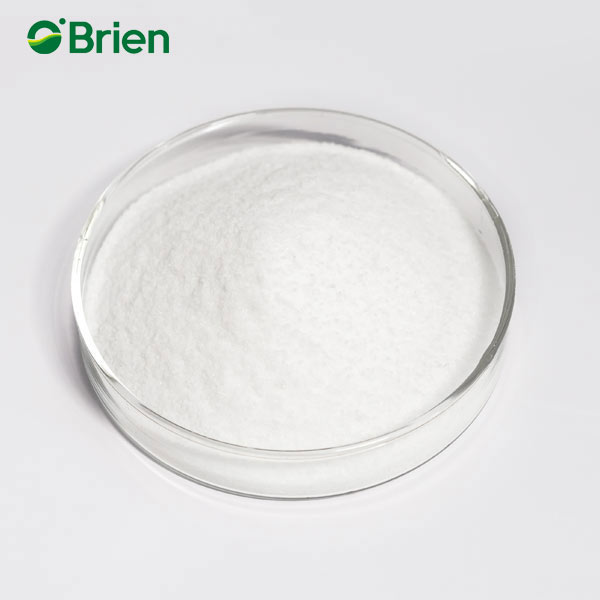
Polyacrylamide (PAM) is a linear, water-soluble synthetic polymer formed by the polymerization of acrylamide monomers ($CH_2=CH-CONH_2$). When functionalized with anionic charge density, it forms Anionic Polyacrylamide (APAM)—a copolymer of acrylamide and sodium acrylate or hydrolyzed acrylamide units containing carboxylate groups ($-\text{COO}^-$). These carboxyl groups impart a net negative electrostatic charge along the expanded polymer backbone in aqueous solution.
Ranging from 6 Million to 25+ Million Daltons. Ultra-high MW polymers feature exceptionally long macromolecular chains essential for bridging solid particles across broad distances in low-shear suspension systems.
Varying from 5% to 80% mole fraction. Charge density dictates the electrostatic repulsion along the polymer chain, governing chain extension, hydrodynamic volume, and charge neutralization capabilities with positively charged minerals.
Synthesized via advanced bio-catalyzed polymerization, ensuring uniform active carboxyl group distribution, exceptional thermal endurance (up to 90°C), and high tolerance to shear degradation in pipeline transport.
The operational efficiency of Anionic PAM flocculants relies on two dominant physical-chemical phenomena:
| Grade / Product Code | Molecular Weight (Million) | Anionic Hydrolysis (%) | Solid Content (%) | Dissolution Time (min) | Primary Application Field |
|---|---|---|---|---|---|
| Oubo APAM-UltraHigh | 22 - 25 Million | 20% - 30% | ≥ 88% | ≤ 50 mins | Enhanced Oil Recovery (EOR), Coal Tailings Dewatering |
| Oubo APAM-HighMW | 16 - 20 Million | 25% - 35% | ≥ 88% | ≤ 45 mins | Municipal Sewage Settlement, Sugar Clarification |
| Oubo APAM-MedMW | 10 - 15 Million | 15% - 25% | ≥ 88% | ≤ 40 mins | Paper Making Retention Aid, Industrial Effluents |
| Oubo APAM-LowCharge | 8 - 12 Million | 5% - 12% | ≥ 88% | ≤ 35 mins | Acidic Industrial Wastewater, Red Mud Settling |
Tailored polyacrylamide formulations designed to tackle high-solids, high-turbidity, and extreme-pH industrial process streams globally.
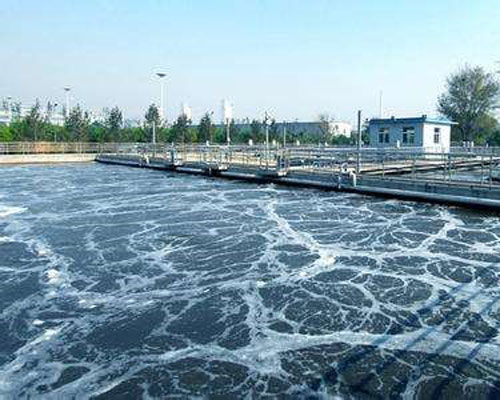
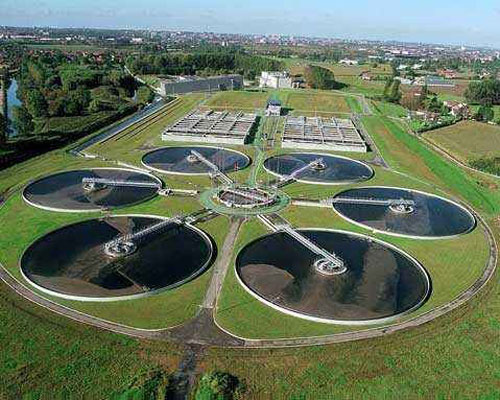
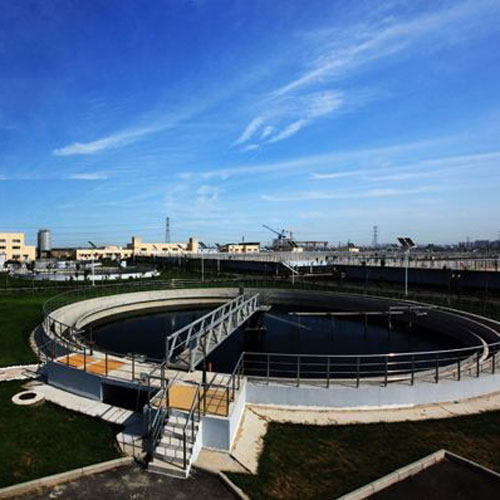
APAM acts as an indispensable primary flocculant and sedimentation aid in solid-liquid separation processes. It accelerates clarification in primary clarifiers and works synergistically with inorganic coagulants (PAC, PFS, Alum) to settle heavy metals, suspended solids (TSS), and organic particulates. It drastically reduces effluent chemical oxygen demand (COD) and biochemical oxygen demand (BOD) across leather processing, electronics manufacturing, citric acid, and pharmaceutical industries.
In tertiary oil recovery, high molecular weight APAM is injected as a mobility control agent to increase the viscosity of injected water, improving sweep efficiency across subterranean oil reservoirs. Additionally, APAM serves as a critical additive in water-based drilling fluids for fluid loss reduction, shale inhibition, wellbore stabilization, bit lubrication, and carrying drill cuttings to the surface under high salinities.


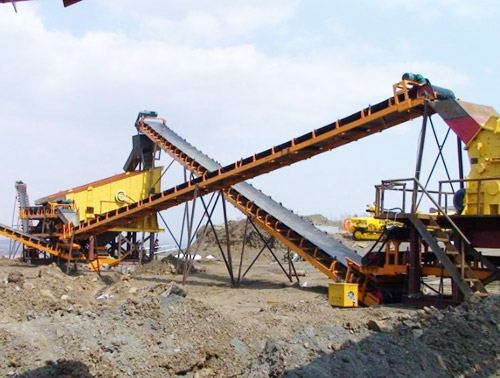
Mining operations require large volumes of water for mineral separation. Oubo APAM speeds up the settling of mineral slurry tailings in thickeners and sedimentation ponds. It allows rapid water recycling in coal washing operations, aluminum red mud clarification (Bayer process), gold cyanidation leaching, copper solvent extraction, and iron ore processing, ensuring compliance with strict zero-liquid-discharge (ZLD) environmental mandates.


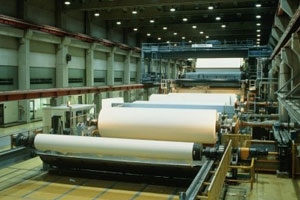
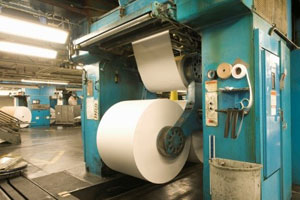
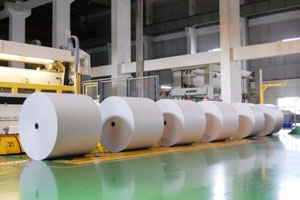
In paper chemistry, Anionic PAM plays a multi-functional role: as a dry/wet strength agent (forming covalent amide-hydroxyl hydrogen bonds with cellulosic fibers), retention agent (minimizing fine fiber and calcium carbonate filler loss), filter aid, and anionic trash catcher. It improves sheet formation uniformity, enhances physical paper bursting strength, and reduces total raw material consumption.
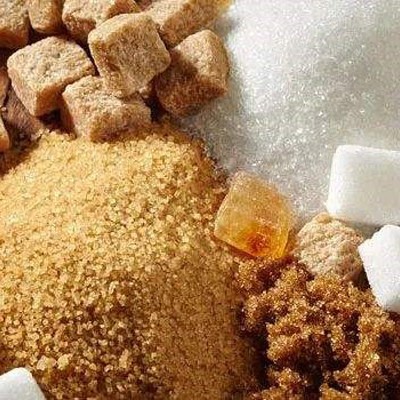
Specifically purified, food-grade APAM polymers are applied in the clarification and flotation stages of sugarcane juice and sugar beet syrup processing. By flocculating organic colloidal impurities, insolubles, and micro-particulates without altering juice pH or chemical composition, our polymers increase sugar recovery yields and operational clarity.
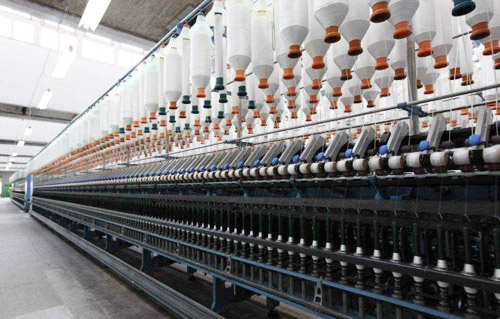
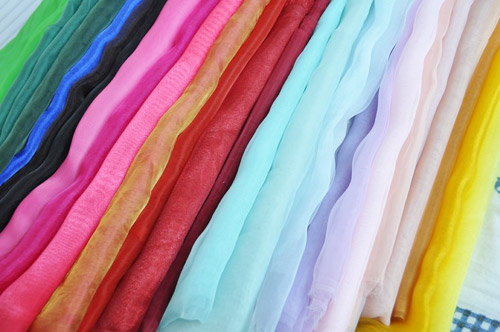
In textile finishing, PAM polymers act as efficient textile sizing agents, fabric softeners, and warp sizing protectants. In wastewater treatment, APAM effectively breaks dye emulsions, removes color complexes, and precipitates hydrophobic dye particles from complex finishing effluents.

Uncompromising quality, continuous biological technology innovation, and end-to-end technical engineering support.
Qingdao OUBO Chemical Co., Ltd. is a leading global polyacrylamide producer utilizing patented bio-enzyme synthesis routes. We re-invest €2 Million+ into technical R&D annually to maintain core manufacturing advantages.
Global supply chain security backed by strategic raw material agreements with SINOPEC and Eni. Fully automated lines certified under ISO9001, featuring 3-stage laboratory testing per batch.
With over a decade of chemical specialization, our dedicated technical engineers support pre-sales sample testing, dosage optimization, laboratory Jar-Testing, and on-site plant trial execution.
Our expert chemical services span customized polymer tailoring, charge density matching, and after-sales system troubleshooting to maximize operational cost efficiency for your plant.
Designed for sludge dewatering (belt filter, centrifuge, screw press) in organic municipal and industrial wastewater.
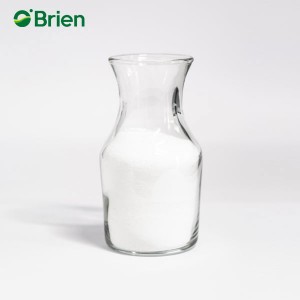
High molecular weight polymer ideal for high-turbidity inorganic wastewater, mineral tailings, and EOR application.
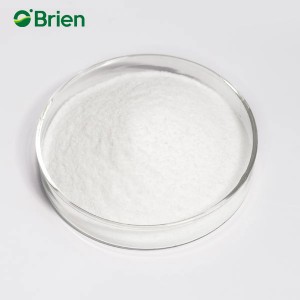
Non-charged water-soluble polymer with strong hydrogen bonding capability for acidic media sedimentation.
Flexible, moisture-proof, and export-compliant packaging options to preserve chemical stability across ocean transit.
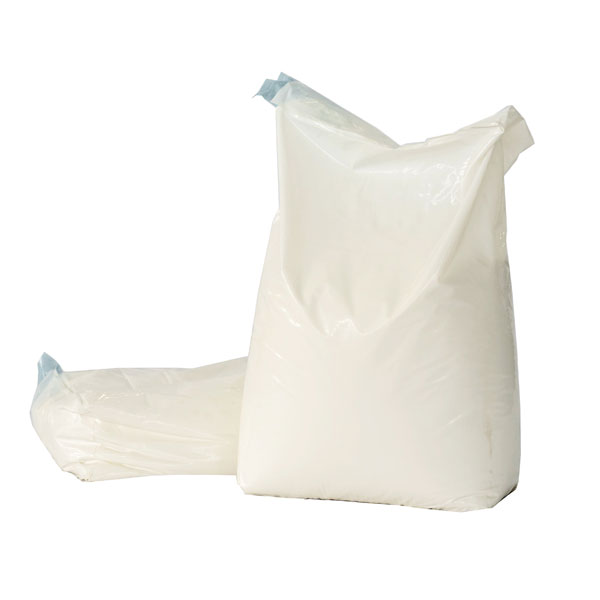
25kg Kraft paper or PE inner-lined moisture-proof bags for neutral distributor re-branding.
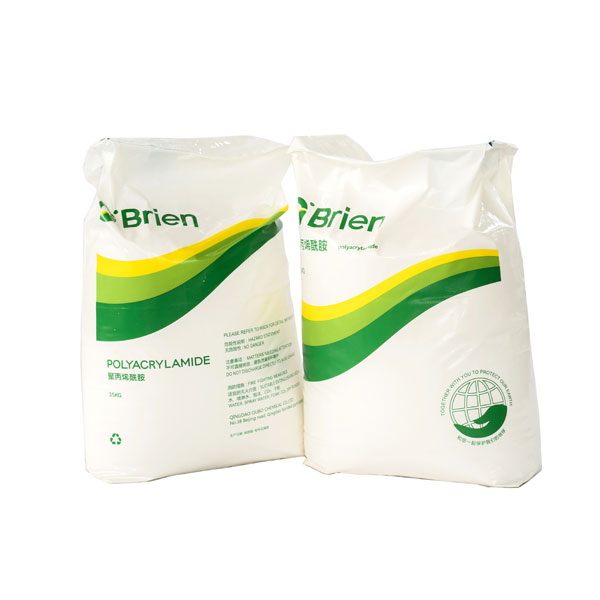
High-strength 3-in-1 composite bags featuring official O'brien compliance markings and lot numbers.
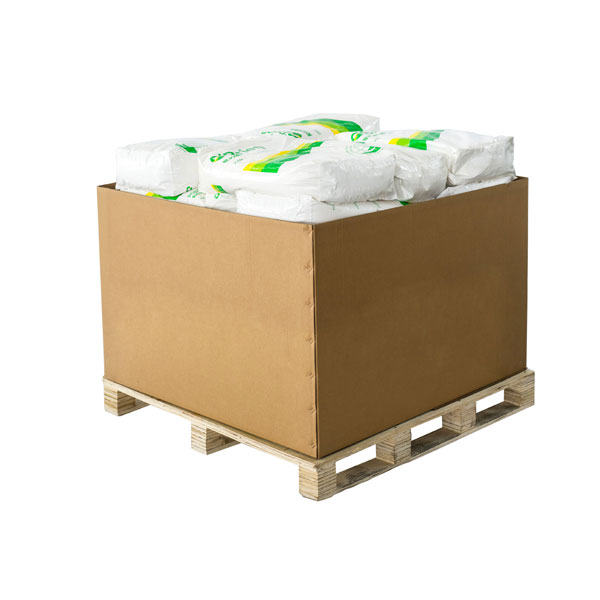
Tailored multilingual safety printing, customer branding, and batch weight configurations upon request.
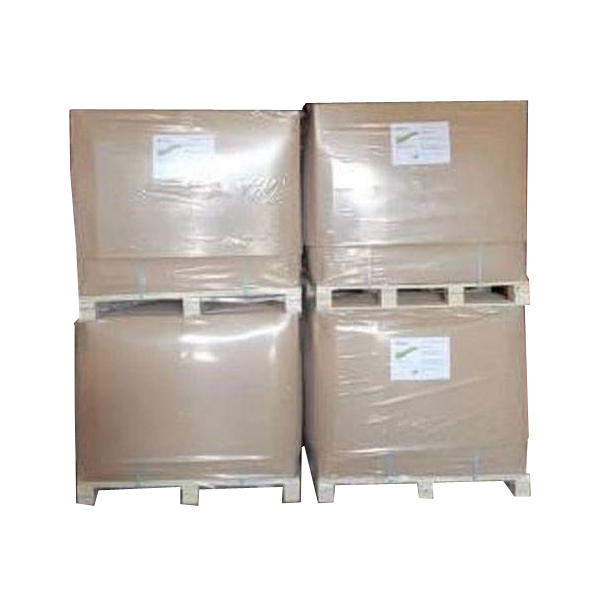
Fumigation-free pallets wrapped in protective thermal shrink-film, plus 750kg–1000kg Big Bags.
Advancing polymer chemistry toward zero-carbon footprint, micro-encapsulated active dosing, and hypersaline-resilient flocculation systems.
Engineering comb-shaped & hydrophobic modified acrylamide copolymers capable of preserving solution viscosity and flocculation capacity under extreme subterranean conditions (temperature > 120°C, salinity > 200,000 ppm TDS).
Integrating real-time optical turbidity sensors and zeta-potential streaming detectors with automated high-speed PAM dispersion units to optimize polymer dosage dynamically, reducing chemical consumption by up to 25%.
Scaling up 100% bio-sourced monomer synthesis platforms to produce zero-toxic monomer acrylamide polymers (AMD monomer < 10 ppm), expanding safety thresholds in direct potable water treatment and sensitive agricultural applications.
Browse our additional specialized polyacrylamide flocculant and coagulant grades manufactured under strict quality standards.
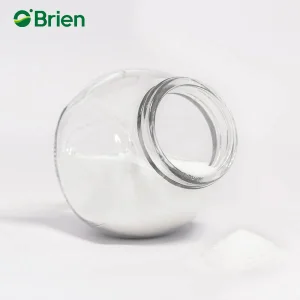
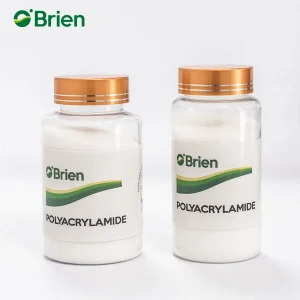
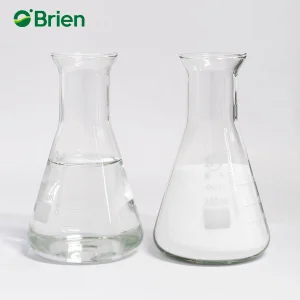
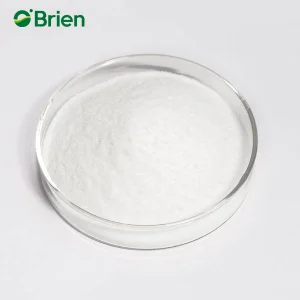
Expert insights on polyacrylamide selection, dissolution procedures, charge density calibration, and operational troubleshooting.
The core difference lies in the ionic charge of the polymer backbone, which determines its chemical affinity for specific suspended solids:
Proper dissolution is vital to avoid agglomerates ("fish-eyes") and maximize polymer efficiency:
Selection depends on your waste stream parameters. Higher molecular weight (18M - 25M Daltons) provides stronger bridging for fast-settling gravity clarifiers and mineral thickening. Charge density (10% to 50%) is selected based on the surface charge (zeta potential) of your suspended solids. Oubo Chemical provides comprehensive Jar-Testing service: send your wastewater sample to our lab, and our engineers will identify the exact optimal polymer grade and dosage curve.
High molecular weight Polyacrylamide polymer itself is non-toxic and non-bioaccumulative due to its large size, which prevents cellular membrane penetration. Environmental safety concerns focus entirely on unreacted monomeric acrylamide (AMD). Oubo Chemical utilizes patented bio-enzymatic synthesis technology to keep residual acrylamide monomer levels strictly below 0.05% (500 ppm), easily fulfilling drinking water treatment safety standard NSF/ANSI 60 and EU REACH regulations.
Located in the Free Trade Zone of Qingdao, Oubo Chemical enjoys direct access to one of Asia's largest deep-water container ports. Standard minimum order quantity (MOQ) is 1 Metric Ton (40 bags x 25kg). Production lead times for standard stock products range from 3 to 7 business days, with custom OEM packaging orders delivered in 10 to 14 days. We support FOB, CFR, CIF, DDP, and DAP terms globally.
 Oubo Chemical