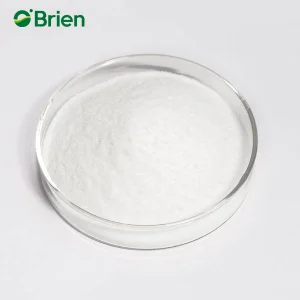
Explore our premium polymer inventory manufactured via patented bio-catalytic synthesis under strict ISO9001:2008 quality control protocols.
Deep-dive chemical analysis into zwitterionic molecular architectures, synthesis mechanisms, and performance metrics across hyper-complex liquid-solid separation environments.
Amphoteric Polyacrylamide (ACPAM) represents the pinnacle of modern water-soluble polymer engineering. Unlike traditional single-charge polymers—such as purely Anionic Polyacrylamide (APAM) or Cationic Polyacrylamide (CPAM)—Amphoteric PAM incorporates both cationic and anionic functional groups directly onto a single polyacrylamide backbone. Synthesized via controlled free-radical copolymerization of acrylamide (AM) with cationic monomers (such as Dimethyl diallyl ammonium chloride [DADMAC], DAC, or DMC) and anionic monomers (such as Acrylic Acid [AA] or 2-Acrylamido-2-methylpropanesulfonic acid [AMPS]), ACPAM creates a zwitterionic macromolecular network.
Key Technical Paradigm: The inclusion of dual-polarity sites allows ACPAM to adjust its net surface charge dynamically based on the substrate's pH and ionic strength. In acidic media, the amine or quaternary ammonium groups protonate to exert strong cationicity; in alkaline environments, the carboxylate or sulfonate groups ionize to display anionic characteristics. At the Isoelectric Point (IEP), the intramolecular attraction creates self-assembling anti-polyelectrolyte behaviors that exhibit superior shear degradation resistance and salt-tolerance compared to standard linear polymers.
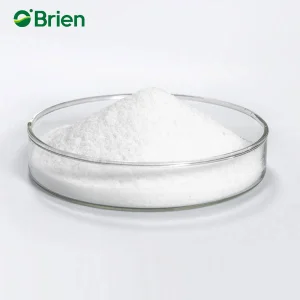
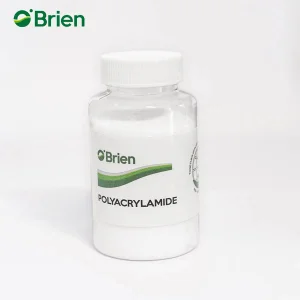
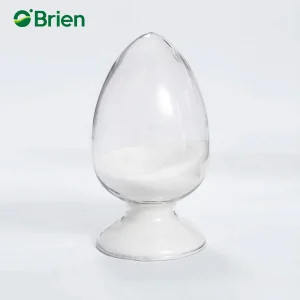
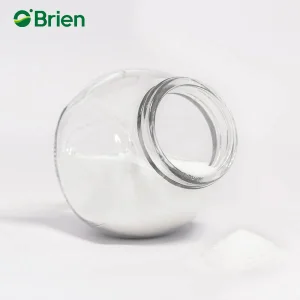
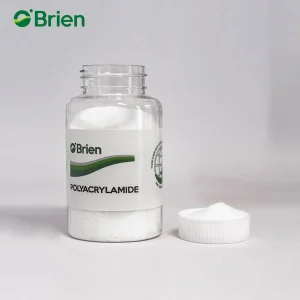
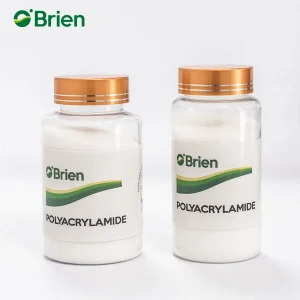
Polyacrylamide (PAM) is a synthetic resin prepared by polymerizing acrylamide. It is a white, solid, water-soluble polymer of acrylamide, mostly used as a flocculant, coagulant, and filtration aid in a whole range of applications that are determined by its physical form and its ionic type (nonionic, anionic, cationic, and Mannich). It is utilized in secondary oil recovery, as a thickening agent, a flocculant, and an absorbent. Moreover, polyacrylamide is also employed to separate macromolecules of different molecular weights.
China's leading manufacturing facilities, spearheaded by state-of-the-art complexes like Oubo Chemical Co., Ltd located in the Free Trade Zone of Qingdao, leverage advanced bio-catalytic monomer extraction methods to produce high-purity ACPAM powders and emulsions. Key technical indicators for industrial-grade Amphoteric Polyacrylamide include:
Ranging from 6 Million to 16 Million Daltons, tailored specifically to target bridging flocculation in mineral slurries or micro-floc formation in industrial sludge centrifuges.
Balanced charge ratios ranging from 5% to 40% Cationic Degree alongside 5% to 30% Anionic Degree, providing customized charge neutralization kinetics.
Strictly controlled Acrylamide Residual (AM) ≤ 0.05% (500 ppm), fulfilling global environmental compliance for municipal water discharge and indirect food-contact papermaking.
How Amphoteric Polyacrylamide solves intricate process water problems where traditional single-charge polymers fail.
Industrial sludge from petrochemical plants, pharmaceutical refineries, and municipal wastewater facilities often contains variable organic and inorganic colloidal suspensions. Standard CPAM often fails when municipal sludge mixes with oily industrial streams.
The ACPAM Advantage: Amphoteric polymers simultaneously perform charge neutralization on negatively charged organic particulates via cationic sites, while its anionic sites form strong hydrogen bonds and hydrophobic complexes with metal hydroxides. This dual mechanism creates dense, rigid flocs that withstand high mechanical shear in belt filter presses, screw presses, and high-speed decanter centrifuges, reducing cake moisture content by up to 15-25%.
In mature oil fields and high-salinity offshore reservoirs, traditional APAM suffers from severe thermal degradation and salt-out phenomena when encountering divalent cations like $Ca^{2+}$ and $Mg^{2+}$.
The ACPAM Advantage: The zwitterionic composition exhibits a unique "anti-polyelectrolyte effect"—the polymer chain expands rather than collapses in high-salinity brine environments. ACPAM acts as an exceptional fluid loss control additive, shale inhibitor, and mobility control polymer in tertiary oil recovery (EOR), maintaining viscosity at temperatures exceeding 90°C and salinities over 100,000 ppm TDS.
Modern paper mills utilize high amounts of recycled fibers and closed-loop water circuits, leading to massive accumulations of "anionic trash" (dissolved wood extractives, starch, lignosulfonates) that neutralize conventional cationic retention aids.
The ACPAM Advantage: ACPAM functions as a multi-action wet-end agent, serving as a dual retention aid, drainage promoter, and dry-strength booster. Its cationic groups scavenge anionic trash while its anionic groups react with fiber hydroxyls via hydrogen bonding, drastically improving short fiber retention, machine speed, and sheet formation without compromising paper softness.
In alumina red mud settling, coal washing, gold-silver cyanidation, and copper slurry thickening, mineral pulps often present extreme pH swings (from pH 2 in acid mine drainage to pH 12 in Bayer process liquor).
The ACPAM Advantage: Due to its wide pH stability window, ACPAM accelerates solid-liquid clarification and thickener underflow compaction where traditional nonionic or anionic polymers leave fine particles suspended, yielding crystal-clear overflow water for immediate recycling.
Strategic insights into chemical procurement, international regulatory standards, and supply chain trends driving the growth of China's PAM manufacturing footprint.
APAC represents the world's largest consumer and manufacturing center for Polyacrylamide. Rapid industrialization, municipal wastewater expansion under stringent eco-directives, and booming pulp and paper sectors in China, India, and Southeast Asia drive massive demand for high-performance ACPAM formulations. China manufacturers provide unequaled economies of scale and raw material integration.
In North America, hydraulic fracturing, shale gas extraction (Permian, Bakken, Marcellus formations), and oil sands tailing management in Canada require high-stability friction reducers and flocculants. ACPAM adoption is surging due to its resistance to high-salinity produced water, enabling operators to recycle up to 90% of flowback fluids.
European markets prioritize low monomer residue (≤ 250 ppm) and zero eco-toxicity under strict REACH mandates. Meanwhile, the Middle East focuses heavily on seawater desalination pre-treatment, EOR projects, and agricultural soil conditioning, favoring Chinese export leaders capable of providing custom-tailored polymer batches.
Engineering innovations shaping the next decade of water treatment polymers and smart macromolecular design.
Transitioning from petrochemical acrylamide to enzymatic bio-acrylamide synthesis using microbial biocatalysts (Rhodococcus rhodochrous). This reduces carbon intensity by 40% during monomer production while guaranteeing zero acrylic acid by-products, resulting in purer polymer chains with superior sequence distribution.
Integrating artificial intelligence into polymerization control loops to regulate microemulsion polymerization parameters in real-time. This guarantees batch-to-batch polydispersity indices (PDI) below 1.2, offering unprecedented accuracy for customized industrial client requirements.
A decadal legacy of chemical engineering excellence, global supply chain reliability, and uncompromising quality assurance.
Oubo Chemical Co., Ltd was established in 2011, situated within the strategic shipping and logistics hub of the Free Trade Zone of Qingdao, China. Over the past decade, Oubo has maintained a consistent annual business growth rate of over 10%, scaling its manufacturing capacity to over 50,000 Metric Tons annually in 2018.
The company operates under a strict, comprehensive Quality Control System certified by ISO9001:2008. Oubo is deeply committed to environmental stewardship, optimizing energy consumption, and reducing emissions during polymer production and downstream applications.
Leading global polyacrylamide manufacturer utilizing patented bio-methods for acrylamide synthesis. We invest over €2 million annually in technical R&D and chemical process innovation.
Raw materials sourced directly from world-class petrochemical leaders like SINOPEC and Eni. Fully automated production lines ensure batch consistency and zero human error.
Every product batch undergoes 3 rigorous quality checks before dispatch—analyzing active content, molecular weight, charge density, and residual monomer levels by our internal QC team.
Our dedicated chemical application engineers join pre-sales jar testing, sample trial optimization, onsite dosage calibration, and post-sales technical assistance worldwide.
Tailored polyacrylamide grades formulated for specialized industrial, municipal, and agricultural operations.
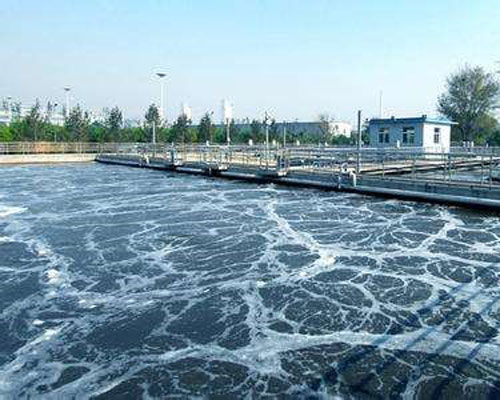
Essential flocculant for municipal sewage, leather, paper making, citric acid, and pharmaceutical wastewater clarification and sludge dewatering.
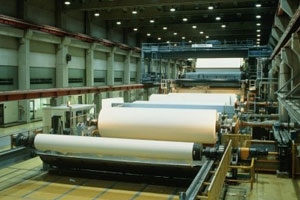
Serves as dry strength agent, retention aid, filter aid, and anionic trash catcher to enhance paper sheet physical properties and reduce fiber loss.
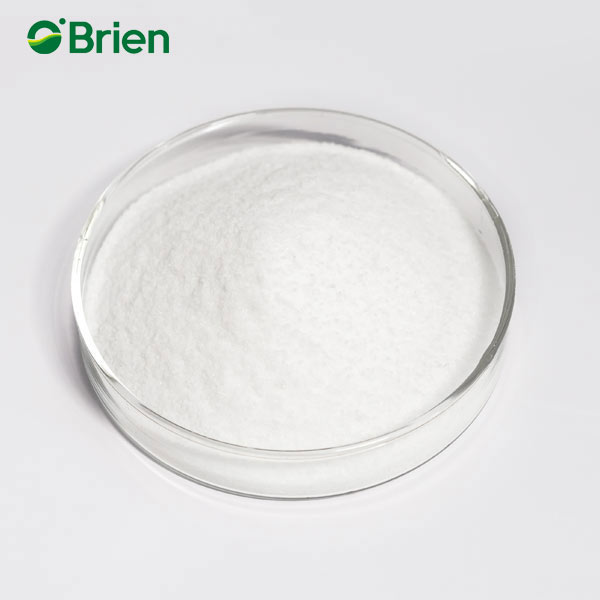
Widely applied in oil exploration, profile control, plugging agents, drilling fluid loss additives, fracturing fluids, and oil sands flocculation.

Accelerates solid-liquid separation in coal washing, tailings thickener settlement, and flotation recovery of gold, silver, iron, copper, and nickel.
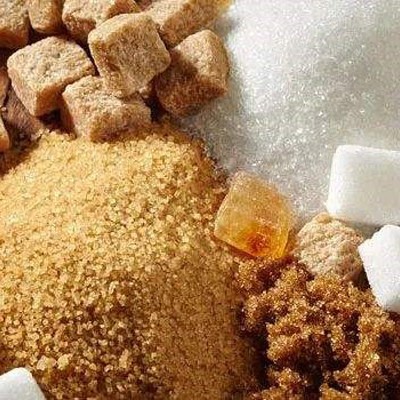
Specially formulated food-grade polymers utilized for rapid juice clarification and syrup flotation processes in cane and beet sugar production.
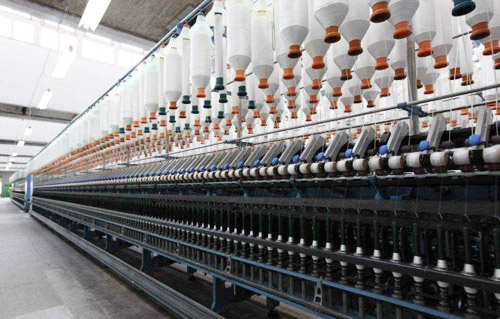
Used as high-performance textile sizing agent, finishing agent, fabric processing auxiliary, and targeted color removal flocculant.
Robust moisture-proof packaging options tailored for long-distance maritime transport and bulk industrial handling.
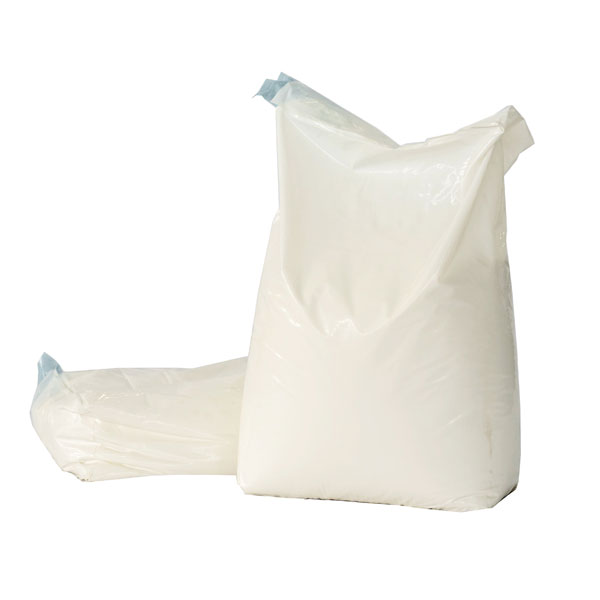
25kg kraft paper bag with inner PE liner for OEM distribution.
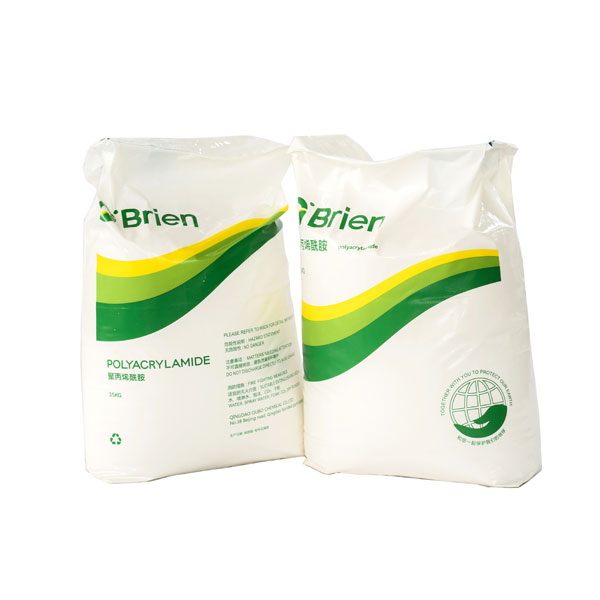
25kg standard brand printed multi-wall moisture-proof bag.
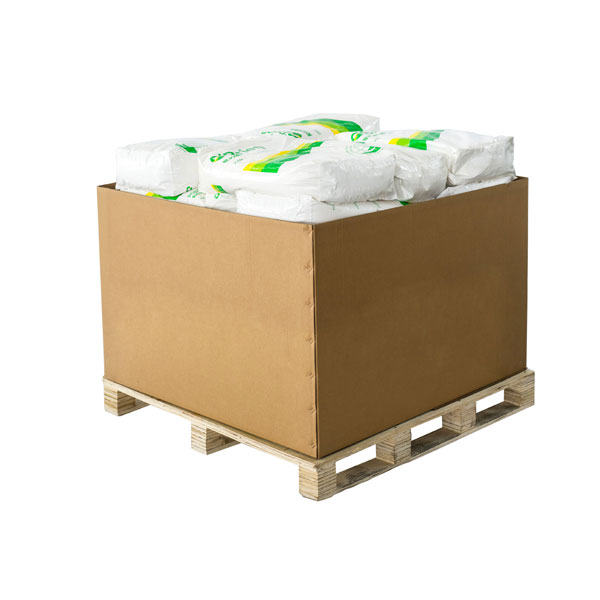
750kg - 1000kg super sacks designed for automated bulk dissolvers.
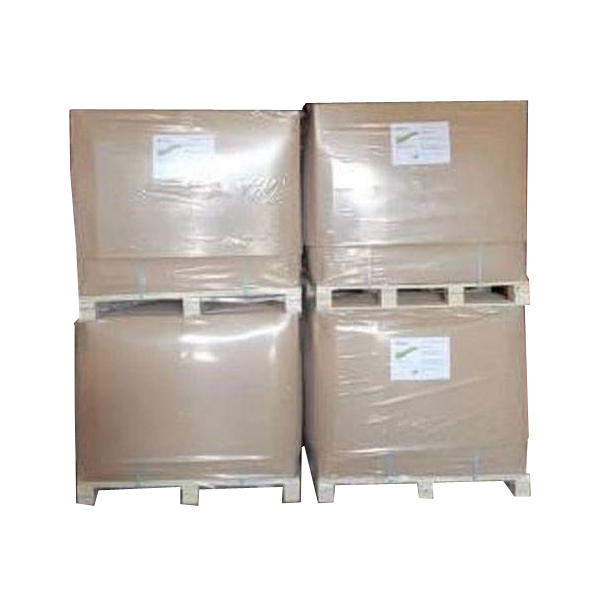
ISPM-15 compliant heat-treated pallets with protective shrink wrap.
Ensuring seamless integration with regional environmental laws and local industrial standards worldwide.
All polymer products supplied by Oubo Chemical comply with international environmental frameworks, including EU REACH registration, Safety Data Sheet (SDS) standards according to GHS guidelines, and ISO9001:2008 audit protocols.
We dispatch chemical application technicians directly to client facilities across Southeast Asia, the Middle East, and Latin America to conduct Jar Tests, evaluate sludge flocs, and optimize dosage parameters for maximum cost efficiency.
By leveraging stored inventory in major port hubs and maintaining strategic logistics alliances, Oubo guarantees rapid shipment lead times and emergency re-order delivery within 7 to 14 days globally.
Expert engineering answers to common procurement, chemical preparation, and application inquiries.
Browse our complete catalog of specialized nonionic, anionic, and cationic polyacrylamide variants.
 Oubo Chemical