High-purity industrial flocculants engineered for municipal wastewater, EOR oilfield operations, and advanced papermaking retention.
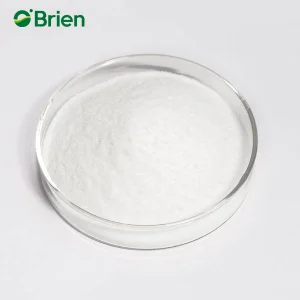
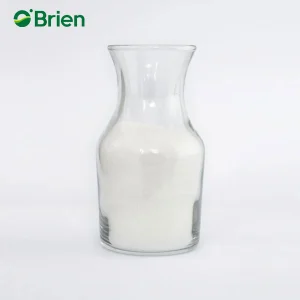
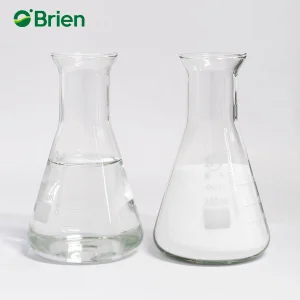
An in-depth analysis of dual-charge polyampholytes, global industrial adoption, and chemical operational superiority.
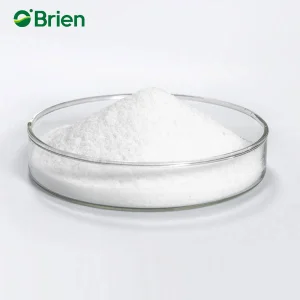
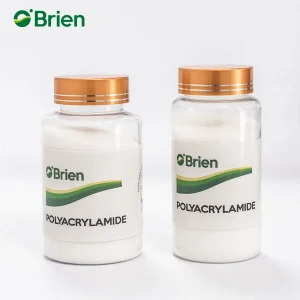
Amphoteric Ion Polyacrylamide (ACPAM), commonly known as polyampholyte, represents the pinnacle of modern water-soluble polymer chemistry. Synthesized by co-polymerizing acrylamide monomers with both cationic (e.g., DAC or DMC) and anionic (e.g., Acrylic Acid) functional groups onto a single macromolecular chain, ACPAM possesses a unique dual-charge capability.
Unlike conventional single-charge polymers—such as purely Cationic Polyacrylamide (CPAM) or Anionic Polyacrylamide (APAM)—amphoteric PAM exhibits robust charge adaptability. It dynamically responds to the pH variations and ionic strength of complex wastewater fluids, overcoming the severe limitations of charge reversal and steric hindrance commonly found in severe industrial environments.
The global industrial landscape is experiencing an unprecedented demand shift toward multi-functional chemical additives. Driven by stringent environmental regulations across Europe and North America, alongside rapid industrial expansion in the Asia-Pacific region, China has emerged as the global manufacturing hub for advanced polyacrylamide derivatives.
Amphoteric PAM is rapidly replacing traditional dual-dosing regimes (where APAM and CPAM are added sequentially) due to its operational simplicity, lower dosage requirement, and superior performance in treating refractory organic effluents, complex municipal sludges, and ultra-deep oilwell drilling fluids.
Understanding the functional boundaries of PAM variants is crucial for process engineers and industrial procurement specialists.
| Polymer Type | Charge Characteristics | Molecular Weight (Million) | Primary Mechanism | Optimum pH Range | Key Target Applications |
|---|---|---|---|---|---|
| Amphoteric (ACPAM) | Dual Positive & Negative Sites | 6 - 15 Million | Synergistic Flocculation & Charge Rebalancing | 1.0 - 14.0 (Wide Spectrum) | Refractory Sludge, High-Salinity EOR, Papermaking White Water |
| Cationic (CPAM) | Positive Charge (Quaternary Ammonium) | 8 - 12 Million | Charge Neutralization of Negative Suspensions | 3.0 - 10.0 | Municipal Dewatering, Textile Dyeing Effluent, Biological Sludge |
| Anionic (APAM) | Negative Charge (Carboxylate Groups) | 8 - 25 Million | Long-Chain Bridging & Particle Adsorption | 7.0 - 14.0 (Neutral/Alkaline) | Mining Tailings, Mineral Processing, Sand Washing, Sugar Refining |
| Nonionic (NPAM) | Neutral / Hydrophilic Amide Groups | 3 - 10 Million | Hydrogen Bonding & Polymer Bridging | 1.0 - 8.0 (Acidic Media) | Acidic Industrial Effluents, Soil Stabilization, Plating Wastewater |
Qingdao Oubo Chemical Co., Ltd — A World-Leading Polyacrylamide Manufacturer Located in the Qingdao Free Trade Zone.
Oubo Chemical Co., Ltd was established in 2011, situated within the strategic shipping hub of the Free Trade Zone of Qingdao, China. Over the past decade, Oubo has maintained a solid continuous annual growth rate of over 10%, driven by unyielding commitment to product quality, innovative manufacturing technology, and environmental stewardship during polymer synthesis.
In 2018, Oubo’s annual polyacrylamide manufacturing capacity broken through the milestone of 50,000 Metric Tons. The entire organizational quality management framework has been independently audited and certified under ISO9001:2008 standards. We proudly stand behind our product purity, batch consistency, and global logistics execution.
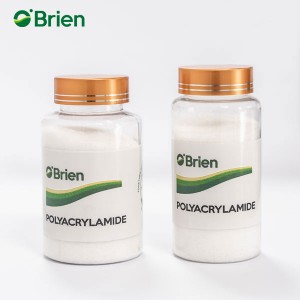
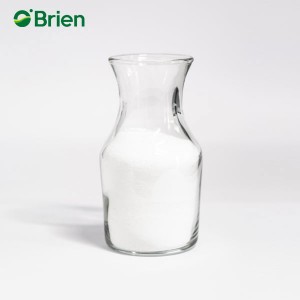
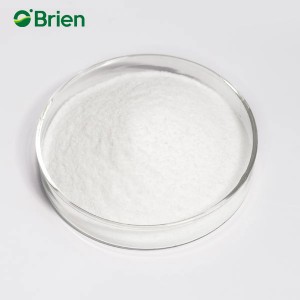
Qingdao OUBO Chemical Co,. Ltd is a leading global manufacturer of Polyacrylamide. We utilize biological synthesis methods to produce polyacrylamide, backed by filed patents and over €2 million in annual technical R&D investment.
Fully automated production lines sourcing raw materials globally from SINOPEC, Eni, and top chemical suppliers. Products adhere strictly to ISO9001, undergoing 3 rounds of laboratory testing per batch by our expert QC team.
Focused exclusively on Polyacrylamide manufacturing with superior quality and competitive direct-factory pricing. Our technical team supports pre-sales, sales, and post-sales polymer testing and optimization.
Our seasoned chemical engineers participate actively in customer sample evaluation, jar testing, on-site trial runs, and continuous process refining to guarantee optimal cost-performance ratios.
Advanced chemical engineering principles behind Amphoteric Ion Polyacrylamide functionality.
Traditional acrylamide synthesis relies on copper-catalyzed hydration, which leaves copper residues and acrylic acid impurities that truncate polymer chain length. Oubo utilizes a proprietary bio-enzyme conversion technique at low temperatures, yielding acrylamide monomers with 99.9% purity. This allows for hyper-high molecular weight chain propagation.
The ratio of cationic monomers (acrylamide ethyl trimethyl ammonium chloride) to anionic monomers (acrylic acid) determines the Isoelectric Point (IEP) of the amphoteric polymer. By controlling monomer charge ratios during radical polymerization, Oubo tailors ACPAM to remain soluble and active across extreme pH ranges (pH 1.0 to 14.0).
In high-salinity brine environments (e.g., offshore oil recovery or concentrated industrial brine), standard anionic polymers collapse due to charge shielding. Amphoteric PAM undergoes an "anti-polyelectrolyte effect" where chain conformation expands in saline solutions, maintaining solution viscosity and flocculation kinetics under extreme temperatures.
Tailored Polyacrylamide formulations engineered for complex industrial matrixes across global sectors.
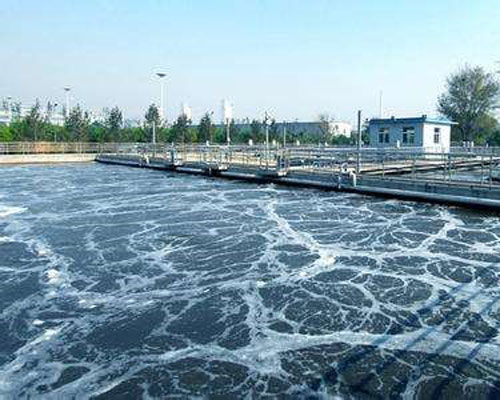
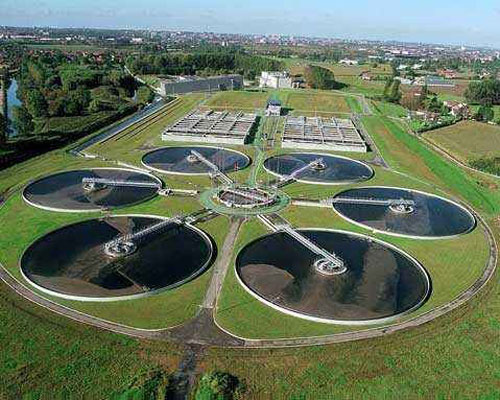
In industrial solid-liquid separation processes, Polyacrylamide acts as an indispensable primary flocculant and sludge dewatering aid. It accelerates sedimentation, clarifies turbid water bodies, concentrates sludge slurries, and dramatically improves cake dry solids during belt press, centrifuge, or filter press operations. Stringent global environmental mandates continuously drive higher performance criteria for water treatment polymers.
Municipal Sewage & Complex Industrial Effluents: For urban wastewater facilities and heavy industrial sectors—including leather processing, paper manufacturing, citric acid production, vegetable protein extraction, textile dyeing, pharmaceuticals, and incense manufacturing—Amphoteric PAM handles fluctuating organic loads where traditional cationic flocculants fail due to variable charge demands.
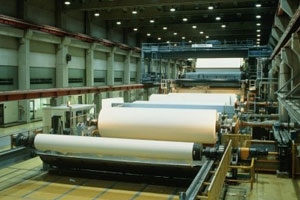
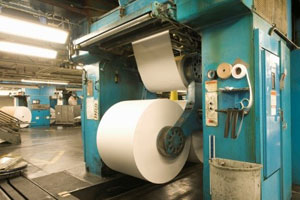
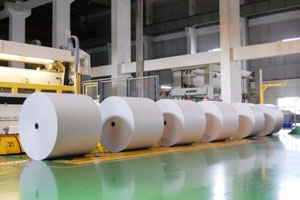
Within the wet-end chemical section of modern paper machines, Polyacrylamide derivatives perform multi-functional roles as retention aids, drainage accelerators, and structural strength enhancers. In closed-loop paper mill white water circuits, anionic trash accumulation can severly impair traditional additives. Amphoteric PAM serves as the ultimate resolution.
Significantly boosts short fiber and mineral filler retention rates, accelerates wire dewatering, and reduces raw fiber loss.
Neutralizes dissolved organic contaminants and anionic trash in recycled pulps, stabilizing wet-end charge equilibrium.
Fully ionizes across all pH ranges, forming covalent and ionic bonds with fiber hydroxyl groups to maximize burst and tensile strength.
Promotes uniform fiber distribution in light tissue or fine specialty paper, enhancing sheet smoothness and structural opacity.
In the petro-chemical sector, Polyacrylamide polymers are key enablers for tertiary oil recovery, well profile modification, water-plugging, drilling mud conditioning, and hydraulic fracturing fluids. They effectively control fluid loss, stabilize reactive shale formations, lubricate drill strings, cool bits, and carry drill cuttings efficiently to the surface.


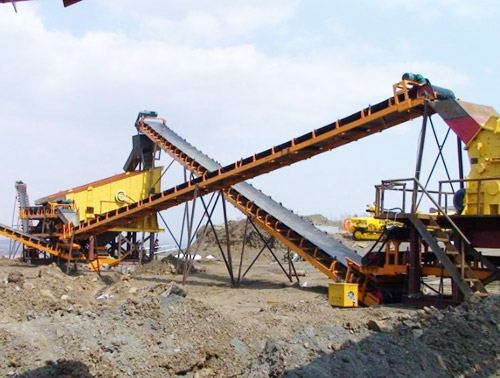
In the mining sector, high molecular weight polymers are utilized for mineral washing, thickening, tailing dewatering, and pipe sealing. Oubo provides a comprehensive spectrum of anionic, cationic, and non-ionic polymers matching specific mineral slurry characteristics.


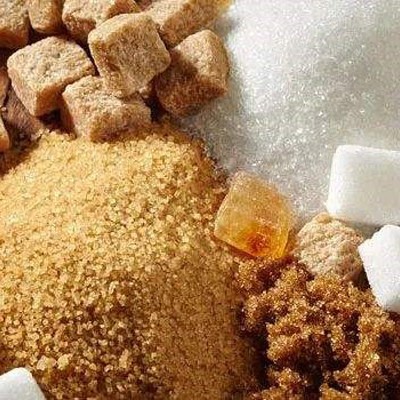
Polyacrylamide acts as an efficient juice clarifying and floatation agent during sugar cane and sugar beet processing, removing colloidal impurities and turbid coloring agents to yield high-purity sucrose liquor.
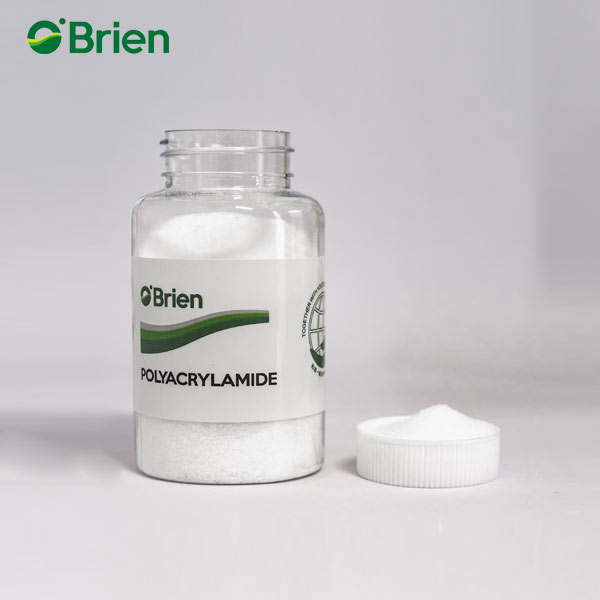
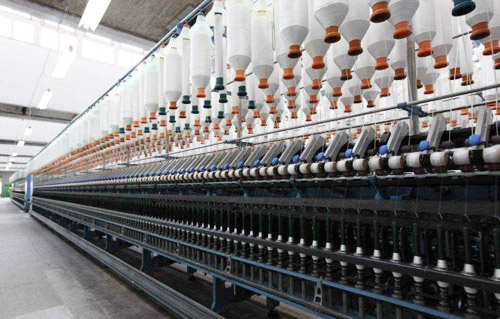
Used extensively as a high-efficiency textile sizing agent, fabric finishing chemical, and primary decoloring flocculant for toxic dye effluent treatment.

Standardized moisture-proof export packaging designed for seamless international transit and extended shelf storage.
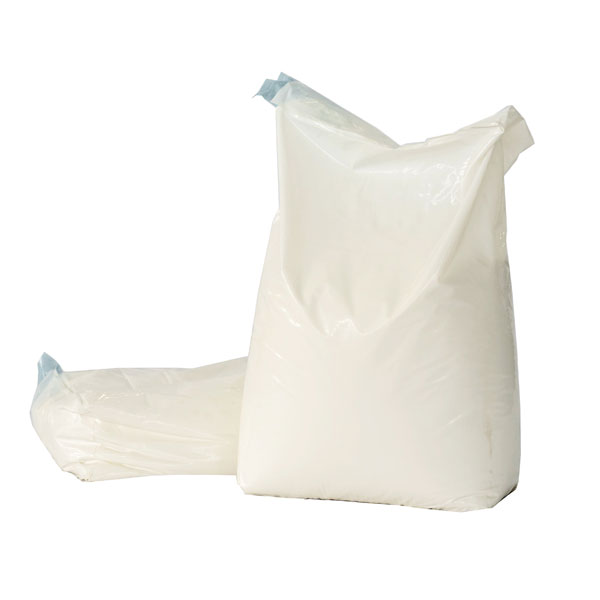
Neutral 25kg PE/PP woven bags tailored for contract distributors and OEM re-branders.
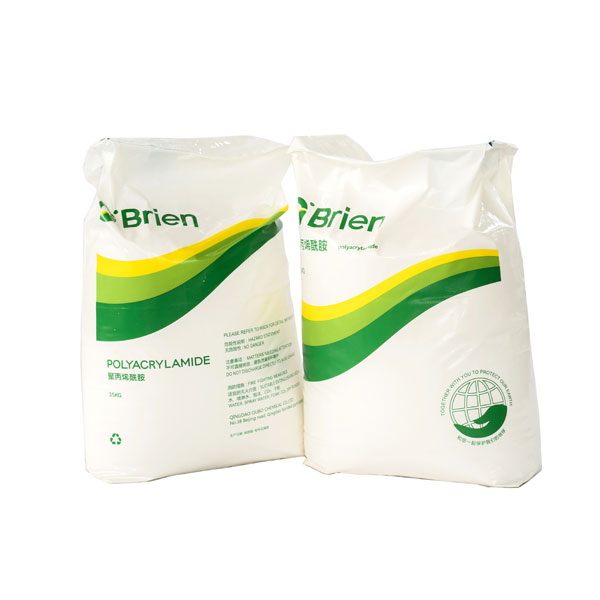
Standard Oubo multi-wall paper-plastic composite bag with inner moisture barrier PE liner.
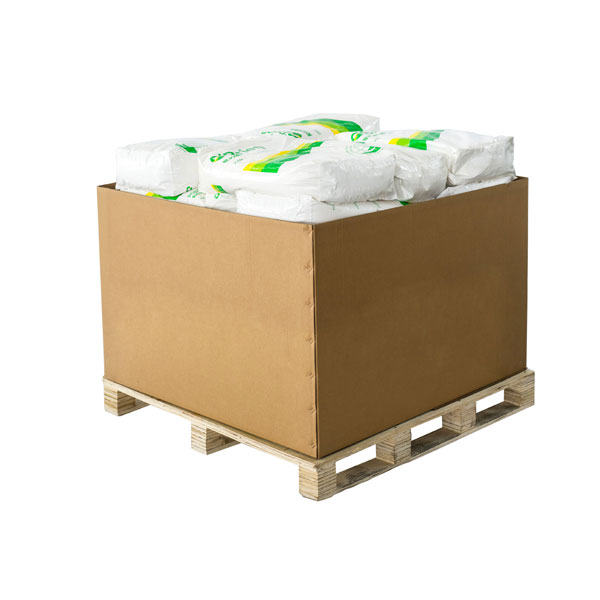
750kg - 1000kg heavy-duty bulk containers for continuous high-volume industrial feeding systems.
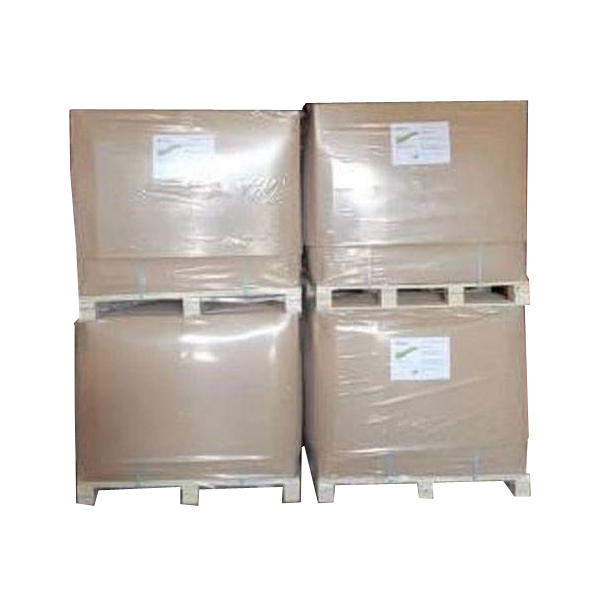
Palletized with shrink wrapping (1.0 - 1.2 Metric Tons per pallet) for secure sea container loading.
Expert insights on polymer selection, dissolution mechanics, and supply chain logistics.
Explore our full wholesale product directory for specialized municipal and industrial polymer requirements.
 Oubo Chemical