China Acrylamidehomopolymer Manufacturer & Factories

Global Industrial Whitepaper & Strategic Supply Guide for High-Purity Polyacrylamide (PAM) Polymers

Featured Acrylamide Homopolymer Solutions

Premium Grade Nonionic, Anionic, and Cationic PAM Formulations direct from Factory
China Nonionic Polyacrylamide Manufacturers

China Nonionic Polyacrylamide Manufacturers, Supplier

View Product Details
Nonionic PAM Thickener Oilfield Drilling Fluid

China Nonionic Polyacrylamide (PAM) Thickener for Oilfield Drilling Fluid Manufacturers, Suppliers

View Product Details
Anionic Polyacrylamide for Wastewater

Wholesale High Molecular Weight Anionic Polyacrylamide for Petrochemical & Metallurgical Wastewater Suppliers, Factories

View Product Details
Cationic Polyacrylamide Paper Making

China Cationic Polyacrylamide Retention & Drainage Aid for Paper Making Industry Supplier, Factories

View Product Details
Cationic Polyacrylamide Manufacturer

China Cationic polyacrylamide Manufacturer, Supplier

View Product Details
PAM Anionic Polyacrylamide Paper Strength

China PAM Anionic Polyacrylamide Dry & Wet Strength Agent for Paper Industry Manufacturers, Factories

View Product Details
Wholesale Anionic Polyacrylamide

Wholesale Anionic Polyacrylamide Manufacturers, Supplier

View Product Details
Cationic Polyacrylamide Powder Wastewater

Wholesale Cationic Polyacrylamide Powder for Municipal & Industrial Wastewater Treatment Supplier, Suppliers

View Product Details

Global Industrial Landscape of Acrylamide Homopolymer

Comprehensive Market Insight, Chemical Engineering Dynamics, and Macroeconomic Demand Trends

Acrylamide Homopolymer (CAS No. 9003-05-8), generically known as Polyacrylamide (PAM), represents one of the most commercially critical water-soluble synthetic polymers in modern industrial chemistry. Formed by the polymerization of monomeric acrylamide ($CH_2=CH-CONH_2$), this high-molecular-weight linear resin exhibits extraordinary physical properties: extreme water solubility, strong flocculating abilities, rheology modification, and high shear resistance. As the world faces tightening environmental regulations, accelerating urbanization, and escalating demand for enhanced resource recovery, Acrylamide Homopolymer has shifted from a specialty commodity to an indispensable strategic asset.

Across the globe, the total market demand for polyacrylamide polymers has surged past several billion dollars annually. The industrial consumption is predominantly segmented into four ionic configurations: Nonionic (NPAM), Anionic (APAM), Cationic (CPAM), and amphoteric/Mannich variants. Each configuration offers specialized charge densities and molecular weights ranging from 3 million up to 25 million Daltons, tailored to bridge suspended solids, optimize liquid-solid separation, and modulate fluid dynamics under severe high-temperature and high-salinity conditions.

Information Gain Insight: Modern industrial applications demand tailored molecular architecture. Chinese manufacturers lead global innovation through bio-catalytic synthesis (microbial enzyme conversion), replacing traditional chemical catalyst processes to eliminate toxic residual monomer contaminants (residual acrylamide < 0.05%), driving both efficiency and safety.

Municipal Water Treatment

Drives global demand via primary sedimentation acceleration, sludge dewatering, and clarification, ensuring compliance with stringent environmental standards.

🛢️

Enhanced Oil Recovery (EOR)

Serves as a vital mobility control agent in tertiary oil recovery and a key thickener/friction reducer in high-volume hydraulic fracturing fluids.

⛏️

Mining & Metallurgy

Facilitates rapid solid-liquid separation, tailings management, and pregnant liquor clarification in copper, gold, coal, and alumina extraction.

📄

Pulp & Paper Operations

Acts as an essential retention aid, drainage agent, and wet/dry strength amplifier, dramatically improving machine runnability and raw material retention.

Why Partner with Leading Chinese PAM Manufacturers

Scale Efficiency, Integrated Supply Chains, and Advanced Quality Control Infrastructures

China has solidified its position as the global epicentre for chemical synthesis and polymer engineering. Sourcing Acrylamide Homopolymer directly from top-tier Chinese manufacturers provides international buyers with unmatched structural cost advantages, robust supply reliability, and continuous technological advancement. China's integrated petrochemical hubs ensure seamless raw material availability—such as upstream acrylonitrile—bypassing global logistics chokepoints and ensuring stable pricing schedules.

About Qingdao Oubo Chemical Co., Ltd: Established in 2011 and strategically situated within the Qingdao Free Trade Zone, China, Oubo Chemical (O'brien) operates as a global authority in polymer manufacturing. Over the past decade, our business growth rate has maintained a steady 10% per year, achieving an annual polyacrylamide production capacity exceeding 50,000 Tons by 2018. Certified under ISO 9001:2008, our comprehensive Quality Control (QC) system guarantees that every product batch undergoes rigorous testing before shipment.

🔬

Bio-Synthesis Innovation

We utilize patented biological methods to synthesize acrylamide, reinvesting substantial capital annually into R&D for deep technical accumulation and purity optimization.

🌐

Global Raw Material Integration

Our resilient global supply chain sources key inputs from world-leading chemical suppliers like SINOPEC and Eni, powering fully automated, precision-controlled production lines.

🛡️

3-Stage QC Protocol

All products strictly adhere to ISO 9001 standards. Every production batch is rigorously analyzed 3 separate times by our professional QC team before release.

🤝

End-to-End Technical Support

Our dedicated engineering team collaborates directly across pre-sales, technical evaluation, laboratory bench-testing, and post-sales application tuning.

50,000+
Annual Capacity (Metric Tons)
10+
Years Industry Growth & Expertise
ISO 9001
Quality Management Certified
3-Stage
Pre-Shipment Quality Testing

In-Depth Product Chemistry & Localized Industrial Applications

Tailored Polyacrylamide Chemistry Engineered for Complex Solid-Liquid Separation Challenges

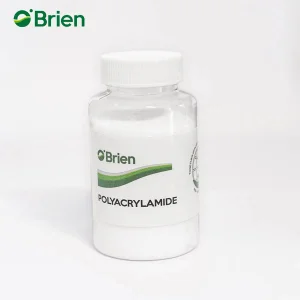
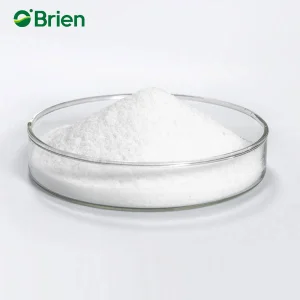
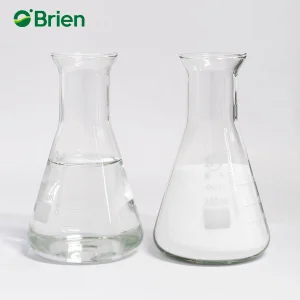
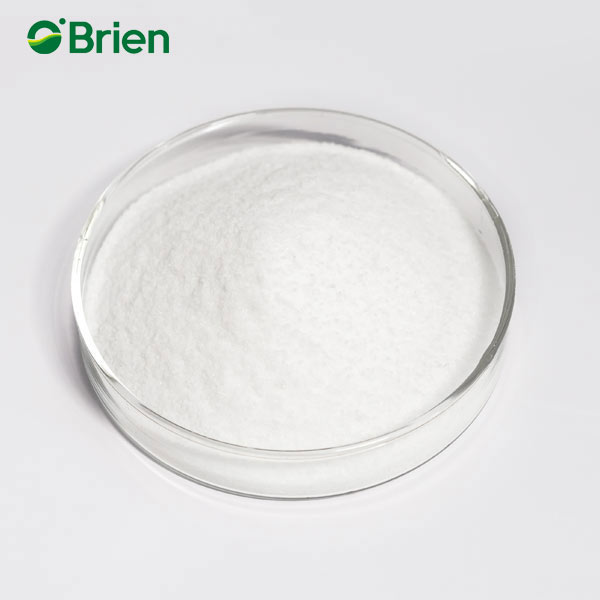
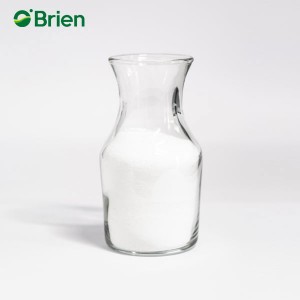
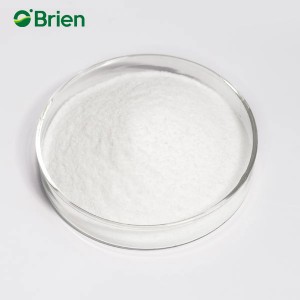
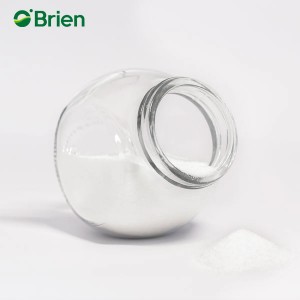
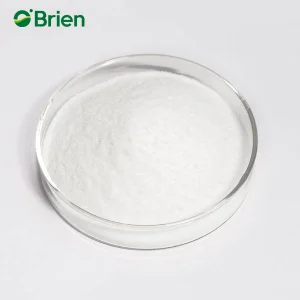
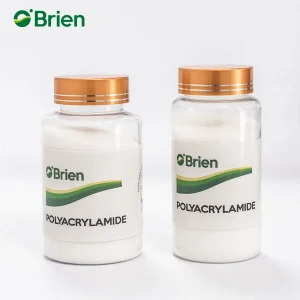
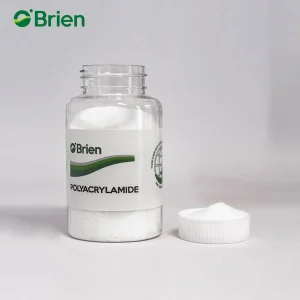
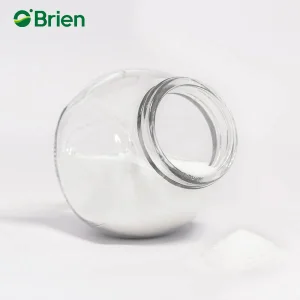
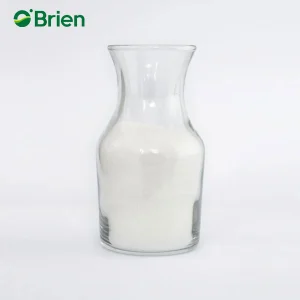
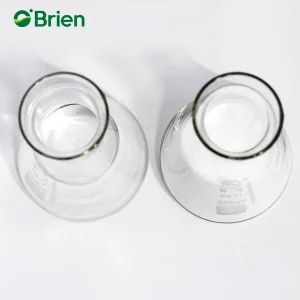
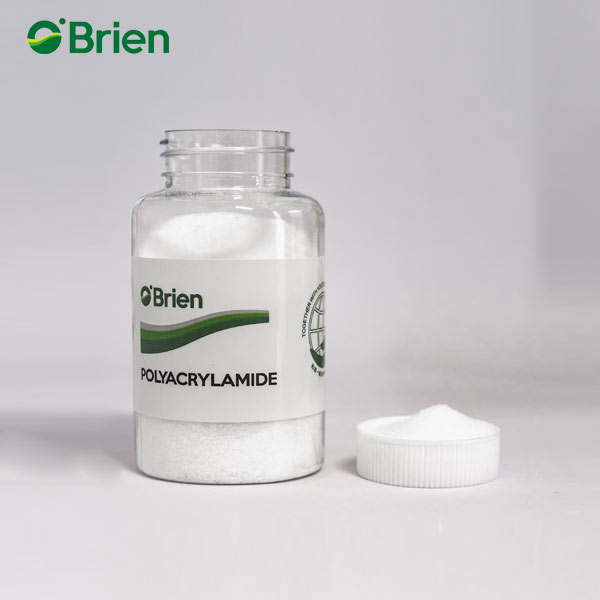
Polyacrylamide (PAM) is a versatile synthetic resin prepared by polymerizing acrylamide monomers. Available as a white, solid, highly water-soluble polymer powder, PAM operates primarily as a flocculant, coagulant, rheology modifier, and filtration aid. The polymer’s application profile is defined by its physical form, molecular mass distribution, and ionic character:

💧 Water Treatment Industry

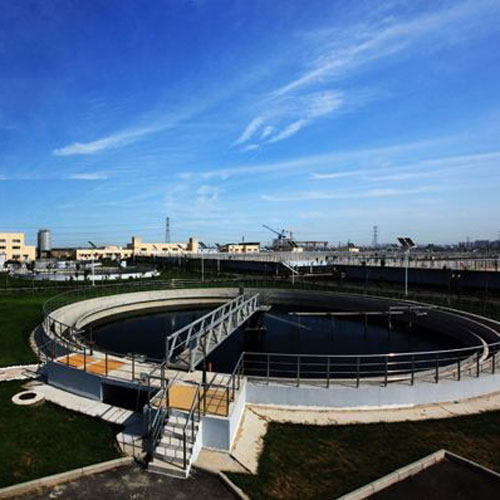
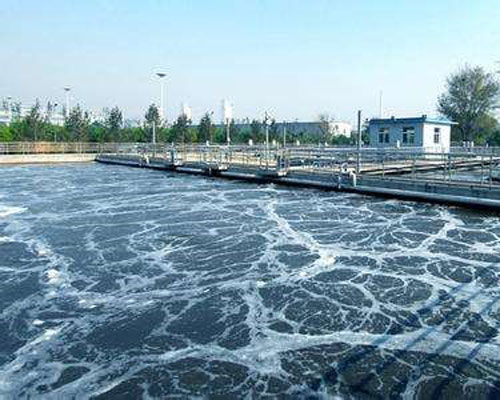
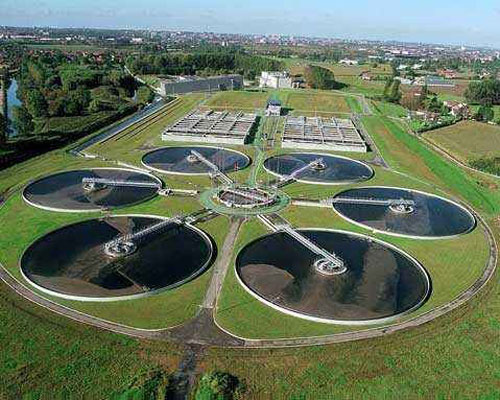
As a key flocculating agent, PAM is predominantly used in industrial solid-liquid separation processes, including settlement, clarification, concentration, and sludge dewatering. Polyacrylamide plays an indispensable role in municipal sewage management and industrial effluent treatment driven by increasingly stringent environmental regulations.

For municipal sewage treatment, it is also widely used in leather processing, paper making, citric acid manufacture, vegetable protein extraction, dyeing, pharmaceuticals, and incense industries. Major application sectors include Urban Sewage Treatment, Paper, Food Processing, Petrochemicals, Metallurgical Processing, Dyeing, and Sugar refining.
📑 Pulp & Paper Industry

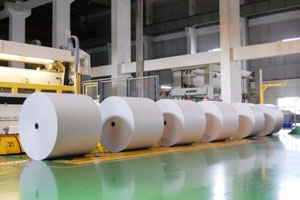
In the paper manufacturing process, PAM serves as a dry strength agent, retention aid, and drainage filter aid. It dramatically improves final paper sheet quality, enhances physical burst/tensile strength, and minimizes fine fiber loss while facilitating white water recycling and de-inking operations.
  • Paper Retention Agent: Improves short fiber and filler retention, accelerating dewatering and optimizing raw material cost.
  • Anionic Garbage Trash Catcher: Neutralizes charge interference from organic trash and tiny fibers, balancing wet-end chemistry.
  • Paper Strength Agent: Ionizes across wide pH ranges to bind directly onto wood fibers via ionic and covalent hydrogen bonding.
  • Paper Dispersant Agent: Promotes uniform fiber distribution, enhancing sheet appearance, softness, and structural toughness.

🛢️ Oilfield & EOR Industry

Polyacrylamide is widely deployed across upstream oil exploration, profile control, well-plugging agents, drilling fluid modification, and fracturing fluids. It acts to minimize fluid loss, inhibit shale hydration/swelling, lubricate drill strings, transport cuttings, and optimize cementing performance.

Primary Applications:

  • Enhanced Oil Recovery (EOR) sweep efficiency extension
  • Friction reduction additives for hydraulic fracturing
  • Drilling fluid viscosity and filtration control
  • Oil sands tailings clarification and water recycling

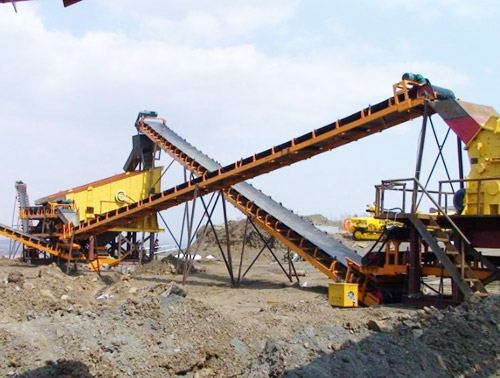
⛏️ Mining & Mineral Processing

Essential for separating valuable minerals from gangue slime and clarifying wash waters. Our full range of ionic polyacrylamide variants caters specifically to variable pH and mineral slurries in coal washing, tailings thickener management, and solid-liquid separation via filtration or centrifugation.

Extensively applied in precious metal extraction including Gold, Silver, Iron, Nickel, Copper, and Alumina refining.

🏭 Specialty Applications: Sugar Refining & Textile Processing

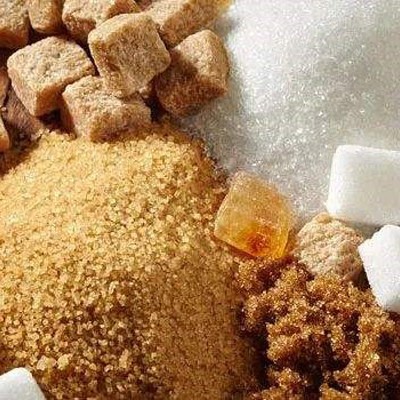
Sugar Industry

High-purity nonionic and anionic polyacrylamide formulations act as clarifying agents during juice clarification and syrup flotation in cane and beet sugar production, ensuring rapid sediment settling and high clarity juices.
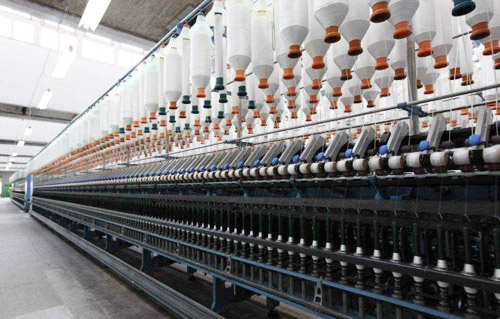
Textile Industry

PAM is utilized as an effective textile sizing agent, finishing auxiliary, and fabric treatment modifier to form a smooth, protective surface layer. It also serves as a potent flocculant in treating high-color textile dyeing effluents.
Industrial Packaging & Supply Chain Logistics

Customized Packaging Formats Engineered to Preserve Polymer Integrity During Transoceanic Shipping
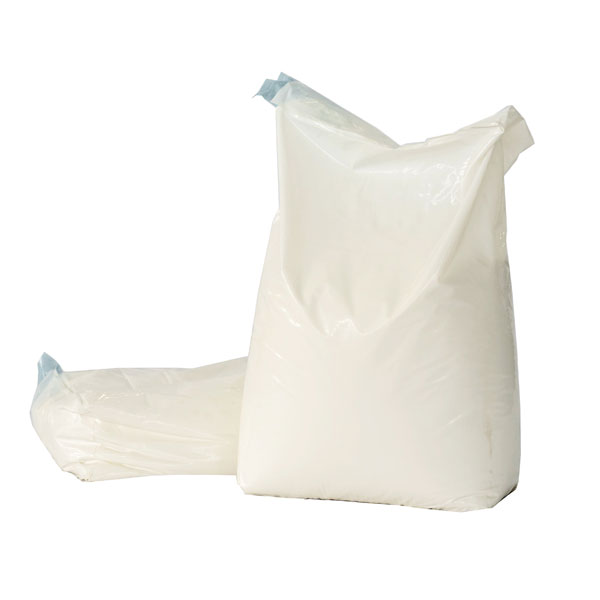
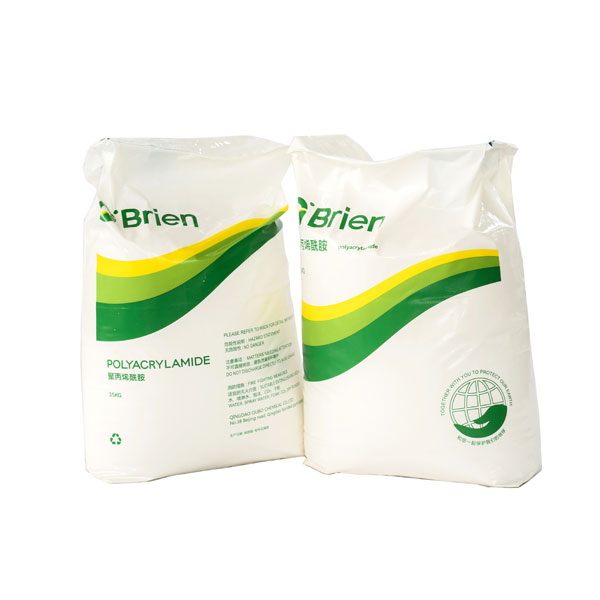
Blank-bag Packaging

Blank-bag (Neutral OEM)

Normal-bag Packaging

Normal Standard Bag

Package Reinforced Bag

Customized Reinforced Package

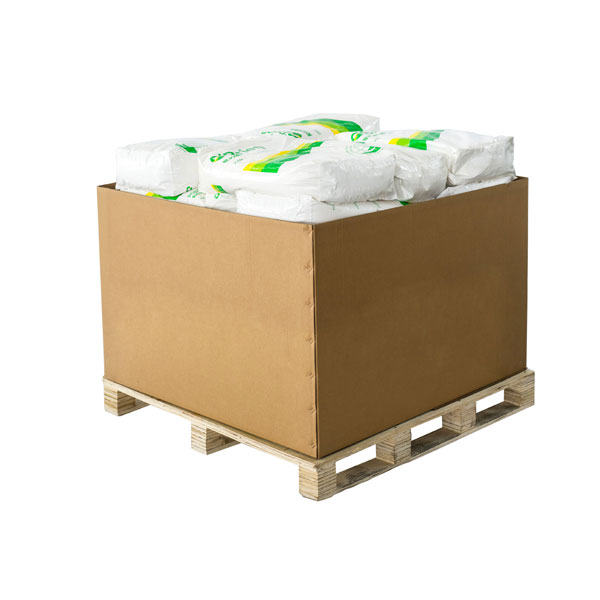
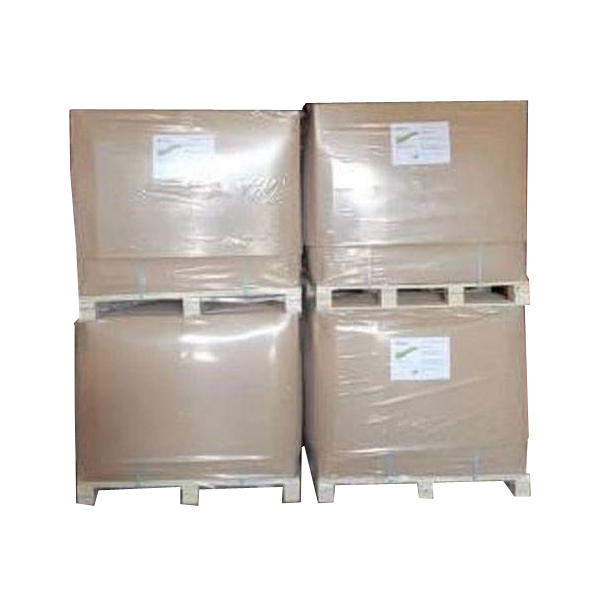
Palletized Storage

Palletized Sea-Freight Transport

Core Polyacrylamide Product Categories

Cationic polyacrylamide

Cationic polyacrylamide

Anionic Polyacrylamide

Anionic Polyacrylamide

Nonionic Polyacrylamide

Nonionic Polyacrylamide

Cationic Polyacrylamide Industrial

Cationic polyacrylamide

Anionic Polyacrylamide Industrial

Anionic Polyacrylamide

Nonionic Polyacrylamide High Molecular

Nonionic Polyacrylamide

Global Industry Trends & Environmental Sustainability

The Shift Toward Bio-Catalytic Synthesis and Zero-Carbon Water Remediation Technologies

The global polyacrylamide sector is undergoing a rapid paradigm shift driven by stringent carbon-footprint mandates and global environmental safety regulations. Traditional chemical synthesis methods, which historically relied on nitric acid or copper-catalyzed hydrolysis, are being progressively phased out by leading Chinese factories in favor of Third-Generation Enzymatic Bio-Catalysis.

Bio-catalyzed synthesis utilizes targeted microbial enzymes (nitrile hydratase) at ambient temperatures and neutral pH levels. This technological breakthrough delivers profound operational advantages:

  • Extreme Monomer Purity: Complete conversion of acrylonitrile to acrylamide eliminates hazardous copper contaminants and reduces residual acrylamide monomer (AM) levels to strictly less than 200–500 ppm, enabling usage in sensitive municipal drinking water applications.
  • Ultra-High Molecular Weight Control: Enables the engineering of hyper-linear polymers reaching molecular weights of 25+ Million Daltons, boosting flocculation efficiency while reducing dosage requirements by up to 30%.
  • Carbon Footprint Mitigation: Low-temperature bio-reactions consume significantly less electrical and thermal energy, aligning global supply chains with ESG (Environmental, Social, and Governance) procurement standards.

Technical Procurement Q&A (FAQ)

Expert Answers to Critical Sourcing, Application, and Quality Evaluation Questions

How do I choose between Anionic, Cationic, and Nonionic Polyacrylamide?
Selection depends directly on the surface charge of the suspended particles in your wastewater or fluid matrix. Anionic PAM (APAM) works best for inorganic solids and positively charged slurries (e.g., mineral tailings, sand washing, neutral/alkaline municipal water). Cationic PAM (CPAM) is designed for organic sludge and negatively charged particles (e.g., municipal sludge dewatering, food processing waste, paper pulp retention). Nonionic PAM (NPAM) excels in highly acidic environments or complex solutions with mixed ionic charges.
What molecular weight range is required for Enhanced Oil Recovery (EOR) vs. Sludge Dewatering?
Enhanced Oil Recovery (EOR) typically requires high to ultra-high molecular weight Anionic PAM (18 to 25 Million Daltons) with precise degree of hydrolysis (20-30%) to maintain solution viscosity under elevated shear and saline conditions. Sludge dewatering generally requires Cationic PAM with medium molecular weight (8 to 12 Million Daltons) and tailored charge density (10% to 80%) to effectively neutralize sludge charges and release bound water.
How does Oubo Chemical ensure batch-to-batch quality consistency?
Oubo Chemical operates under ISO 9001:2008 quality control protocols. Every manufacturing run uses high-purity feedstocks sourced from strategic global partners (SINOPEC, Eni). Automated reaction monitoring tracks polymerization kinetics, and our dedicated QC laboratory conducts mandatory 3-point batch testing (analyzing viscosity, degree of hydrolysis/charge density, and residual monomer content) prior to packaging and dispatch.
What are the recommended dissolution procedures and shelf-life conditions for powdered PAM?
PAM powder must be dissolved slowly into clear water with a mechanical stirrer running at 200–400 RPM to avoid the formation of insoluble "fish eyes." Recommended solution concentration is 0.1% to 0.3%. Dissolved stock solutions should be consumed within 24–48 hours for optimal polymer activity. Dry PAM powder stored in original sealed packaging in a cool, dry, ventilated location maintains a shelf-life of 24 months.
Can Oubo Chemical supply OEM neutral packaging or custom formulations?
Yes. We offer fully customizable packaging options including 25kg blank kraft paper bags, unbranded neutral bags, reinforced Palletized shipments, and 750kg/1000kg jumbo bulk bags. Our R&D team also custom-engineers polymer charge, dissolution rate, and particle mesh size to match customer specification sheets.

Complete Acrylamide Homopolymer Product Catalog

Browse Our Full Range of Factory-Direct Polyacrylamide Formulations
Anionic Polyacrylamide Municipal Sewage

Wholesale Anionic Polyacrylamide (APAM) for Municipal Sewage Treatment & Sludge Dewatering Manufacturers, Suppliers

View Product Details
Wholesale PAM Anionic Polyacrylamide

Wholesale PAM Anionic Polyacrylamide Manufacturer, Suppliers

View Product Details
High Molecular Nonionic Coal Washing

Wholesale High Molecular Weight Nonionic Polyacrylamide for Coal Washing & Tailings Dewatering Manufacturers, Suppliers

View Product Details
Anionic Polyacrylamide Powder Flocculant Food Processing

Wholesale Anionic Polyacrylamide Powder Flocculant for Food Processing & Sugar Refining Wastewater Manufacturer, Factories

View Product Details
Cationic Polyacrylamide CPAM Sludge Dewatering

Wholesale Cationic Polyacrylamide (CPAM) for Sludge Dewatering & Industrial Wastewater Flocculation Supplier, Factories

View Product Details
Nonionic Polyacrylamide NPAM Mineral Processing

Wholesale Nonionic Polyacrylamide (NPAM) for Mineral Processing & Metallurgical Ore Dressing Suppliers, Factories

View Product Details
Cationic Polyacrylamide CAS 9003-05-8 Textile Wastewater

Wholesale Cationic Polyacrylamide (CAS 9003-05-8) Flocculant for Textile & Dyeing Wastewater Manufacturer, Supplier

View Product Details
Nonionic Polyacrylamide Flocculant Acidic Industrial Wastewater

China Nonionic Polyacrylamide Flocculant for Acidic Industrial Wastewater Treatment Manufacturers, Factories

View Product Details