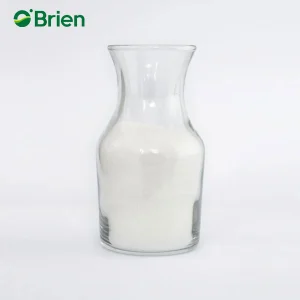
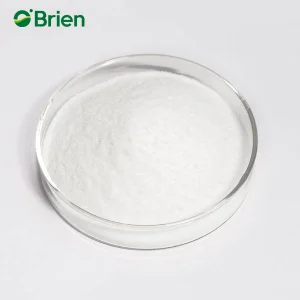
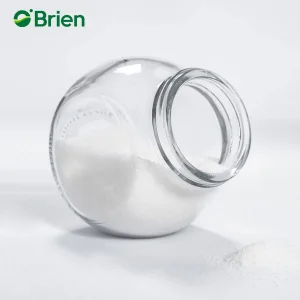
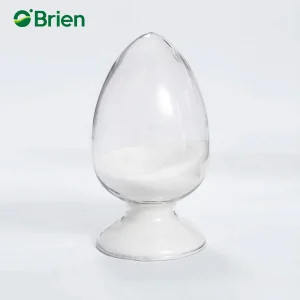
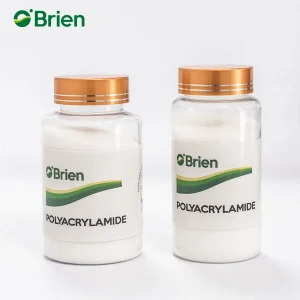
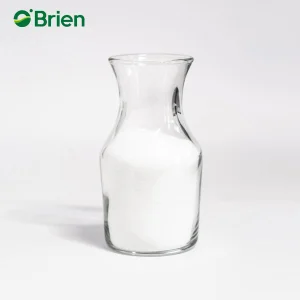
Explore our premium-grade cationic, anionic, and nonionic polyacrylamide polymer formulations.
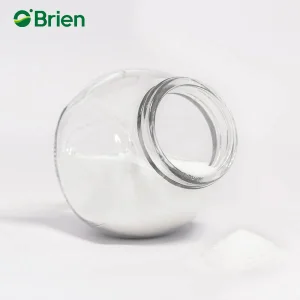
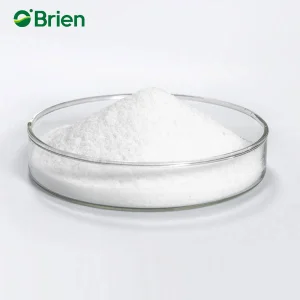
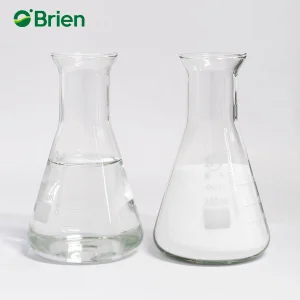
Delivering high-performance water-soluble polymers backed by cutting-edge research, strict ISO management, and strategic port logistics.
Established in 2011 and strategically situated within the Free Trade Zone of Qingdao, China, Qingdao Oubo Chemical Co., Ltd has emerged as a globally recognized premier manufacturer and exporter of Acrylamide Resins and Polyacrylamide (PAM) derivatives. Over a decade of operational excellence has yielded a sustained annual growth rate of 10%, underpinned by robust investments in bio-polymerization technologies.
Our state-of-the-art facility reached a milestone annual production capacity exceeding 50,000 Metric Tons in 2018. We operate under stringent quality management frameworks certified by ISO9001:2008, ensuring every consignment meets exact molecular weight, charge density, and purity thresholds required by worldwide industrial clients.
Oubo Chemical maintains an unyielding commitment to environmental stewardship during both polymer synthesis and field application. By transitioning to low-carbon biological synthesis methods, we significantly minimize residual monomer content (acrylamide monomer < 0.05%) and decrease energy footprints.
Our multi-stage Quality Assurance protocol incorporates raw material testing from tier-1 global petrochemical suppliers (including SINOPEC and Eni), inline automated synthesis monitoring, and triple-batch testing prior to dispatch. Under our registered brand O'brien, our technical team collaborates with enterprise buyers across 60+ countries to customize polymer behavior for challenging process conditions.
A deep technical analysis of synthetic water-soluble polymers, macromolecular structures, and ionic classifications.
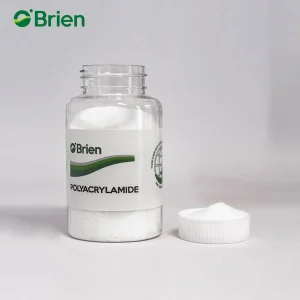
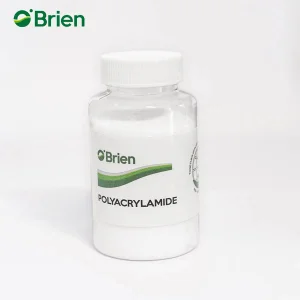
Polyacrylamide (CAS 9003-05-8) is a synthetic water-soluble linear polymer formed from acrylamide monomers ($CH_2=CH-CONH_2$). As a synthetic resin, it exhibits unique physical properties: high solubility in water, insolubility in most organic solvents, exceptional viscosity-building capability, and remarkable flocculation efficiency via molecular bridging and charge neutralization.
The performance of acrylamide resins is governed by two primary parameters: Molecular Weight (MW)—ranging from 3 Million to over 22 Million Daltons—and Ionic Charge Density, which modifies the polymer backbone to suit specific liquid-solid separation requirements.
Copolymerized with cationic monomers such as DAC (Acryloyloxyethyltrimethyl ammonium chloride) or DMC. CPAM carries positive charge centers along its chain, making it uniquely suited for negatively charged organic sludge dewatering, municipal wastewater, and paper wet-end retention.
Copolymerized with acrylic acid salts or hydrolyzed from polyacrylamide. APAM contains negatively charged carboxylate groups ($COO^-$). It excels in flocculating inorganic suspended solids in neutral to alkaline conditions, such as coal washing tailings, mineral dressing, and metallurgical effluent.
Homopolymer of pure acrylamide monomer carrying negligible ionic charge. NPAM operates primarily through strong hydrogen bonding between its amide groups ($CONH_2$) and suspended solids. It is highly resilient in acidic wastewater environments and mineral leaching operations.
| Polymer Type | Ionic Degree / Hydrolysis (%) | Molecular Weight (Million Daltons) | Primary Industrial Mechanism | Optimal pH Range |
|---|---|---|---|---|
| Cationic PAM (CPAM) | 5% - 80% Charge Density | 8 - 15 Million | Charge Neutralization & Sludge Dewatering | 3.0 - 7.5 |
| Anionic PAM (APAM) | 10% - 60% Hydrolysis | 12 - 22 Million | Inter-particle Bridging & Sedimentation | 7.0 - 14.0 |
| Nonionic PAM (NPAM) | < 3% Hydrolysis | 6 - 12 Million | Hydrogen Bonding & Acidic Flocculation | 1.0 - 8.0 |
| Amphoteric PAM | Dual Cationic/Anionic Centers | 8 - 14 Million | Complex Dewatering & High-Salinity EOR | 2.0 - 12.0 |
Traditional chemical synthesis of acrylamide monomer uses sulfuric acid or copper catalysts, which introduces copper ions, iron impurities, and residual unreacted monomer contaminants. Oubo Chemical utilizes an advanced, patent-applied biological enzymatic method using nitrile hydratase biocatalysts to convert acrylonitrile into pure monomer.
Why international enterprises source Acrylamide Resins from Qingdao, China.
Direct partnerships with raw material giants like SINOPEC ensure uninterrupted access to high-purity acrylonitrile (AN) feedstocks, insulating global buyers from supply spikes.
Automated continuous polymer synthesis lines drastically lower per-ton manufacturing costs, passing economic savings to bulk industrial buyers globally.
Located within the Qingdao Free Trade Zone, Oubo leverages direct deep-water port access for accelerated ocean freight, reduced inland transport times, and flexible shipping options.
In-house technical application teams assist clients with Jar Testing, polymer screening, charge matching, and custom tailored dissolution rates.
Comprehensive application blueprints across water treatment, paper manufacturing, oil & gas recovery, and mining operations.
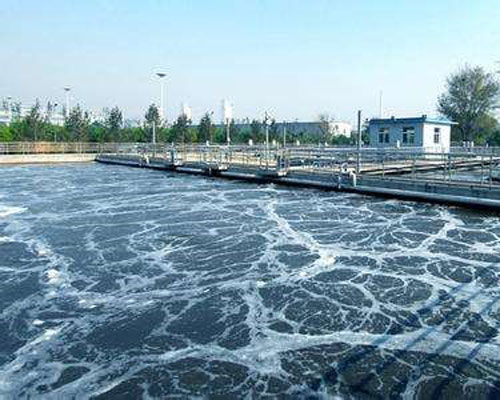
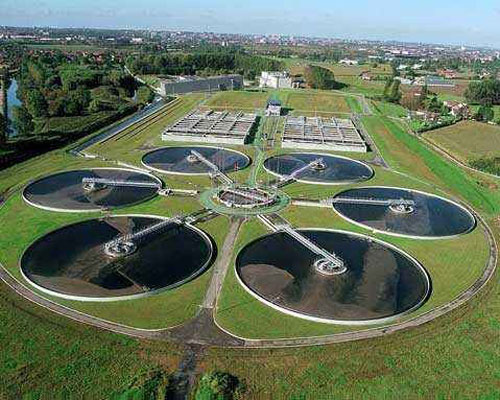
Polyacrylamide plays a central role in solid-liquid separation processes, including sedimentation, clarification, thickening, and sludge dewatering. Environmental regulations demand highly efficient removal of total suspended solids (TSS) and reduction of Chemical Oxygen Demand (COD).
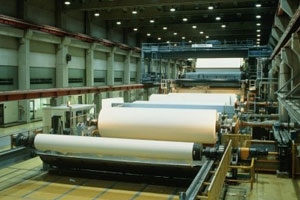
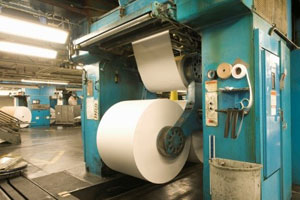
In paper wet-end chemical systems, Oubo acrylamide resins serve vital functions in enhancing runnability, fiber savings, and sheet formation quality.
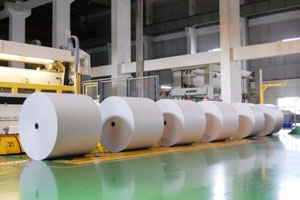
In tertiary oil recovery (Enhanced Oil Recovery - EOR), high molecular weight PAM increases water phase viscosity, improving sweep efficiency in reservoir rock mobility control. Additionally, it functions as a fluid loss control agent, shale inhibitor, and friction reducer in slickwater hydraulic fracturing fluids and drilling muds.


Essential for solid-liquid filtration, coal tailings washing, and valuable metal hydrometallurgy extraction (Gold, Silver, Copper, Nickel, Uranium, Iron). APAM speeds up thickener sedimentation rates, enabling rapid recycling of clean process water back to grinding circuits.

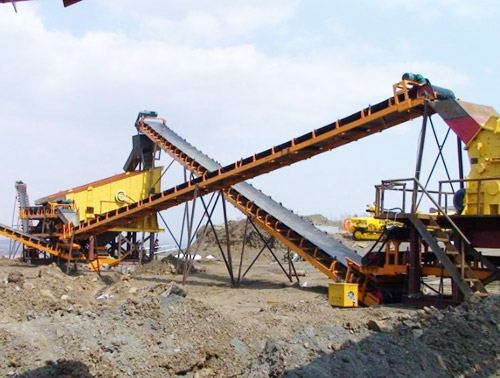

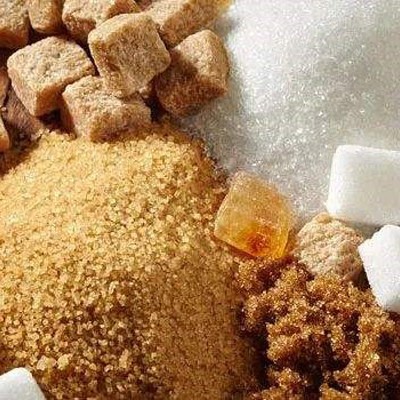
In sugar cane and sugar beet refining, food-grade anionic polyacrylamide acts as a flocculant in juice clarification and scum flotation. It rapidly aggregates suspended micro-impurities, delivering clear sugar syrup while adhering to strict food-contact safety standard margins.
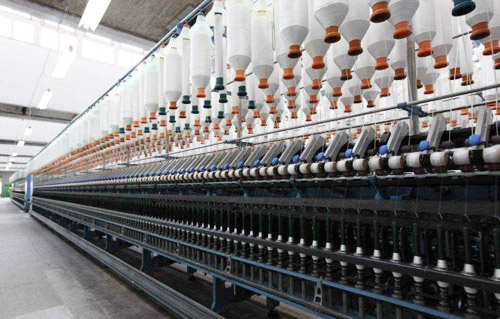
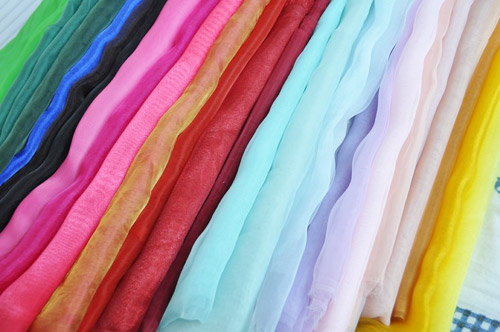
Used as a sizing agent and finishing additive to produce a smooth, anti-static, break-resistant protective film on yarn. In textile printing and dyeing wastewater, CPAM/APAM effectively decolorizes organic dye complexes and precipitates heavy metal residues.

Custom packaging engineered to protect moisture-sensitive dry powder resins during long ocean transits.
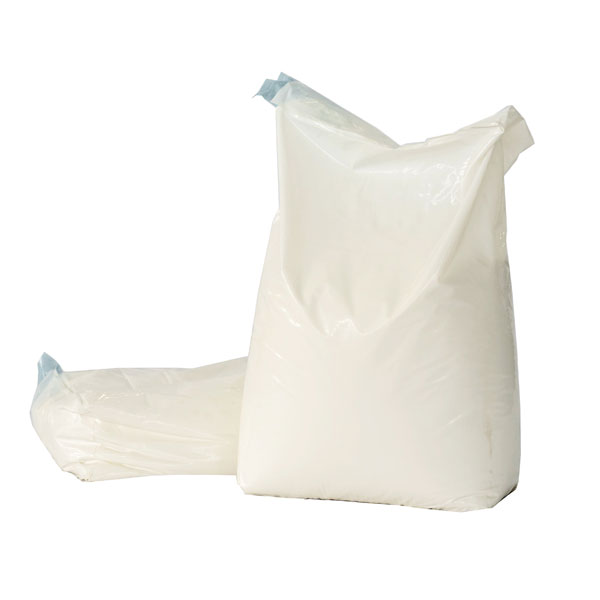
Neutral 25kg multi-wall kraft paper or PE inner bags designed for distributor re-branding.
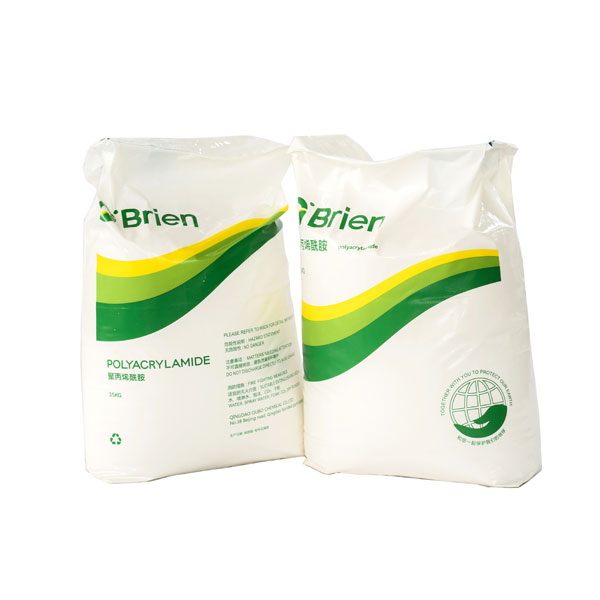
Factory standard 25kg printed bags containing product specification codes, lot numbers, and safety markings.
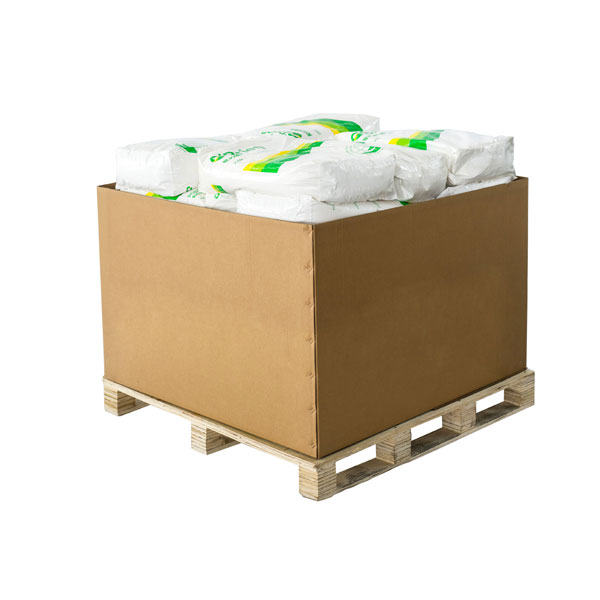
750kg - 1000kg heavy-duty bulk tote bags engineered for automated dissolver feeding systems.
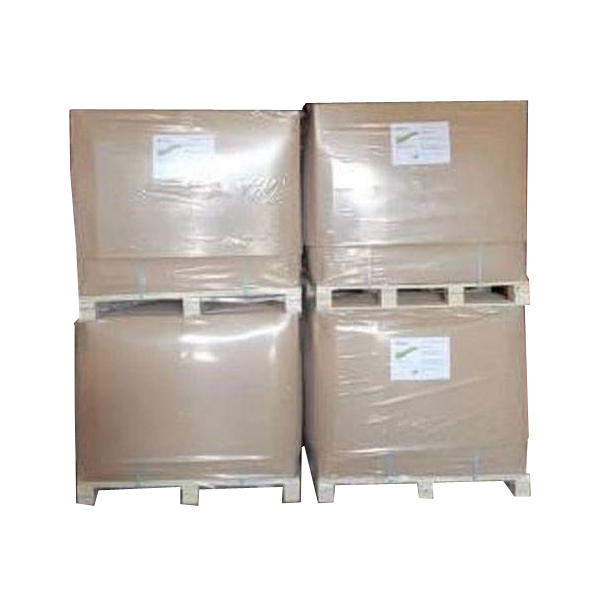
Fumigated wooden or plastic pallets, shrink-wrapped with moisture barriers to ensure zero lump formation.
Strategic insights into the future of eco-friendly water-soluble polymers, regulatory compliance, and green chemistry innovation.
Worldwide environmental protection agencies (such as US EPA and REACH) are enforcing strict limits on unreacted acrylamide monomer (AMD) due to health guidelines. Advanced biological synthesis enables Oubo Chemical to supply ultra-pure PAM with residual monomer guaranteed below 500 ppm (and down to < 250 ppm for specialized potable water applications).
Conventional polyacrylamide powders require 60 to 90 minutes of aging time to achieve full chain extension. Next-generation particle size engineering reduces dissolving dissolution times down to 30–45 minutes, dramatically saving electrical mixing energy for municipal and industrial wastewater facilities.
Industrial sectors are rapidly shifting toward Zero Liquid Discharge (ZLD) closed-loop water systems. Our tailored high-charge cationic and anionic polymers optimize sludge dryness, maximizing process water recovery and cutting hazardous landfill waste volume by up to 35%.
Expert guidance on selecting, dissolving, dosing, and storing acrylamide resins.
Targeted chemical formulations engineered for specialized industrial processes.
 Oubo Chemical