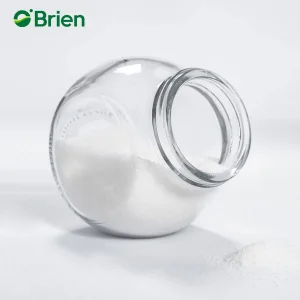
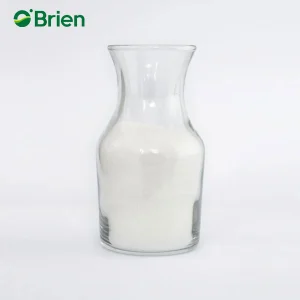
Engineered for Municipal Wastewater, Oil Recovery, Mineral Processing, and Paper Production.
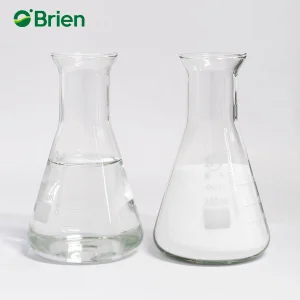
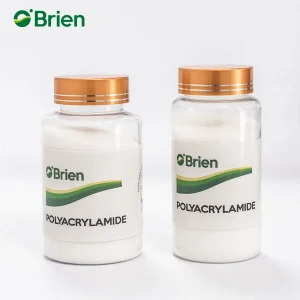
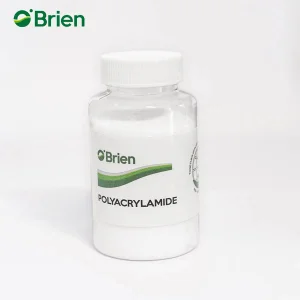
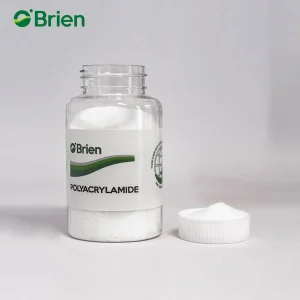
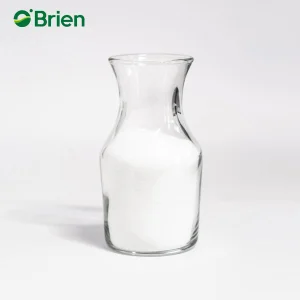
The global market for Acrylamide Copolymer Polyacrylamide (CAS 9003-05-8) is undergoing a major paradigm shift driven by stringent environmental standards, advanced Enhanced Oil Recovery (EOR) technologies, and modern municipal sludge dewatering requirements. As premier China Acrylamide Copolymer Polyacrylamide Manufacturers & Factories, enterprise chemical production hubs—most notably Qingdao Oubo Chemical Co., Ltd (operating under the internationally acclaimed O'brien brand)—have revolutionized large-scale polymer synthesis.
Historically reliant on conventional chemical catalyst hydration, top-tier Chinese manufacturers now utilize third-generation microbial bio-catalysis methods. This technology leverages enzymatic conversion (Nitrile Hydratase) to produce ultra-pure acrylamide monomers. The resultant polymers display exceptional molecular weight control (ranging from 5 Million to upwards of 22 Million Daltons), low residual monomer content (<0.05%), and superior thermal and shear stability.
💡 Information Gain & Technical Insight: Unlike basic chemical flocculants, acrylamide copolymers are customized macromolecular synthetic resins tailored by charge density (ionicity from 5% to 80%) and intrinsic viscosity. Chinese manufacturing centers leverage direct integration with raw material giants like SINOPEC and Eni, ensuring unprecedented supply chain resilience, purity, and cost-efficiency for industrial buyers across North America, Europe, the Middle East, and Southeast Asia.
Polyacrylamide (PAM) is a water-soluble synthetic linear polymer formed from acrylamide subunits [-CH2-CH(CONH2)-]. Based on charge characteristics, acrylamide copolymers are categorized into four core ionic types: Anionic Polyacrylamide (APAM), Cationic Polyacrylamide (CPAM), Nonionic Polyacrylamide (NPAM), and specialized Amphoteric/Mannich PAM.
Synthesized by copolymerizing acrylamide with acrylic acid or sodium acrylate. Carries negative charges along the polymer backbone, making it exceptionally effective for flocculating positively charged inorganic suspensions, mineral tailings, and turbid surface water.
Copolymerized with cationic monomers such as DAC (Acryloyloxyethyltrimethyl ammonium chloride) or DMC. Positively charged, designed to neutralize negatively charged organic colloids and biological sludge particles.
Homopolymer of pure acrylamide possessing minimal ionic charge. Operates primarily through hydrogen bonding bridging mechanisms, performing flawlessly in highly acidic or saline industrial conditions.
| Polymer Classification | Ionic Charge & Type | Molecular Weight (Mw Range) | Primary Industrial Sector | Mechanism of Action |
|---|---|---|---|---|
| Anionic PAM (APAM) | Negative (-5 to -50 meq/g) | High to Ultra-High (10M - 22M) | Mineral Processing, Raw Water Treatment, Oilfield Flooding | Charge Neutralization & Macromolecular Bridging |
| Cationic PAM (CPAM) | Positive (+10 to +80 meq/g) | Medium to High (6M - 12M) | Municipal Sewage Sludge Dewatering, Textile Dyeing | Colloidal Charge Neutralization & Floc Binding |
| Nonionic PAM (NPAM) | Neutral (0 to -2 meq/g) | Medium (3M - 10M) | Acidic Mining Effluents, Soil Stabilization, Paper Pulping | Hydrogen Bond Adsorption & Polymer Network Entanglement |
As leading global suppliers, Qingdao Oubo Chemical Co., Ltd delivers integrated polymer chemistry solutions tailored to demanding industrial operational parameters. Below is a detailed breakdown of industrial verticals optimized by our specialized polyacrylamide chemistries:
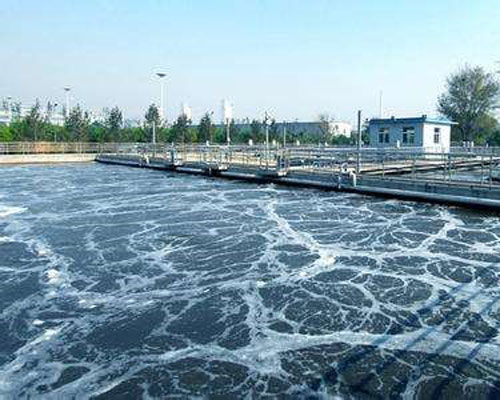
Polyacrylamide serves as a vital solid-liquid separation agent in sedimentation, clarification, and centrifugal sludge dewatering. Highly effective across municipal WWTPs, leather processing, paper mills, citric acid, and pharmaceutical effluents.
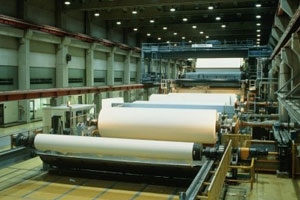
Functions as retention aid, drainage promoter, dry/wet strength agent, and anionic garbage scavenger. Maximizes short fiber and filler retention, improves sheet formation, reduces raw fiber loss, and clarifies process white water.
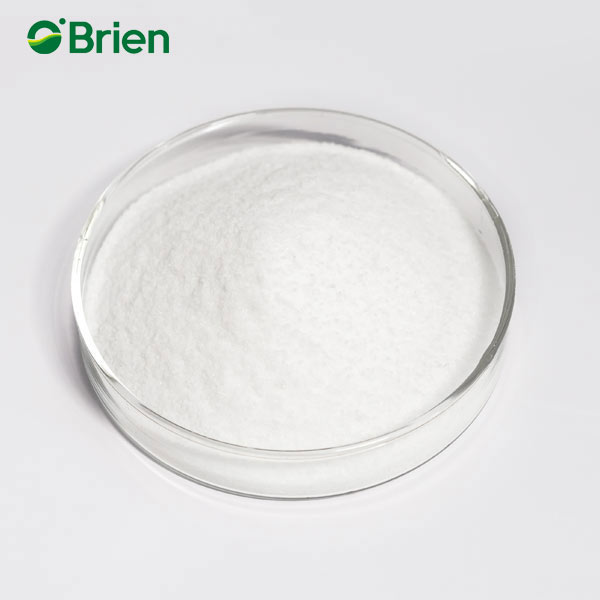
Utilized as fluid loss additives, shale inhibitors, friction reducers, and polymer flooding mobility control agents. Maintains viscosity under high-temperature high-salinity (HTHS) reservoir conditions to boost oil extraction yield.

Accelerates slurry thickener sedimentation and tailings filtration in coal washing, gold, silver, iron, copper, and alumina (red mud) processing. Ensures clean water recycling and compact tailings cake disposal.
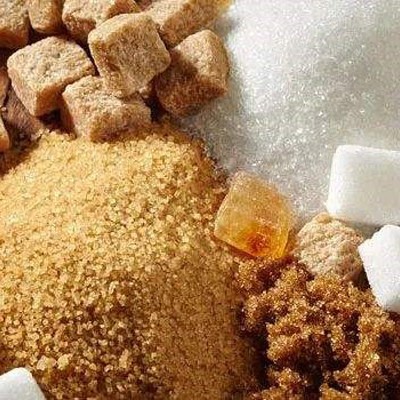
Food-grade high-purity anionic flocculants accelerate juice clarification and dissolved air flotation (DAF) during cane and beet sugar refining, ensuring high sugar recovery rates and crystalline clarity.
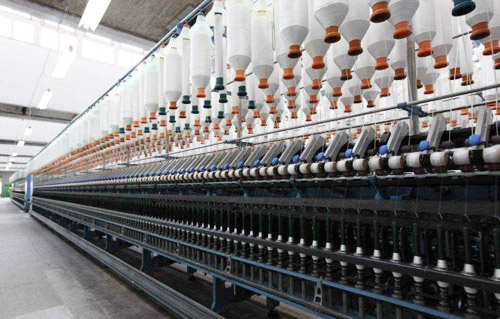
Acts as warp sizing additive for smoother fabric weaving and anti-static agent. In wastewater treatment, it rapidly decolorizes dye liquor and dewaters complex chemical sludge generated during printing.
Established in 2011 and strategically located in the Free Trade Zone of Qingdao, China, Qingdao Oubo Chemical Co., Ltd has emerged as a powerhouse among international China Acrylamide Copolymer Polyacrylamide Manufacturers. Maintaining an annual business growth rate of over 10%, our brand O'brien represents technical excellence and reliable global distribution.
We utilize proprietary biological enzymatic methods to synthesize acrylamide monomers. This eco-friendly process minimizes trace impurities, prevents cross-linking, and ensures ultra-linear macromolecular architecture with patented technology backed by €2M+ annual R&D investment.
Our raw materials are directly procured from tier-1 global energy chemical leaders including SINOPEC and Eni. All automated production lines adhere strictly to ISO9001:2008 guidelines, with each batch subjected to 3 mandatory QC inspections prior to dispatch.
Our dedicated chemical application engineers assist buyers through pre-sales lab jar testing, polymer selection, field dosage optimization, and post-sales technical troubleshooting, ensuring optimum Total Cost of Ownership (TCO).
Situated inside the Qingdao Free Trade Zone adjacent to Qingdao Port, Oubo offers seamless ocean freight logistics, fast customs clearance, tax-efficient warehousing, and flexible OEM/custom packaging solutions.
The acrylamide copolymer landscape is rapidly shifting toward sustainable, high-efficiency chemistry. In response to global decarbonization mandates and complex industrial effluent compositions, Chinese polymer innovators are advancing research across three key technical frontiers:
Engineered for harsh deep-sea oilfield reservoirs and high-salinity industrial mining tailings. Micro-block monomer copolymerization techniques provide high shear resistance up to 120°C and TDS levels exceeding 100,000 ppm.
Expanding third-generation biotransformation processes to further minimize greenhouse gas emissions during monomer synthesis. The target is a net-zero carbon footprint during polyacrylamide polymerization.
Development of fast-dissolving liquid inverse-emulsion polyacrylamides that dissolve within 3-5 minutes (compared to 45-60 minutes for dry powders), eliminating field dissolution bottlenecks for municipal emergency treatment.
Expert responses to primary technical, logistical, and purchasing queries regarding Acrylamide Copolymers.
Explore specialized formulations for acidic wastewater, paper strength enhancement, and high-molecular weight sludge treatment.
 Oubo Chemical