Direct Factory Supply of High Purity Anionic, Cationic, and Nonionic Formulations
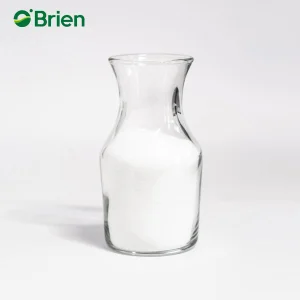
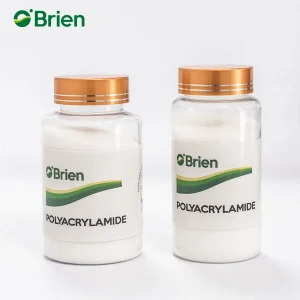
Comprehensive Chemistry Analysis, Particle Size Distribution Kinetics, and Rheological Mechanics
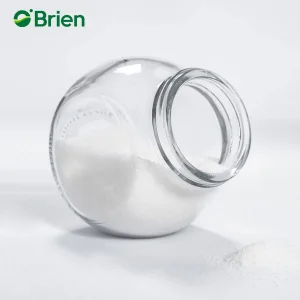
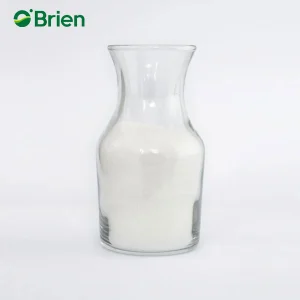
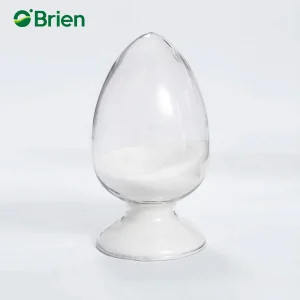
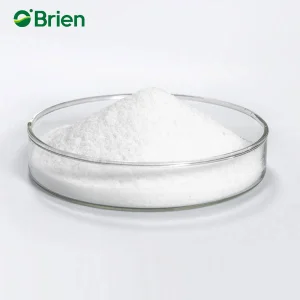
Polyacrylamide (PAM) is a synthetic, high-molecular-weight resin synthesized via the free-radical polymerization of acrylamide monomers. Highly valued across global industrial sectors as a primary flocculant, coagulant aid, rheology modifier, and solid-liquid separation catalyst, its efficacy depends strictly on its molecular charge distribution (cationic, anionic, nonionic, or amphoteric) and granular mesh size. Among the diverse spectrum of water-soluble polymers, 95% Purity Anionic Polyacrylamide (APAM) with a 60-100 Mesh size represents the absolute technical sweet spot for large-scale municipal, petroleum, mining, and industrial applications.
The specific designation of 60-100 Mesh (equivalent to 150 to 250 micrometers) is critical for process engineering optimization. Coarser granules (>50 mesh) exhibit extended dissolution times, leading to undissolved "fish-eye" hydrogels that clog industrial pumps and dosing apparatus. Conversely, ultrafine powders (<120 mesh) introduce severe operational hazards including particulate airborne dust exposure, rapid moisture absorption during storage, and surface gel-blocking upon hydration. The 60-100 mesh specification guarantees rapid wetting dynamics, complete hydrodynamic coil expansion, and optimal shear resistance during turbulent hydraulic mixing.
Information Gain Key Insight: Oubo Chemical's proprietary 95% APAM 60-100 Mesh achieves a dissolution threshold under 45 minutes in standard aqueous solutions (25°C, 0.1% concentration), yielding a structural viscosity exceeding 1800 mPa.s. This drastically reduces operational energy consumption and chemical dosage by up to 22% compared to standard commercial grade equivalents.
| Property Parameter | Standard APAM Specification | Oubo 95% APAM 60-100 Mesh Premier Grade | Industrial Impact & Analytical Value |
|---|---|---|---|
| Active Content Purity (%) | 88% - 90% | ≥ 95.0% High Purity | Maximizes molecular chain bridging efficiency per kilogram. |
| Granule Particle Size | 20 - 120 Mesh Variable | 60 - 100 Mesh Calibrated | Prevents dusting while optimizing dissolution speed without fish-eyes. |
| Molecular Weight (Million) | 8.0 - 16.0 M Daltons | 18.0 - 25.0 M Daltons | Dramatically increases flock density, settling speed, and shear stability. |
| Hydrolysis Degree (Degree of Anionicity) | 15% - 25% | 20% - 30% Optimized | Ensures ideal carboxylate (-COO⁻) density for mineral surface adsorption. |
| Dissolution Time (Minutes) | 60 - 90 Mins | ≤ 40 - 45 Mins | Accelerates operational turnover rate in continuous dosage units. |
| Residual Monomer (Acrylamide) | ≤ 0.10% | ≤ 0.05% (Ultra-Low) | Complies with rigorous municipal discharge and eco-toxicity protocols. |
Qingdao Oubo Chemical Co., Ltd. - Enterprise Excellence & Strategic Global Logistics
Oubo Chemical Co., Ltd. was established in 2011 and is strategically positioned within the Free Trade Zone of Qingdao, China. Operating from a world-class logistical hub with direct sea-freight connectivity, Oubo has sustained a consistent business growth rate of over 10% annually. Our corporate philosophy integrates strict Quality Control (QC) protocols with absolute environmental stewardship during chemical synthesis, monomer recovery, and polymer application.
Specializing in the continuous synthesis of Cationic Polyacrylamide (CPAM), Anionic Polyacrylamide (APAM), and Nonionic Polyacrylamide (NPAM), our manufacturing base features fully automated polymerization lines, adiabatic continuous gel hydration technology, and biological enzymatic monomer processing. In 2018, Oubo's total annual polyacrylamide production capacity officially broke through 50,000 Metric Tons. Our entire operational architecture and quality management matrix are rigorously certified under ISO 9001:2008 specifications.
Qingdao OUBO Chemical Co., Ltd. is a global market leader in Polyacrylamide manufacturing. Utilizing patented biological enzymatic polymerization techniques, we re-invest substantial capital into continuous research and development, accumulating advanced chemical IP year-over-year.
Integrated with top-tier global supply chains, our raw materials are sourced from industry titans such as SINOPEC and Eni. Operating 100% automated production lines, every single production batch undergoes 3-stage QA/QC analytical verification before factory clearance.
Dedicated exclusively to polyacrylamide chemistry, our specialized technical taskforce integrates seamlessly into pre-sales laboratory testing, dosage optimization, custom charge mapping, and rapid post-delivery process consulting.
Our engineering team accompanies client operations from initial bench-scale jar testing through full-scale industrial trials, guaranteeing that chemical selections align perfectly with specific substrate conditions and municipal discharge limits.
How 95% APAM 60-100 Mesh Solves Complex Solid-Liquid Separation Engineering Challenges
In industrial solid-liquid separation processes, 95% APAM operates via charge neutralization and interparticle bridging. Negative carboxyl groups along the extended polymer backbone adsorb onto positively charged suspended mineral particulates, rapidly agglomerating micro-flocs into large, dense macroscopic aggregates.
Key Sub-Sectors: Urban Sewage Treatment, Leather Tanning, Papermaking Effluent, Citric Acid Extraction, Vegetable Protein Processing, Textile Dyeing, Pharmaceutical Intermediates, and Sugar Refinery Wastewater.
Across petroleum engineering operations, APAM 60-100 Mesh serves as an essential rheology control agent, profile modification fluid, and shale inhibitor. High molecular weight chains significantly elevate aqueous phase viscosity, optimizing mobility ratios during tertiary oil recovery sweep processes.
Core Functions: Enhanced Oil Recovery (EOR), Hydraulic Fracturing Friction Reduction, Drilling Mud Filtration Loss Prevention, Wellbore Cementing, and Oil Sands Tailing De-watering.
In mineral dressing, 95% APAM acts as a high-performance sedimenting flocculant for ore slurry clarification and tailings thickening. Its high anionic charge density accelerates solid-liquid phase separation in thickeners, vacuum drum filters, and centrifuge units.
Applications: Coal Washing & Fine Coal Slurry Recovery, Gold, Silver, Copper, Iron Ore, Nickel, and Bauxite Processing Tailings Management.
Utilized within paper machine wet-end chemistry as a retention agent, drainage aid, and dry strength additive. Amide functional groups form covalent and hydrogen bonds with cellulose hydroxyl groups, directly increasing paper sheet tensile and burst strength.
Key Functions: Fiber Fine Retention, Anionic Trash Scavenging, Pulp Dispersant Optimization, White Water Clarification, and De-inking Flocculation.
PAM serves as a dynamic textile sizing agent, finishing auxiliary, and fabric protective film component. When introduced into textile printing and dyeing wastewater treatment systems, it achieves rapid decolorization and sludge compaction.
Applications: Warp Sizing, Fabric Antistatic Treatment, Dye House Wastewater Clarification, and Chemical Coagulation Support.
In sugar cane and sugar beet processing, food-grade APAM drives rapid juice clarification and flotation separation. It binds juice impurities, insolubles, and micro-particulates without altering syrup sucrose concentration or flavor integrity.
Applications: Raw Sugar Juice Clarification, Mud Settling Enhancement, Syrup Dewatering, and Soil Erosion Prevention in Agricultural Irrigation.
Why 60-100 Mesh Particle Granulation Outperforms Standard Fine/Coarse Polymers
The calibrated 60-100 mesh particle envelope ensures rapid individual wetting upon contact with water. Unlike fine powders that agglomerate into insoluble dry-core gel blobs ("fish-eyes"), 60-100 mesh particles disperse evenly throughout the hydration tank.
Upon wetting, water molecules hydrate the carboxyl (-COO⁻) and amide (-CONH₂) functional groups. Repulsion between adjacent negative carboxylate charges forces the polymer backbone to uncoil from a compact sphere into an extended linear chain.
Fully expanded polymer chains extend into the bulk liquid, adsorbing onto multiple suspended particulates simultaneously. This long-chain bridging mechanism forms dense, rapid-settling macro-flocs capable of withstanding turbulent shear dynamics.
Agglomerated solids release trapped interstitial water rapidly. Whether fed into belt filter presses, decanter centrifuges, or gravity thickeners, the resulting cake solids exhibit ultra-low moisture content and clean filtrate clarity.
Engineered Packaging Protocols & Multi-Tier Testing Assurance for International Shipping
To preserve chemical stability, hygroscopic safety, and molecular chain integrity during multi-modal international transit, Oubo Chemical enforces standardized export packaging configurations. All bags feature multi-wall kraft paper reinforced with internal high-density polyethylene (HDPE) vapor-barrier liners.
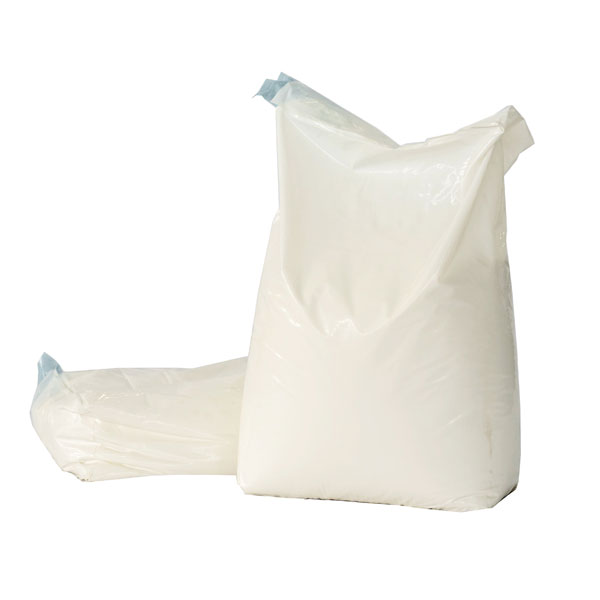
Unbranded 25kg neutral paper-plastic composite packaging, ideal for OEM distribution and re-labeling.
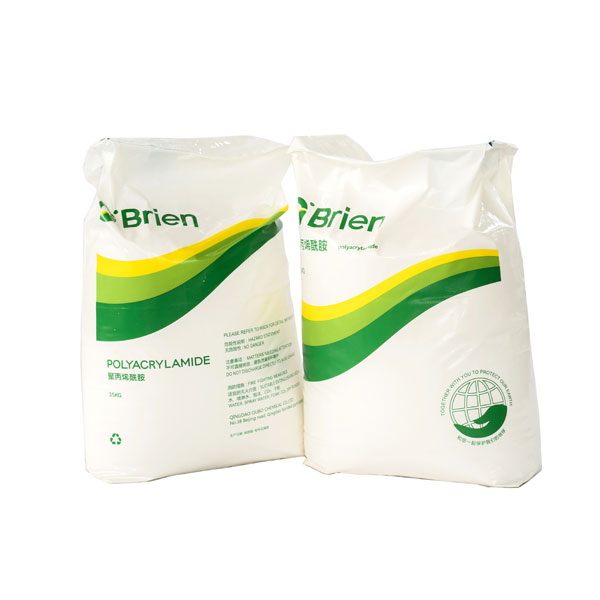
Heavy-duty 25kg multi-wall bag printed with official product specs, lot codes, and safety handling icons.
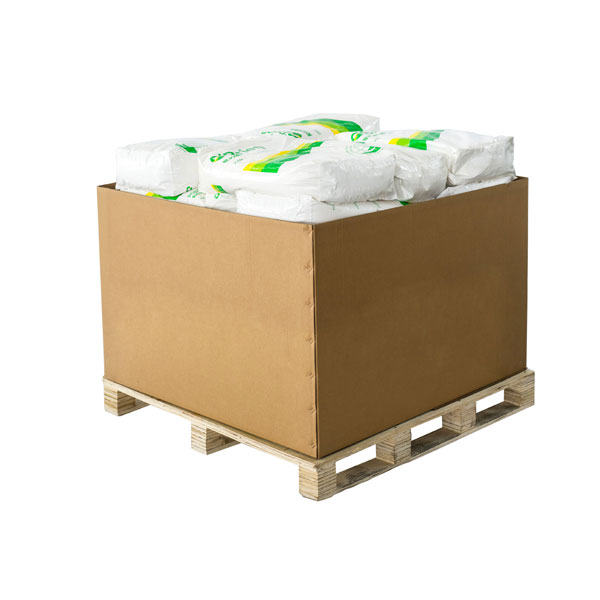
750kg - 1000kg industrial super-sacks engineered for automated high-capacity continuous feeder systems.
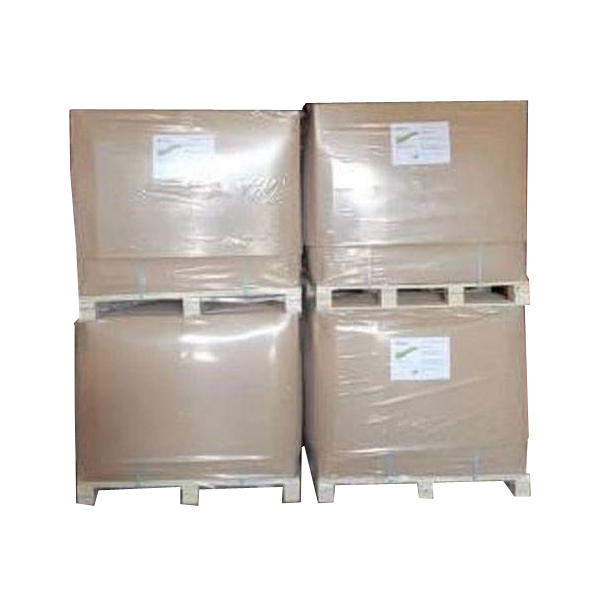
1.0 to 1.2 Metric Ton per pallet with heat-shrink plastic wrap, corner guards, and ISPM-15 export certification.
Expert Engineering Solutions for Polyacrylamide Handling, Preparation, and Troubleshooting
Answer: The 60-100 mesh range (150–250 μm) balances dissolution velocity with handling safety. Coarser powders (>50 mesh) require extended dissolution times (over 90 minutes) and risk forming undissolved gel lumps ("fish-eyes") that blind filter cloths and damage pumps. Finer powders (<120 mesh) create severe dust hazards, cake rapidly in humid storage, and suffer from gel-blocking upon hydration. 60-100 mesh yields 100% molecular dissolution within 40-45 minutes under standard agitation.
Answer: Standard commercial grade APAM typically ranges between 88% and 90% active polymer, with the remaining fraction consisting of residual salts, water, and synthesis by-products. Oubo's 95% Active Purity formulation provides higher charge density and longer effective polymer chains per unit weight. Field trials demonstrate that switching from 88% to 95% APAM allows plant operators to reduce chemical dosage by 15% to 22% while achieving faster settling rates and cleaner supernatant clarity.
Answer: APAM powder should be dissolved in clean, neutral water (pH 6.5–7.5) at a concentration of 0.1% to 0.3% (w/v). Water temperatures should be maintained between 15°C and 40°C; temperatures above 50°C induce thermal degradation of molecular chains. Dissolution tanks should utilize low-shear impellers operating at 200–400 RPM. Concentrated dry powder retains a shelf life of 24 months when stored in a cool, dry warehouse. Stock solutions should be consumed within 24 to 48 hours to prevent viscosity reduction due to biological decay.
Answer: Selection is strictly governed by the surface charge (zeta potential) of the suspended solids. Anionic APAM is engineered for inorganic suspensions with positive charge characteristics, such as sand, clay, coal slurry, mineral tailings, and silica. Cationic CPAM is required for organic sludges carrying negative surface charges, typical of municipal biological wastewater, food processing waste, and paper mill sludge. Nonionic NPAM performs best in highly acidic or neutral conditions where mineral surface charges are muted.
Answer: Oubo Chemical sources its primary monomers (acrylamide and acrylic acid) directly from global petrochemical leaders, including SINOPEC and Eni. Our plant operates fully automated, computer-controlled continuous polymerization lines equipped with in-line viscometers and mass spectrometers. Every production batch undergoes three distinct quality assurance inspections (raw monomer verification, post-polymerization gel testing, and final dried granule particle sizing) backed by ISO 9001:2008 documentation.
Explore Oubo's Full Technical Portfolio for Specialized Water and Industrial Processing
 Oubo Chemical