Explore our premium grade chemical agents synthesized for high-efficiency solid-liquid separation and industrial sludge management.
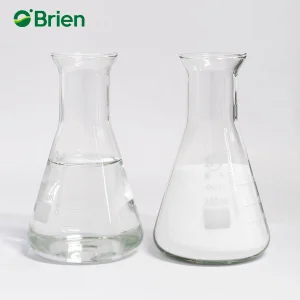
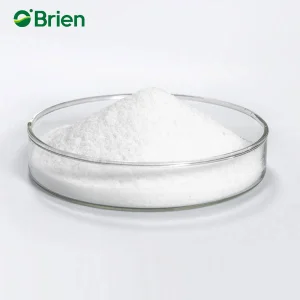
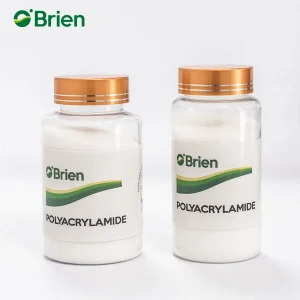
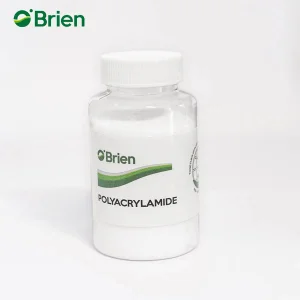
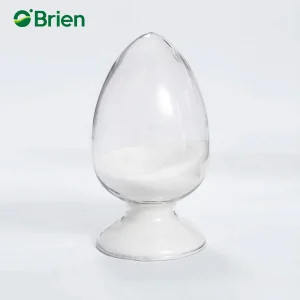
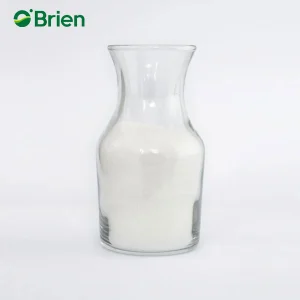
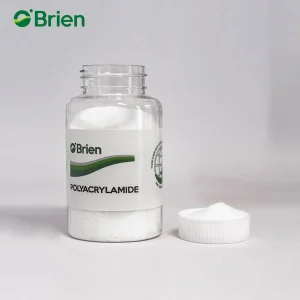
A deep dive into advanced coagulation dynamics, chemical structures, and enterprise water purification strategies.
In modern industrial wastewater management and municipal potable water production, achieving rapid, cost-effective, and ecologically compliant solid-liquid separation requires optimized chemical coagulation and flocculation systems. Among the primary inorganic coagulants utilized globally, 30% Polyaluminium Chloride (PAC 30% / 2pac formulations) stands out due to its superior polymeric structure, high charge density, and efficient neutralization of colloidal suspension charges.
Operating from the Qingdao Free Trade Zone in China, Oubo Chemical Co., Ltd (established in 2011) has established itself as an authoritative global manufacturer of high-purity Polyaluminium Chloride and versatile Polyacrylamide (PAM) resins. By integrating advanced biological synthesis routes with strict batch-by-batch Quality Assurance protocols, Oubo Chemical addresses complex aqueous purification challenges faced by industrial plants across Europe, the Americas, Asia-Pacific, and the Middle East.
30% Polyaluminium Chloride ($[Al_2(OH)_nCl_{6-n}]_m$) functions by destabilizing negatively charged suspended colloids via charge neutralization and electrostatic bridging. When combined with organic Polyacrylamide polymers, the resulting macro-flocs settle at rates up to 5 times faster than conventional single-agent systems, drastically reducing sludge volume and retention time in clarifiers.
When procuring 30% Polyaluminium Chloride from Chinese suppliers and factories, global procurement officers must evaluate critical chemical indicators including Aluminum Oxide ($Al_2O_3$) active percentage, basicity (hydroxyl ratio), water-insoluble matter, and heavy metal concentrations (lead, cadmium, arsenic). Below is the standard technical matrix maintained by Qingdao Oubo Chemical Co., Ltd:
| Chemical Parameter | Drinking Water Grade (PAC-01) | Industrial Grade (PAC-02) | Effluent / Sewage Grade (PAC-03) |
|---|---|---|---|
| Aluminum Oxide ($Al_2O_3$) Content | ≥ 30.0% | ≥ 29.0% - 30.0% | ≥ 28.0% - 30.0% |
| Basicity (%) | 40.0% – 60.0% | 50.0% – 85.0% | 60.0% – 90.0% |
| Water Insoluble Matter | ≤ 0.3% | ≤ 0.5% | ≤ 1.5% |
| pH Value (1% Aqueous Solution) | 3.5 – 5.0 | 3.5 – 5.0 | 3.5 – 5.5 |
| Appearance | Fine Light Yellow Powder | Yellow / Pale Yellow Powder | Dark Yellow / Brownish Powder |
| Heavy Metals (As Pb) | ≤ 0.001% | ≤ 0.003% | ≤ 0.005% |
Combining decade-long manufacturing experience, continuous technical innovation, and strategic raw material integration.
Oubo Chemical utilizes advanced biological synthesis methods for Polyacrylamide production, reducing environmental impact while yielding high molecular weight stability. Backed by annual R&D spending of over €2 million, our technological edge is protected by global patents.
Our supply chain integrity is safeguarded through strategic raw material sourcing from world-class petrochemical leaders like SINOPEC and Eni. Automated production lines ensure every batch meets rigorous purity standards.
Operating under ISO 9001:2008 standards, our Quality Control team subjects every lot to a 3-stage testing regime: raw material inspection, real-time reactor monitoring, and final pre-shipment performance screening.
Situated within the Free Trade Zone of Qingdao, China, Oubo leverages world-class maritime logistics. Annual production capacity exceeded 50,000 metric tons in 2018, securing seamless worldwide delivery.
Understanding the macro-economic and regulatory forces shaping Polyaluminium Chloride (2pac) demand across international markets.
The global market for Polyaluminium Chloride (PAC) and synthetic flocculants is experiencing robust expansion driven by increasingly stringent environmental regulations, expanding industrialization in emerging markets, and escalating global water scarcity. Industrial end-users are moving away from traditional alum and ferric salts toward high-basicity 30% PAC formulations due to lower residual aluminum concentrations, reduced sludge generation, and minimal impact on treated water pH.
Comprehensive applications of Oubo Polyacrylamide and Polyaluminium Chloride across diverse industrial ecosystems.
Used extensively as primary coagulants and sludge dewatering flocculants. Accelerates settlement, reduces chemical sludge cake volume, and clarifies raw water in municipal plants, leather tanneries, and pharmaceutical effluent facilities.
Functions as wet-end retention aids, drainage accelerators, and dry strength agents. Neutralizes anionic trash, improves fiber retention, enhances paper physical strength, and clarifies papermaking white water for recycling.
Vital for Enhanced Oil Recovery (EOR), profile control, fluid loss additives, and shale stabilization in drilling muds. Ensures viscosity retention under high temperature and shear conditions in onshore/offshore operations.
Serves as dedicated flocculants in coal washing, tailings dewatering, and solid-liquid separation during gold, silver, iron, copper, and nickel extraction through centrifugation and vacuum filtration.
Enhances juice clarification, syrup filtration, and flotation processes in sugar cane and sugar beet refineries, ensuring high food-grade safety standards and operational clarity.
Effective in decolorization and COD/BOD reduction. Cationic and Anionic PAM polymers rapidly bridge colloidal dye particles, enabling high-clarity effluent discharge.
Pioneering the next generation of eco-friendly, ultra-high molecular weight water treatment chemicals.
As industrial wastewater compositions become increasingly complex due to synthetic chemicals and tight regulatory discharge limits, traditional coagulants alone are no longer sufficient. Oubo Chemical is executing a forward-looking technological roadmap focused on three strategic pillars:
Moving beyond conventional chemical catalysts, Oubo continues to expand its patented bio-enzymatic synthesis process. This methodology eliminates unwanted reaction byproducts, reduces residual acrylamide monomer (acrylamide monomer content < 0.05%), and increases linear chain integrity for high molecular weight polymers exceeding 22 million Daltons.
Our research team is introducing specialized composite coagulants combining 30% Polyaluminium Chloride with micro-scale silica hydrosols (PAC-Si) and organic bio-polymers. These customized formulations yield superior turbidity removal in low-temperature, ultra-low turbidity raw water where traditional alum fails to form dense flocs.
In partnership with international water system integrators, Oubo Chemical provides comprehensive dosage curves, jar-test methodologies, and real-time streaming analytics parameters. By matching precise zeta-potential requirements with targeted cationic/anionic charge densities, clients reduce chemical consumption by 15% to 30% on average.
Robust moisture-proof packaging options tailored to maritime long-distance transit and automated unloading facilities.
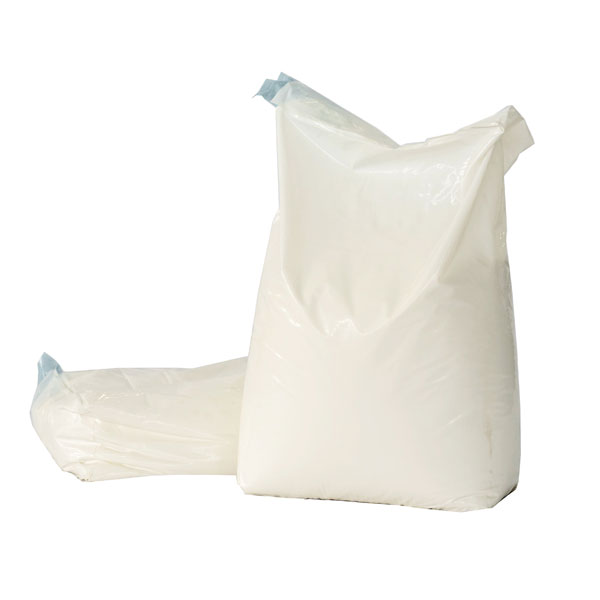
25kg woven bags with inner PE liners. Ideal for regional re-branding, distributors, and custom label requirements.
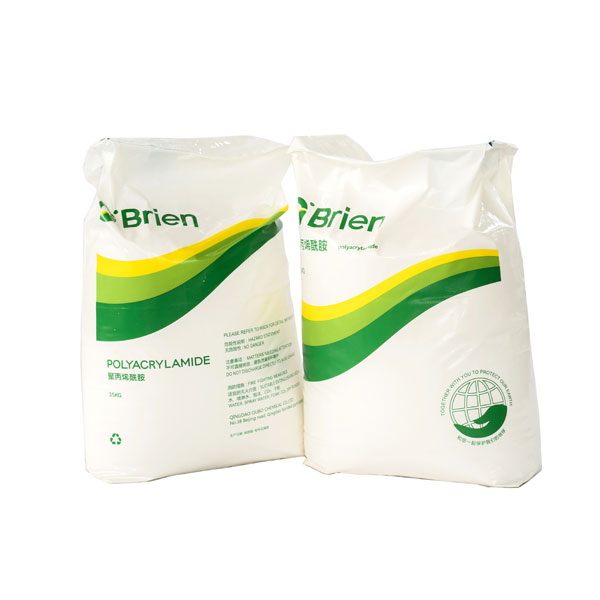
High-tensile PP outer bag with double-layer internal anti-moisture barrier, printed with standard international GHS hazard/handling markings.
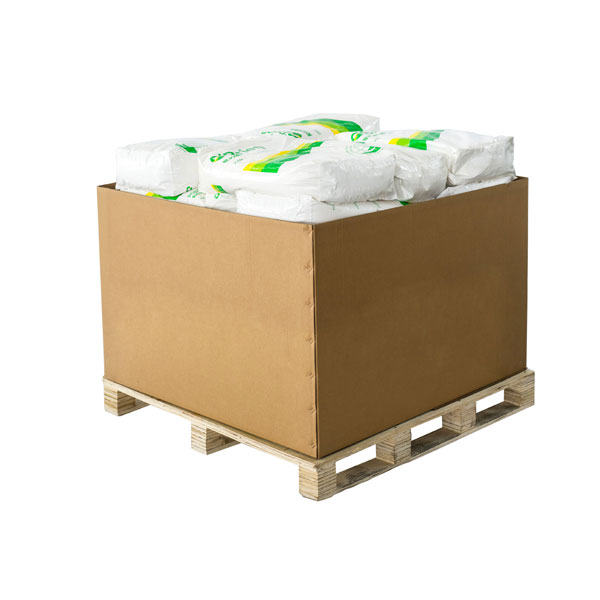
Heavy-duty FIBC ton bags designed for automated industrial dosing hoppers and high-volume mining or paper mill consumption.
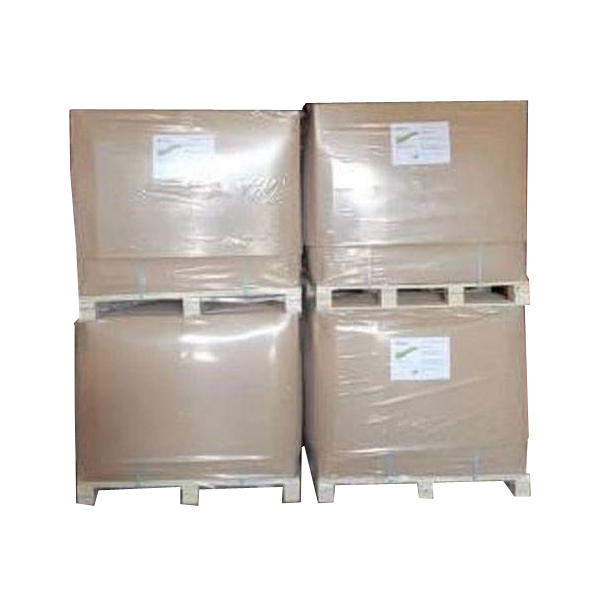
Fumigated wooden or plastic pallets, securely film-wrapped with edge protectors for containerized maritime shipments.
Direct answers to critical procurement, chemical dosing, and technical evaluation questions.
A 30% $Al_2O_3$ concentration represents the highest commercial purity grade for Polyaluminium Chloride powder. It ensures maximum charge density, efficient bridging action, low dosage consumption, and minimal insoluble residue, making it safe for municipal drinking water standard compliance.
30% PAC acts as a primary coagulant to neutralize the electrostatic charge of suspended particles and break colloidal stability. Once fine micro-flocs form, Polyacrylamide (PAM) is introduced as a secondary flocculant to bridge these micro-flocs into large, dense macro-flocs for rapid sedimentation or centrifugation.
Anionic PAM (APAM) is typically paired with PAC for inorganic suspensions like mineral processing, sand washing, and high-pH wastewater. Cationic PAM (CPAM) is selected for highly organic effluents such as biological sewage sludge, food processing, and municipal sludge dewatering. Nonionic PAM (NPAM) is used in strongly acidic environments.
When stored in original sealed packaging in a cool, dry, ventilated warehouse away from direct sunlight and heat, PAC powder has a shelf life of 2 years, while solid PAM powder remains stable for up to 2 years. Prepared aqueous solutions should be utilized within 24 to 48 hours for maximum activity.
Yes. Qingdao Oubo Chemical Co., Ltd operates specialized reaction lines capable of tailoring Polyacrylamide molecular weights from 3 Million to 25 Million Daltons, and ionic charge degrees from 5% to 80% based on customer laboratory jar tests and raw wastewater analysis.
With our factory located in Qingdao Free Trade Zone, FOB ocean vessel loading usually occurs within 7 to 10 days of order confirmation. Transit times range from 10 to 30 days depending on the destination port in Europe, the Americas, Africa, or Southeast Asia.
Select specialized polyacrylamide variants engineered for dedicated paper strength, oilfield drilling, and tailings management.
 Oubo Chemical