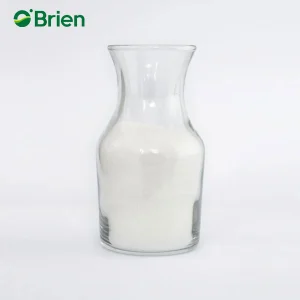
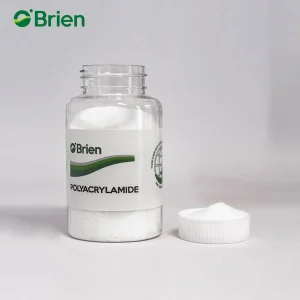
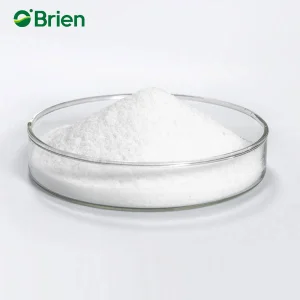
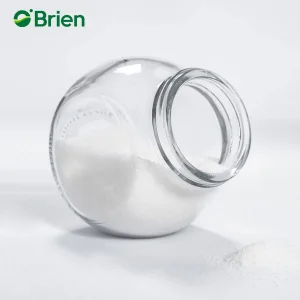
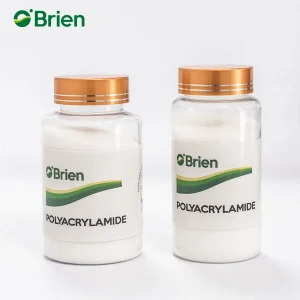
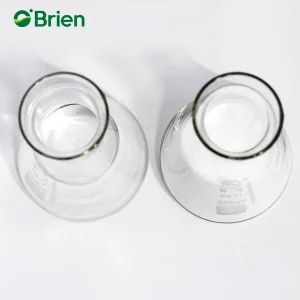
Premium nonionic polyacrylamide solutions engineered for acidic effluent treatment, oilfield EOR, and heavy tailings dewatering across India.
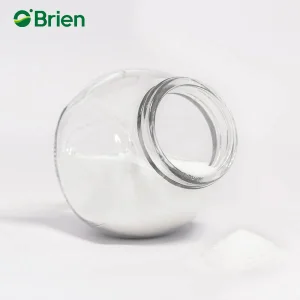
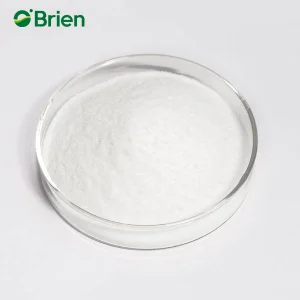
An authoritative technical analysis of Nonionic Polyacrylamide (NPAM, CAS 9003-05-8) polymer behavior, molecular weight dynamics, and hydrogen bonding mechanisms in complex aquatic matrices.
Nonionic Polyacrylamide (NPAM) is a linear water-soluble polymer synthesized from acrylamide monomers with negligible ionic charges on its polymer backbone. Unlike Anionic Polyacrylamide (APAM) carrying carboxylate group charges or Cationic Polyacrylamide (CPAM) with quaternary ammonium charges, NPAM relies predominantly on high-density amide groups ($-\text{CONH}_2$). These amide groups form intensive hydrogen bonds with surface hydroxyl groups of suspended solids, enabling swift micro-flocculation without altering the zeta potential of suspended particles.
The defining technical superiority of NPAM lies in its chemical stability across extreme pH environments, particularly under strongly acidic conditions ($\text{pH} < 4$). Under acidic regimes, APAM undergoes protonation ($\text{--COO}^- \rightarrow \text{--COOH}$), leading to complete loss of electrostatic attraction and chain collapse. Conversely, NPAM retains its full uncharged macromolecular configuration, allowing unhindered bridging flocculation in mineral leaching liquors, textile dye baths, and acidic industrial effluents.
Analyzing the macroeconomic and environmental factors driving high-purity polymer demand across major Indian industrial corridors.
The Central Pollution Control Board (CPCB) of India has mandated stringent Zero Liquid Discharge (ZLD) regulations for highly polluting sectors including textiles, paper, pharmaceuticals, and chemicals. In regions like Gujarat (Vapi, Ankleshwar), Tamil Nadu (Tirupur), and Maharashtra, industrial plants must recycle over 95% of process water. High-performance NPAM accelerates primary clarification and sludge dewatering, significantly cutting membrane fouling downstream in reverse osmosis (RO) units.
India’s rich mineral reserves across Jharkhand, Odisha, Chhattisgarh, and Rajasthan have seen massive capital expenditure under the "Make in India" initiative. Beneficiation of iron ore, bauxite, alumina, and coal processing requires specialized flocculants for tailings settling. NPAM provides unmatched settling rates for fine mineral slimes in acidic leaching circuits, ensuring rapid water recovery and high-density underflow discharge.
As a global textile manufacturing titan, India's processing clusters generate large volumes of complex dye-house effluent containing synthetic dyes, sizing starches, and heavy metals. NPAM acts as an exceptional retention aid and textile sizing modifier. In paper mills (Uttar Pradesh, Andhra Pradesh), NPAM enhances wet-end fiber retention, reduces filler loss, and improves sheet formation aesthetics.
How Oubo Chemical leverages biological monomer synthesis, automated production lines, and direct maritime logistics to supply Indian industries with unmatched quality and speed.
Oubo Chemical employs advanced biological enzyme catalytic technology for monomer acrylamide production, replacing traditional chemical copper-catalyst routes. This process yields ultra-pure acrylamide with virtually zero toxic impurities and minimal residual monomer content (<0.05%), resulting in exceptionally high molecular weight polymers (8-15 Million Daltons) with superior solubility and non-toxic profiles ideal for sensitive application sectors.
Located in the Free Trade Zone of Qingdao, China, Oubo Chemical benefits from direct access to deep-water shipping corridors. We maintain established logistics pipelines servicing major Indian ports including Nhava Sheva (Mumbai), Mundra (Gujarat), Chennai, and Kolkata. Custom palletization, moisture-proof tropical packaging, and rapid documentation ensure hassle-free customs clearance and inventory continuity for Indian manufacturing enterprises.
Detailed field implementation protocols for Nonionic Polyacrylamide across core Indian industry sectors.
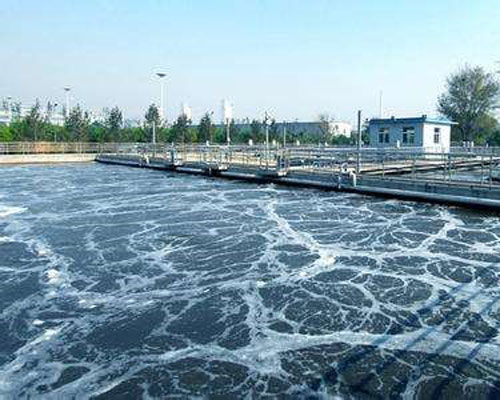
In chemical processing, galvanizing, and battery manufacturing plants across Maharashtra and Gujarat, wastewater often exhibits $\text{pH} < 4$. NPAM effectively aggregates fine suspended colloids into large, rapid-settling flocs without requiring expensive lime neutralization pre-treatment, saving operational expenditure.
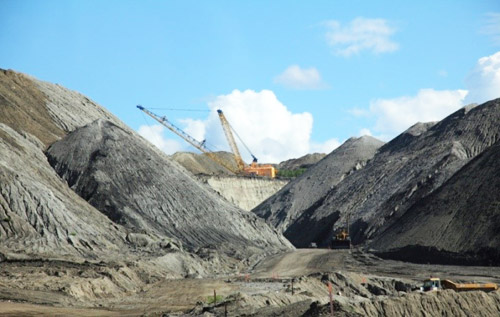
Coal washeries in Jharkhand and iron ore processing units in Odisha generate high-turbidity slurry. NPAM facilitates high-rate thickener performance, producing clear overflow water for immediate recycling while concentrating sludge for belt press or filter press dewatering.
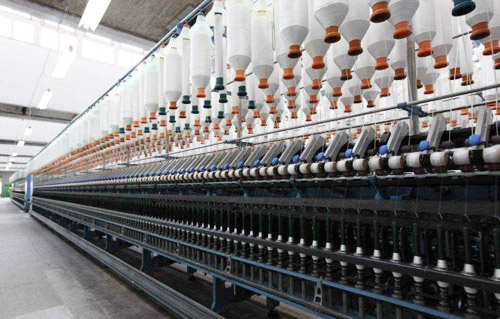
In textile centers like Tirupur and Surat, NPAM serves a dual purpose: as a starch-blended sizing agent to enhance yarn smooth elasticity during weaving, and as a coagulant aid in physicochemical wastewater treatment tanks to remove suspended solids and color complexes.
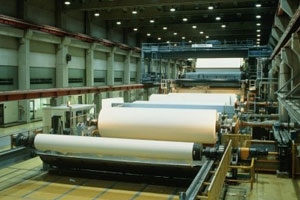
Indian paper mills utilizing recycled pulp experience heavy fines accumulation. NPAM acts as a highly efficient retention aid and drainage promoter, capturing short fibers and titanium dioxide fillers while improving paper burst strength and tensile indexes.
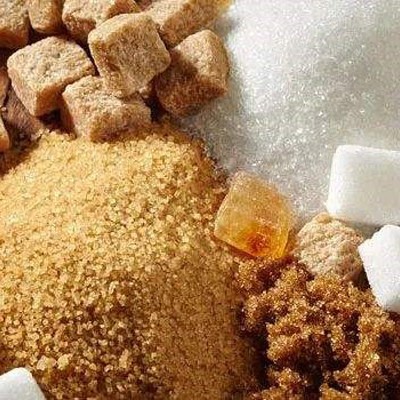
Sugar mills in Uttar Pradesh and Maharashtra rely on high-grade food-safe NPAM during raw cane juice clarification. It rapidly coagulates organic impurities and suspended particulate matter under thermal conditions without leaving harmful chemical residues in refined sugar products.
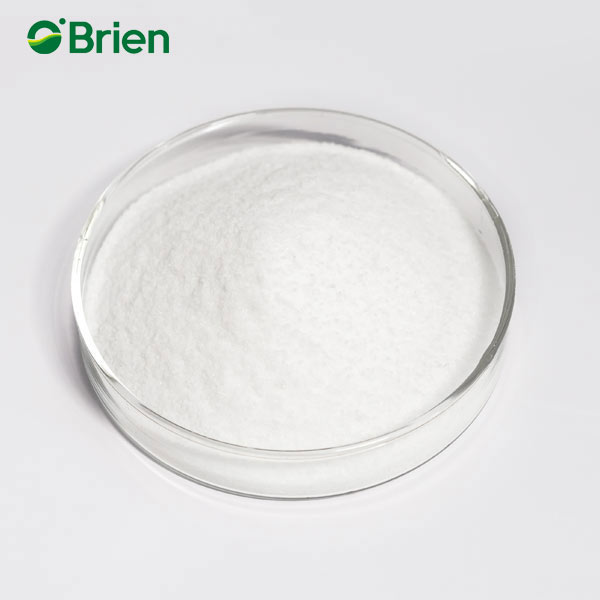
In ONGC and private oil exploration fields (Cambay Basin, Assam), NPAM functions as a viscosity modifier and fluid-loss reducer in drilling mud formulations, protecting shale formations from swelling and stabilizing boreholes under high temperatures.
Detailed physical-chemical properties and functional comparison against Anionic and Cationic polyacrylamide grades.
| Property / Parameter | Nonionic PAM (NPAM) | Anionic PAM (APAM) | Cationic PAM (CPAM) |
|---|---|---|---|
| Ionic Charge Type | Nonionic (Neutral) | Anionic (Negative) | Cationic (Positive) |
| Molecular Weight (Million) | 8 - 15 Million Daltons | 10 - 22 Million Daltons | 6 - 12 Million Daltons |
| Degree of Hydrolysis | < 5% (Ultra Low) | 10% - 40% | 10% - 60% (Charge Density) |
| Optimal Operating pH Range | 1.0 - 8.0 (Acidic & Neutral) | 7.0 - 14.0 (Alkaline) | 3.0 - 7.0 (Organic Sludge) |
| Primary Bridging Mechanism | Hydrogen Bonding via Amide | Charge Neutralization + Bridging | Strong Charge Attraction |
| Best Indian Industry Fit | Acidic Effluents, Mining Slimes, Textiles | Municipal Sewage, Marble Slurry | Biological Sludge Dewatering (ETP/STP) |
World-class quality control, direct factory pricing, and localized technical field support for Indian importers.
Established in 2011 in the Qingdao Free Trade Zone, Oubo Chemical is a premier global manufacturer of Polyacrylamide. We utilize patented biological synthesis and invest over €2 Million annually in R&D technical innovation.
Global raw material sourcing from tier-1 suppliers like SINOPEC and Eni. Fully automated production lines backed by ISO9001 certification. Every single lot undergoes 3 rigorous QC inspections prior to container dispatch.
Over a decade of dedicated focus on polyacrylamide polymer formulation. Direct-from-factory business model eliminates middleman margins, offering Indian procurement teams superior cost-to-performance efficiency.
Our dedicated chemical application engineers assist Indian clients across pre-sales jar testing, molecular weight selection, plant dosage optimization, and troubleshooting after-sales service.
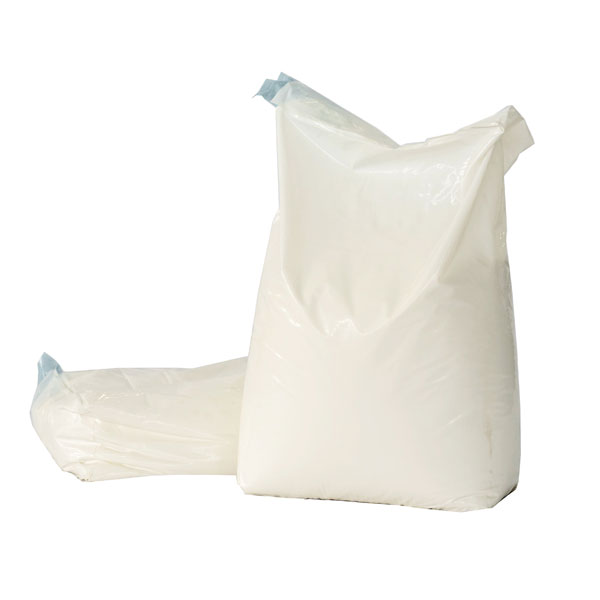
Ideal for re-branding or unbranded distributor imports into India.
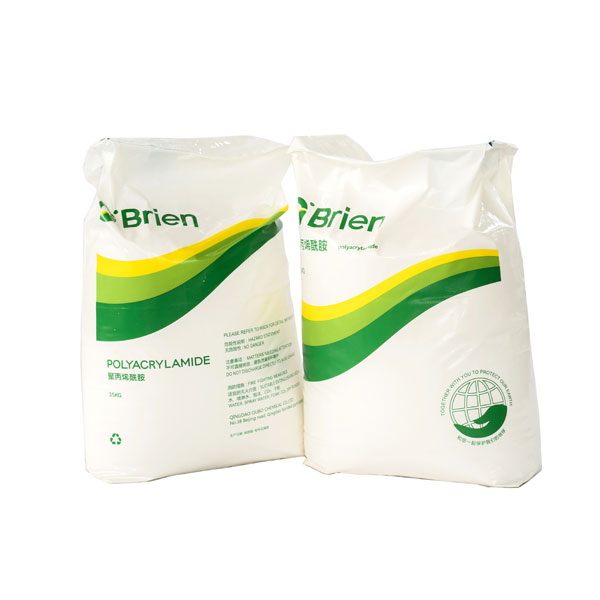
Multi-layer Kraft paper bag with PE inner moisture barrier.
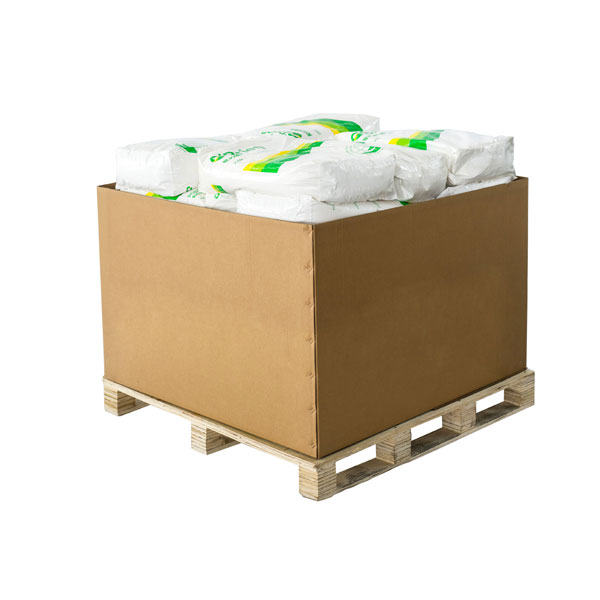
Designed for high-volume mining and continuous industrial dosing.
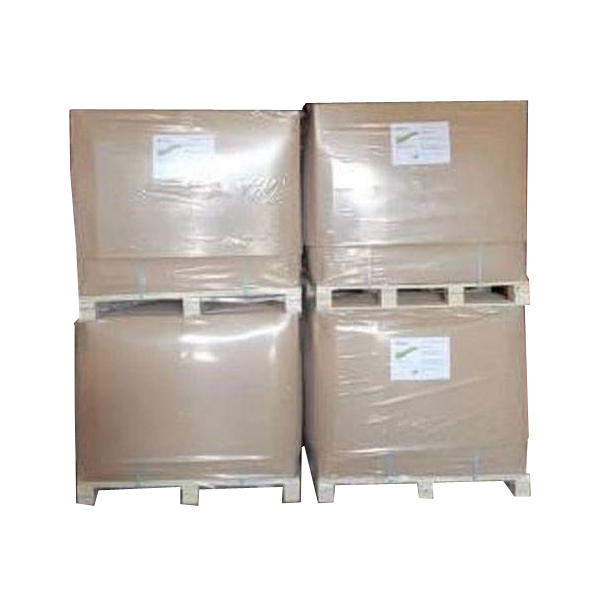
Shrink-wrapped, palletized units for safe multi-modal transit to India.
Explore our complete portfolio of Cationic, Anionic, and Nonionic Polyacrylamide products designed for diverse industrial applications.
Addressing technical, operational, and supply chain queries commonly raised by Indian chemical engineers and purchasing managers.
Connect with Oubo Chemical’s technical export team to request direct factory quotes, MSDS/TDS documentation, and free testing samples for your Indian facilities.
Send Inquiry Now Oubo Chemical