High-molecular-weight non-ionic polymers formulated specifically for extreme pH, high-salinity, and complex solid-liquid separation tasks across Nigerian industries.
An authoritative analysis of Nonionic Polyacrylamide (NPAM) polymer physics, hydrolysis control, and solution behavior in challenging tropical industrial environments.
Nonionic Polyacrylamide (NPAM) is a linear, water-soluble high polymer formed by the free-radical polymerization of acrylamide monomer ($C_3H_5NO$). Unlike its ionic counterparts—Anionic Polyacrylamide (APAM) carrying negative carboxylate groups and Cationic Polyacrylamide (CPAM) bearing quaternary ammonium salts—NPAM maintains a net electrical neutral status across its macromolecular chain. This fundamental structural feature yields unique chemical stability in highly acidic, saline, or metal-ion-dense aqueous media where ionic flocculants suffer severe charge suppression or premature precipitation.
Because the polymer backbone relies on non-ionic amide groups ($-\text{CONH}_2$), it forms hydrogen bonds with suspended particles rather than electrostatic attraction. It maintains high flocculation efficiency in solutions with pH ranging from 1 to 8.
Oubo Chemical’s proprietary bio-catalytic synthesis limits hydrolytic degradation during manufacturing, delivering a degree of hydrolysis under 5%. This maximizes molecular weight stability (8 Million to 15 Million Daltons) in high-temperature environments.
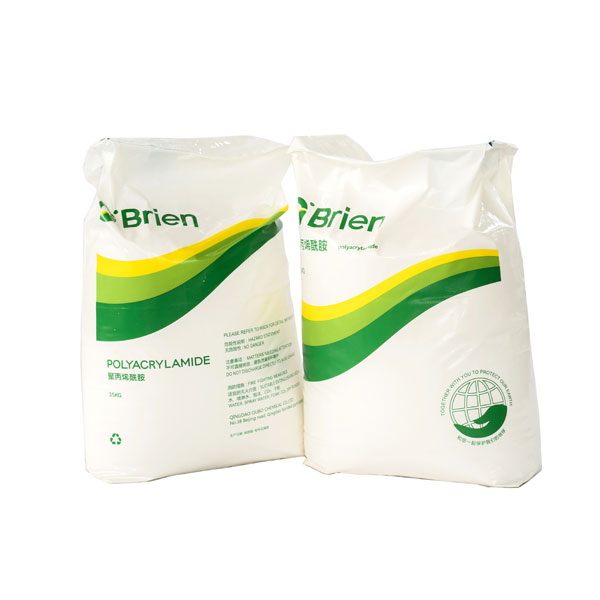
Engineered for high temperature and humidity tolerance, our granulated NPAM resists agglomeration during long transit and storage across West Africa, maintaining 100% active polymer solubility upon hydration.
The operational success of Nonionic Polyacrylamide in industrial processes hinges on strict control of molecular mass distribution, insoluble matter content, and dissolution kinetics. Below is the standardized technical specification sheet for Oubo Chemical’s NPAM portfolio supplied to the Nigerian market:
| Technical Index | NPAM Standard Grade | NPAM Oilfield Drilling Grade | NPAM Acidic Flocculant Grade |
|---|---|---|---|
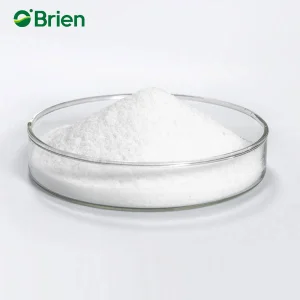
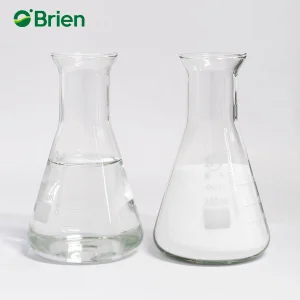
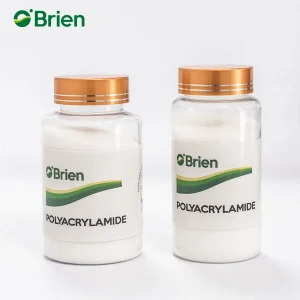
| Appearance | White Granulate / Powder | White Granulate | White Granulate |
| Molecular Weight (Million Daltons) | 8.0 - 12.0 | 10.0 - 15.0 | 6.0 - 10.0 |
| Solid Content (%) | ≥ 89.0% | ≥ 90.0% | ≥ 89.0% |
| Degree of Hydrolysis (%) | ≤ 5.0% | ≤ 3.0% | ≤ 4.0% |
| Dissolution Time (Minutes) | ≤ 60 Mins (Clean Water) | ≤ 90 Mins (Brine/Freshwater) | ≤ 50 Mins (Acidic Water) |
| Residual Monomer (Acrylamide) | ≤ 0.05% | ≤ 0.05% | ≤ 0.05% |
| Insoluble Matter (%) | ≤ 0.2% | ≤ 0.15% | ≤ 0.2% |
In acidic wastewater (such as chemical processing, metal etching, or acidic mining runoff), hydrogen ions ($H^+$) saturate the solution, causing conventional anionic polymers to coil tightly and lose their flocculating capacity. Nonionic Polyacrylamide utilizes the vast density of lone-pair electrons on the amide nitrogen and oxygen atoms to form extensive hydrogen bonds with surface hydroxyl groups on mineral particulates. This creates ultra-strong multi-particle bridges, resulting in rapid micro-floc aggregation and crystal-clear supernatant recovery.
From the offshore oil platforms of Port Harcourt to the manufacturing corridors of Lagos and Ogun State, Oubo Chemical tailors polymer performance to local environmental conditions.
In Port Harcourt, Warri, and offshore Niger Delta wells, NPAM serves as a key rheology modifier and clay-shale stabilizer. It encapsulates reactive formations, prevents bit balling, reduces fluid loss in high-salinity drilling muds, and enhances viscosity stability under downhole geothermal shear.
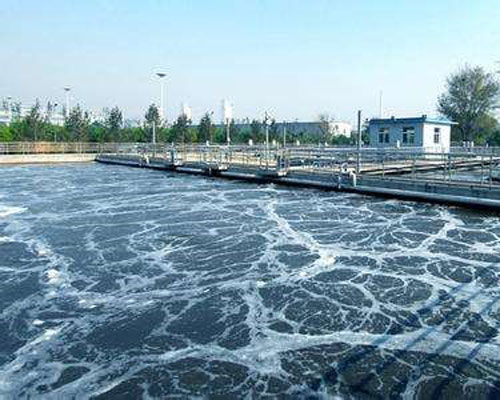
Manufacturing facilities across Ikeja, Agbara, and Sagamu face stringent FEPA/NESREA environmental discharge limits. Our NPAM accelerates solid-liquid separation in acidic effluents from textile dyeing, tannery processing, beverage manufacturing, and municipal water purification.
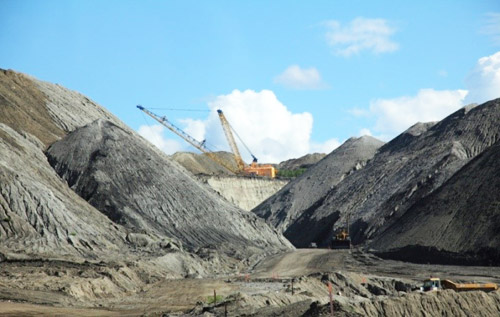
Nigeria’s expanding tin, columbite, gold, and iron ore extraction operations require efficient tailings thickening. NPAM promotes high settling velocity of fine ore slurries, enabling closed-loop water recycled systems and dry-stack tailings dewatering.
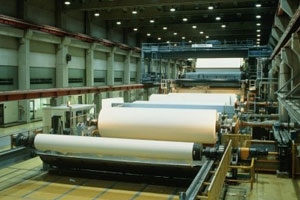
NPAM functions as an exceptional paper dry-strength agent, filler retention aid, and white-water clarifier in Nigerian paper mills, significantly reducing fiber loss, reducing energy consumption during sheet drying, and enhancing sheet burst resistance.
How Oubo Chemical ensures consistent supply, competitive ocean freight rates, and tropical-grade packaging for Nigerian procurement directors.
Qingdao Oubo Chemical Co., Ltd. operates within the Free Trade Zone of Qingdao, China. Benefiting from strategic feedstock partnerships with top monomer producers like SINOPEC and Eni, we maintain 100% control over acrylamide monomer quality. Our annual production capacity exceeded 50,000 Metric Tons in 2018, supported by continuous automated production lines and triple-stage batch testing by our dedicated QC engineering team.
By employing patented biological synthesis methods for monomer conversion, our nonionic polyacrylamide achieves lower unreacted acrylamide content, superior chain length uniformity, and zero thermal degradation during polymerization.
Navigating West African maritime logistics demands experienced freight management. Oubo Chemical provides seamless FOB, CFR, and CIF delivery routes direct from Qingdao Port to major Nigerian entry points:
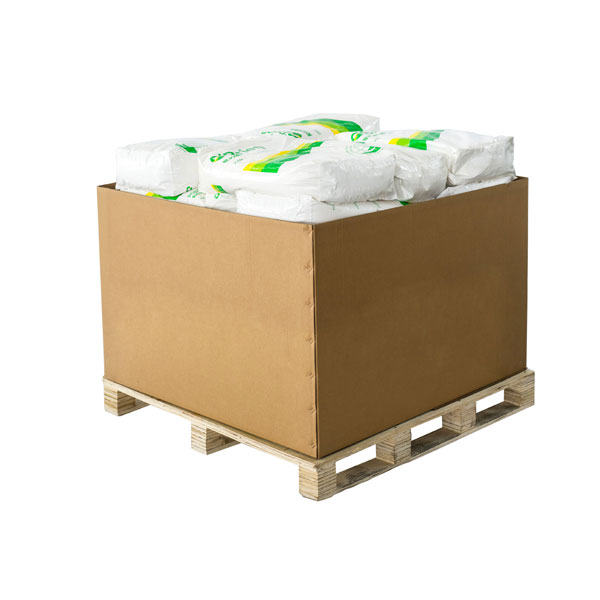
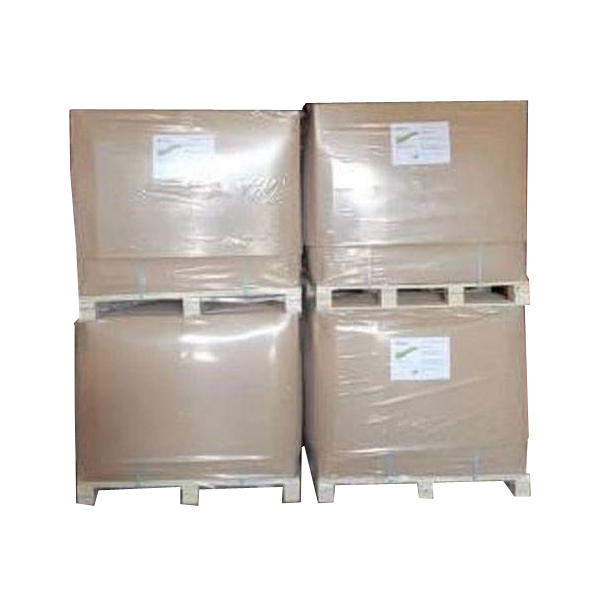
High ambient humidity and elevated temperatures in West African warehouses can lead to moisture absorption and polymer caking if packaging is compromised. Oubo Chemical utilizes multi-layer reinforced barrier packaging:
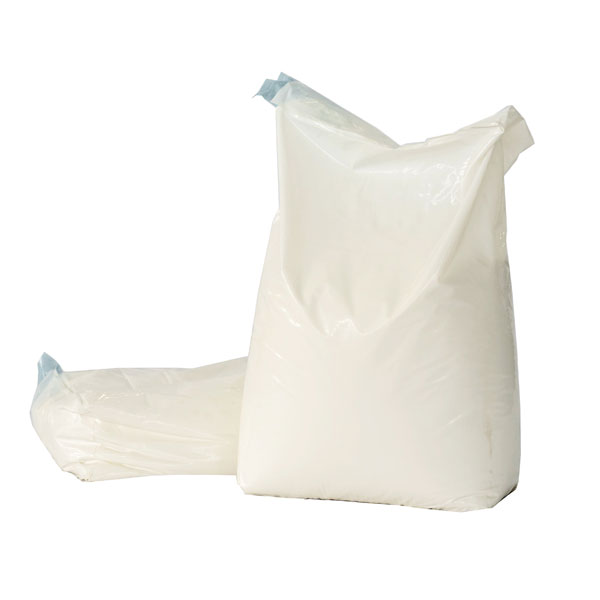
Select from our complete range of Nonionic, Anionic, and Cationic polymers tailored for wastewater treatment, oil recovery, and mining applications.
Maximizing polymer activity and minimizing operational expenditure in West African plant environments.
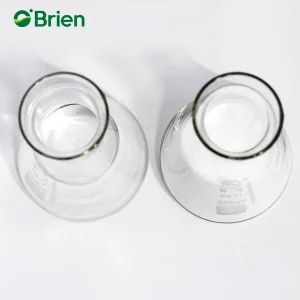
Polyacrylamide powder must be properly uncoiled and dissolved in clean water before addition into treatment systems. Improper mixing leads to "fish-eyes" (undissolved gel lumps) that waste active material and clog dosing pumps.
Field dosage varies based on suspended solids concentration, particle charge density, and mechanical dewatering equipment (Centrifuge, Belt Filter Press, Plate Press):
| Application Sector | Recommended Stock Concentration | Typical Field Dosage Rate |
|---|---|---|
| Oilfield Drilling Mud | 0.2% - 0.5% | 0.1 - 0.3% of total fluid volume |
| Acidic Wastewater Settling | 0.1% - 0.2% | 1.0 - 5.0 PPM (g/ton effluent) |
| Mining Tailings Thickening | 0.1% - 0.2% | 10 - 50 grams / ton dry solids |
| Paper Mill Wet End | 0.05% - 0.1% | 0.02% - 0.1% of dry pulp weight |
Direct answers regarding procurement, sample testing, customs clearings, and product selection.
 Oubo Chemical