Engineered specifically for low pH industrial wastewater, mineral processing, and oilfield applications across New Zealand's industrial hubs.
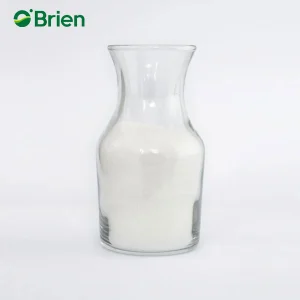
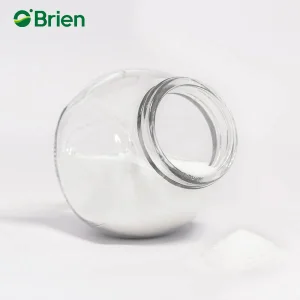
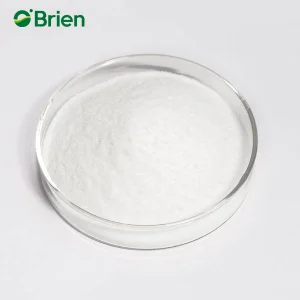
An authoritative analysis of polymer chemistry, regional demand factors, and advanced industrial separation technologies customized for Aotearoa's unique regulatory & ecological ecosystem.
Nonionic Polyacrylamide (NPAM) is a linear water-soluble polymer synthesized via the homopolymerization of acrylamide monomers without charged functional groups (CAS No. 9003-05-8). Unlike Anionic Polyacrylamide (APAM) or Cationic Polyacrylamide (CPAM), NPAM carries a net neutral charge across its molecular chain. This absence of ionic charge density grants NPAM extraordinary chemical stability, making it exceptionally effective in acidic solution conditions, high-salinity industrial process streams, and complex aqueous environments where charged polymers undergo coil contraction or precipitation.
The primary bridging mechanism of NPAM relies on hydrogen bonding between its abundant neutral amide groups (-CONH2) and the hydroxyl, oxide, or silicate groups on the surface of suspended solid particles. Because the polymer chain remains extended even under acidic or elevated ionic strength conditions, NPAM creates large, dense flocs with rapid settling rates and low sludge cake moisture content.
New Zealand’s industrial landscape presents highly specialized water treatment and solids-liquids separation challenges. From the massive dairy processing hubs in Waikato, Taranaki, and Canterbury, to mineral extraction in the West Coast and Waihi, and timber and pulp operations in the Bay of Plenty, industrial operators face stringent discharge guidelines mandated by regional councils under the Resource Management Act (RMA) and the National Policy Statement for Freshwater Management (NPS-FM).
For New Zealand plant managers and process engineers, selecting the optimal chemical flocculant is critical to achieving target Total Suspended Solids (TSS) reduction, Chemical Oxygen Demand (COD) reduction, and effective sludge dewatering while minimizing chemical dosage costs. Oubo Chemical’s advanced NPAM series is specifically formulated to withstand low pH acidic mineral liquors, high-fat dairy effluent emulsions, and silica-rich geothermal process waters common throughout New Zealand.
Tailored technical solutions engineered to overcome operational challenges in primary Kiwi industrial sectors.
New Zealand dairy plants process millions of liters of milk daily, generating complex wastewater rich in milk fats, proteins, and wash-down chemicals. When treated under acidic pH adjustment for fat/protein precipitation, conventional anionic polymers fail due to charge neutralization. Oubo’s Nonionic Polyacrylamide provides high-efficiency bridging without charge interference, enabling rapid liquid-solid separation in Dissolved Air Flotation (DAF) units and belt filter presses in processing centers across the Waikato and Southland regions.
In gold, silica sand, and mineral processing operations (e.g., Coromandel Peninsula and West Coast), extraction processes often yield highly acidic tailing slurries (pH 1.5 - 4.5). Oubo NPAM maintains maximum hydrodynamic volume and structural integrity under high hydronium ion concentrations, accelerating tailing thickener settling rates, clarifying wash liquor for reuse, and meeting regional environmental discharge limits.
New Zealand’s forestry and wood processing industries produce substantial volumes of white water effluent containing wood micro-fibers, pitch, and inorganic fillers. NPAM serves as a dual-action retention aid and save-all clarifier flocculant. By enhancing short-fiber retention on the wire, NPAM improves sheet formation, reduces raw material loss, and clarifies process water for closed-loop recycling in major mills across the Bay of Plenty.
In the geothermal power stations surrounding Taupo and Rotorua, silica scaling and colloidal silica removal pose critical operational challenges. Nonionic polyacrylamide effectively bridges colloidal silica particulates at elevated temperatures without thermal degradation, facilitating rapid sedimentation in clarifiers and protecting reinjection wells from silicate fouling.
Metropolitan water utilities across Auckland, Christchurch, and Wellington demand high-purity coagulant aids for raw water treatment during heavy rain events. Oubo's NPAM, manufactured with strictly controlled residual acrylamide monomer (<0.05%), provides low-turbidity drinking water clarification and highly effective sludge conditioning prior to centrifuge or belt filter press dewatering.
For civil construction, roading projects, and forestry haul roads across New Zealand's rugged terrain, spraying dilute NPAM solutions forms a flexible, water-resistant soil crust. This prevents erosion, reduces sediment runoff into local waterways, and satisfies Regional Council environmental compliance standards.
Comparative engineering analytics demonstrating NPAM behavior against Anionic and Cationic polyacrylamides under severe industrial conditions.
| Polymer Parameter | Nonionic PAM (NPAM) | Anionic PAM (APAM) | Cationic PAM (CPAM) |
|---|---|---|---|
| Ionic Charge Type | Neutral (0%) | Negative (5% - 40%) | Positive (10% - 80%) |
| Molecular Weight (Daltons) | 8 Million - 15 Million | 10 Million - 22 Million | 6 Million - 12 Million |
| Effective pH Operating Range | 1.0 - 8.0 (Acid Resistant) | 6.0 - 14.0 (Alkaline Preferred) | 3.0 - 9.0 (pH Sensitive) |
| Primary Flocculation Mechanism | Hydrogen Bonding & Bridging | Charge Neutralization + Bridging | Electrostatic Charge Neutralization |
| Salt / Electrolyte Resistance | Excellent (No Coil Contraction) | Moderate (Precipitates in Ca/Mg) | Fair (Shielded by anions) |
| Best New Zealand Application | Dairy effluent, Acidic mining, Silica removal | Coal tailings, Neutral mineral washing | Bio-sludge centrifuges, Municipal waste |
Empowering New Zealand industries through world-class manufacturing scale, biological monomer synthesis, and seamless trans-Pacific logistics.
Oubo Chemical Co., Ltd was established in 2011 in the Free Trade Zone of Qingdao, China. Unlike conventional chemical catalyst processes that introduce copper or unwanted heavy metal impurities, Oubo utilizes patented biological enzymatic technology to convert acrylonitrile into high-purity acrylamide monomer.
This bio-method produces acrylamide with ultra-high purity, enabling the synthesis of Nonionic Polyacrylamide with extremely high molecular weights (up to 15 Million Daltons) and extremely low residual monomer content (<0.05%). This process purity is critical for meeting New Zealand’s stringent environmental and health safety regulations.
Our strategic supply chain partnerships with global petrochemical giants such as SINOPEC and Eni guarantee consistent, premium-grade raw material inputs. Operating automated, state-of-the-art production lines, Oubo achieved an annual polyacrylamide output exceeding 50,000 Metric Tons.
Every batch of Oubo polymer undergoes a 3-stage Quality Control (QC) protocol under our ISO9001:2008 certified quality management system: batch monomer purity testing, intrinsic viscosity determination, and application performance simulation. This rigorous testing ensures consistent performance across every shipment delivered to New Zealand ports.
Navigating hazardous substance regulations, storage logistics, and environmental stewardship together.
Our technical compliance team ensures that all nonionic polyacrylamide products exported to New Zealand conform fully to the Environmental Protection Authority (EPA) regulations and Hazardous Substances and New Organisms (HSNO) Act specifications.
We provide complimentary benchtop jar-testing services for New Zealand clients. Send your wastewater or slurry samples to our testing center, and our technical engineers will determine the precise NPAM grade and optimal dosage rate for your facility.
To prevent moisture absorption during tropical ocean transit to New Zealand, all products are packed in heavy-duty 25kg multi-wall paper-plastic bags with inner PE liners, or 750kg/1000kg FIBC jumbo bags, fully palletized and shrink-wrapped.
Explore our full line of Nonionic, Anionic, and Cationic polymers available for direct delivery to New Zealand ports.
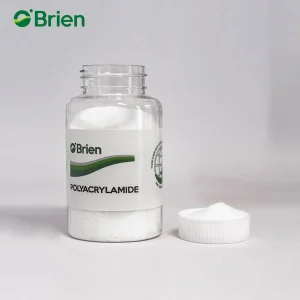
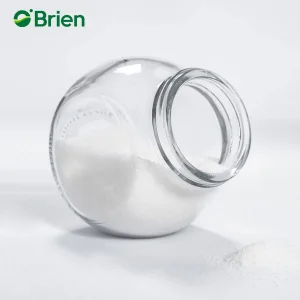
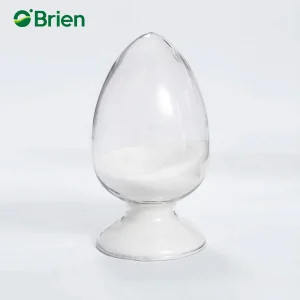
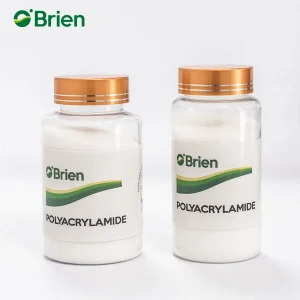
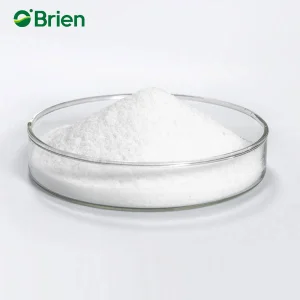
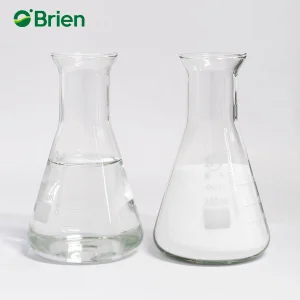
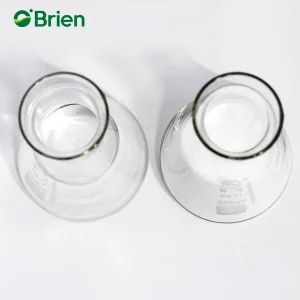
Engineered packaging designed for long-distance maritime transport and easy warehouse handling in New Zealand.
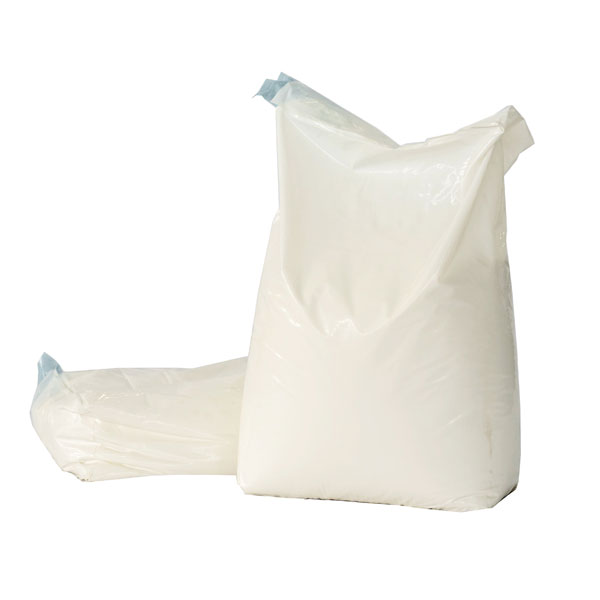
Custom neutral OEM packaging options available upon request.
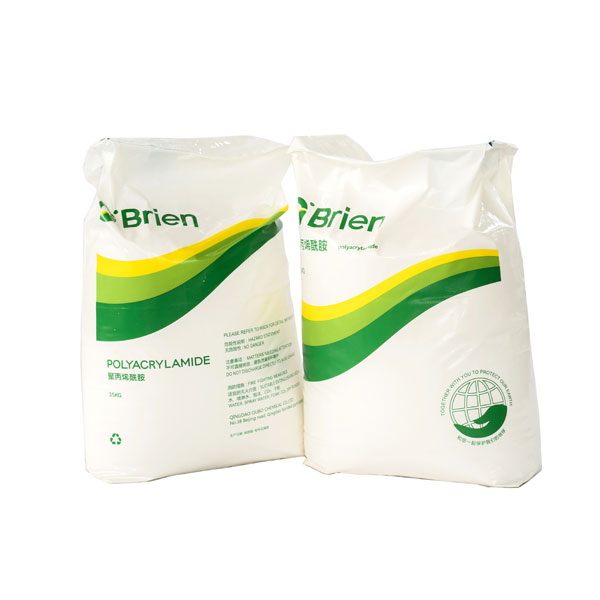
Multi-layer craft paper with inner PE moisture barrier liner.
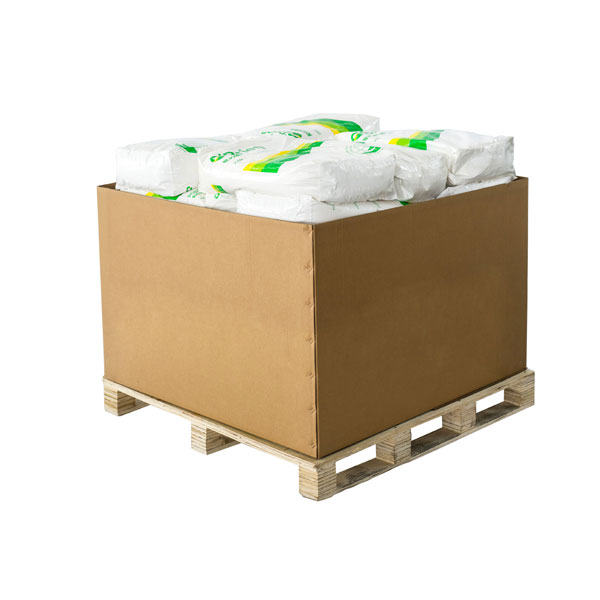
750kg / 1000kg big bags for high-volume automated dosing plants.
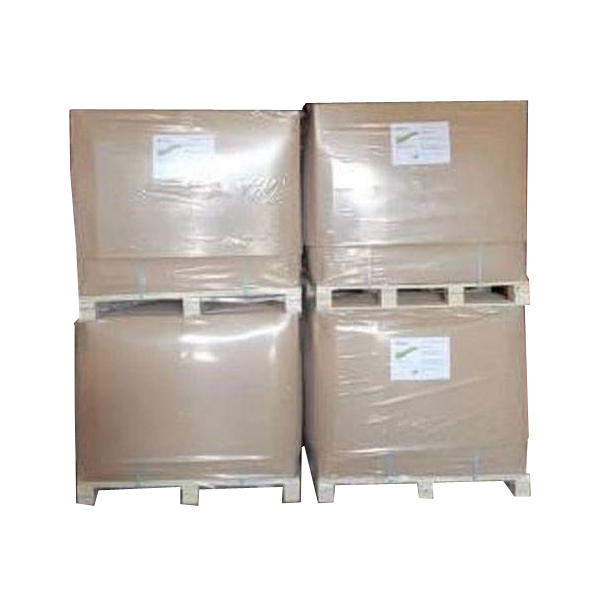
ISPM 15 compliant heat-treated wooden/plastic pallets ready for export.
Expert technical answers for plant operators, environmental engineers, and procurement teams in New Zealand.
Optimize your water treatment operational costs, improve clarity, and achieve environmental compliance with Oubo Chemical's tailored NPAM solutions for New Zealand.
 Oubo Chemical