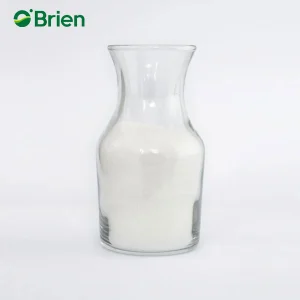
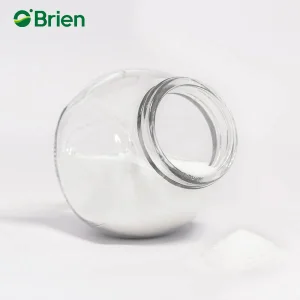
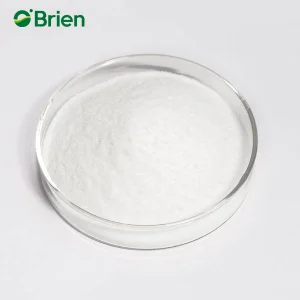
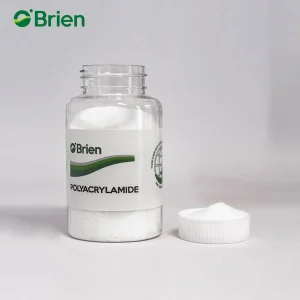
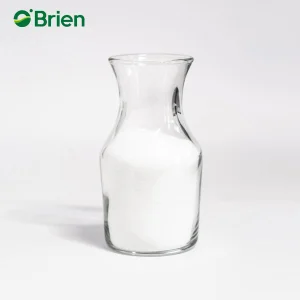
Premium grade bio-catalyzed nonionic polymers optimized for high-salinity water, acidic leach solutions, and mining tailings clarification.
Strategic chemical intelligence for procurement managers, metallurgists, and water treatment engineers in Australia.
Australia stands as a premier global superpower in resource extraction, leading worldwide production in iron ore (Pilbara region), lithium (Greenbushes and Pilgangoora hard-rock spodumene), gold (Kalgoorlie hub), metallurgical coal (Bowen Basin), and rare earths. As ore grades naturally decline, processing plants face hyper-dense slurries, elevated ionic strengths, and highly acidic wet chemical extraction processes.
Nonionic Polyacrylamide (NPAM) is critical in this environment. Unlike Anionic Polyacrylamide (APAM) or Cationic Polyacrylamide (CPAM), nonionic polyacrylamide features a neutral chemical backbone (electrically neutral polymer chains). This unique molecular structure prevents chemical precipitation or premature inactivation in low pH acidic leaching environments—such as copper hydrometallurgy, uranium heap leaching, and gold cyanidation circuits where mineral slurries drop below pH 3.0.
Water scarcity across regional Western Australia, South Australia, and Queensland has compelled mining operators to implement Zero Liquid Discharge (ZLD) and stringent tailings thickener optimization under Australian EPA regulations. The rapid settling rates achieved by high-molecular-weight NPAM enable mineral processing facilities to recycle over 90% of process water rapidly back to the grinding circuit while meeting NATA and local environmental standards.
Understanding the molecular advantage of bio-catalyzed Nonionic Polyacrylamide in complex industrial fluids.
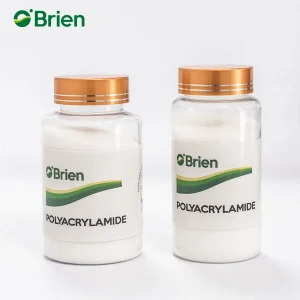
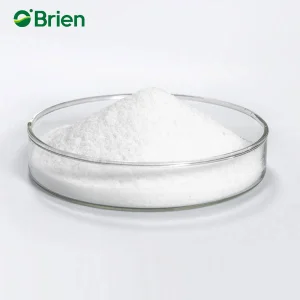
Nonionic Polyacrylamide is a water-soluble linear polymer synthesized via acrylamide homopolymerization. Because its molecular chain contains a high density of non-ionic amide groups (-CONH2), it forms strong hydrogen bonds with suspended particles containing surface hydroxyl, oxide, or silanol groups.
| Polymer Parameter | Nonionic Polyacrylamide (NPAM) | Anionic Polyacrylamide (APAM) | Cationic Polyacrylamide (CPAM) |
|---|---|---|---|
| Ionic Charge | Neutral (0 to <1% Hydrolysis) | Negative (10% - 60% Carboxylate) | Positive (10% - 80% Quaternary Amine) |
| Optimal pH Range | pH 1.0 – pH 8.0 (Acidic / Neutral) | pH 7.0 – pH 14.0 (Alkaline) | pH 3.0 – pH 10.0 (Sludge Dewatering) |
| High Salinity Tolerance | Exceptional (No charge repulsion collapse) | Moderate to Poor (Coil compression) | Moderate |
| Primary Mechanism | Hydrogen Bonding & Bridging | Charge Neutralization + Bridging | Electrostatic Charge Neutralization |
| Core Australian Applications | Acid Mining Leach, Silica Dewatering, Phosphoric Acid | Alumina (Bayer Process), Coal Tailings, River Sediment | Municipal Sludge, Paper Wet End, Textile Waste |
At Qingdao Oubo Chemical Co., Ltd., our NPAM is produced utilizing advanced biological enzymatic synthesis technology (Nitrile Hydratase conversion). Compared to traditional chemical catalytic processes, bio-synthesized monomer acrylamide achieves higher chemical purity with zero copper impurity and extremely low residual monomer contents (<0.05%). This produces exceptionally linear polymer chains with molecular weights reaching 12 to 15 million Daltons, enhancing bridge-flocculation efficacy while reducing active chemical dosages by up to 20-30% for Australian plant operators.
Customized chemical formulations solving critical operational bottlenecks across Australian industrial sectors.
In acidic uranium leaching, copper solvent extraction (SX-EW), and gold tailings clarification, Oubo NPAM accelerates solid-liquid separation in thickeners. It forms dense, tightly packed flocs that withstand aggressive mechanical shear without breaking.
Fine coal slurry dewatering and tailings filtration demand rapid water release. Oubo high-molecular NPAM enhances centrifuge efficiency and belt press cake dryness, lowering moisture content and reduces transport freight costs.
Acid Mine Drainage (AMD) containing heavy metals and low pH requires specialized clarification. Oubo NPAM precipitates fine colloidal hydroxides efficiently without requiring massive neutralization pH adjustments.
Delivering cost efficiency, batch-to-batch stability, and rapid logistics directly from Qingdao Free Trade Zone to Australian Ports.
Established in 2011 in the Free Trade Zone of Qingdao, China, Qingdao Oubo Chemical Co., Ltd. has grown at a sustained annual rate of 10%, achieving an annual production capacity surpassing 50,000 Metric Tons. Our integrated Industry 4.0 smart factory ensures end-to-end quality control and supply chain stability for our global clients.
All chemical feedstocks are sourced directly from global chemical giants including SINOPEC and Eni. Our fully automated DCS production lines minimize human error and guarantee consistent molecular weight distribution across every batch.
Certified under ISO9001:2008 standards, every batch undergoes 3 rigorous quality inspection cycles prior to container sealing: Raw Material Screening, In-line Polymerization Testing, and Final Dissolution & Viscosity Verification.
Explore our complete spectrum of Nonionic, Anionic, and Cationic polymers tailored for wastewater, mineral dressing, and paper manufacturing.
Robust, moisture-proof packaging engineered to withstand maritime sea freight to Fremantle, Port Hedland, Brisbane, and Sydney.
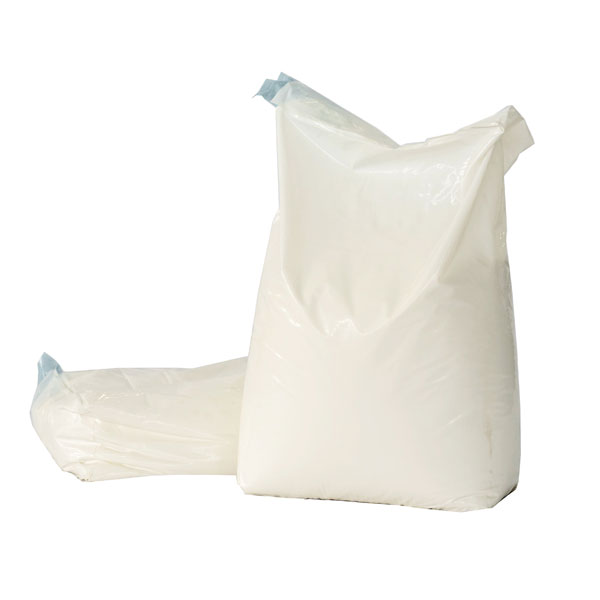
Unbranded 25kg PE/PP woven bags for OEM distributors and private label blending in Australia.
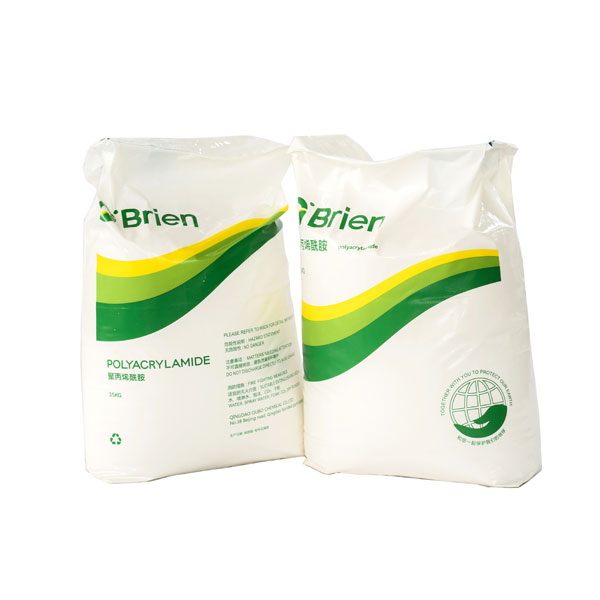
Multi-wall paper bags with inner plastic liner preventing moisture absorption during ocean transit.
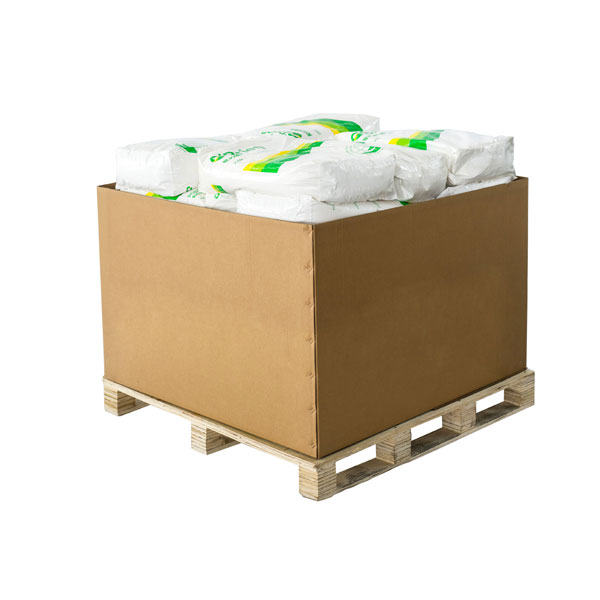
FIBC bulk bags designed for high-capacity automated dosing systems at mine sites.
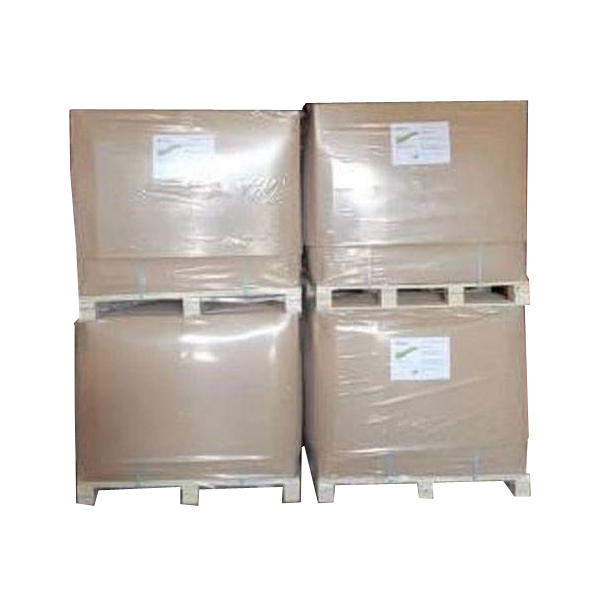
Fumigated wooden or plastic pallets wrapped with shrink film meeting Australian biosecurity standards.
Expert answers regarding product selection, dissolution protocols, and supply chain logistics.
Optimize your mineral processing recovery, reduce chemical consumption, and secure reliable bulk chemical supply for your Australian operations.
Send Inquiry Now Oubo Chemical