Direct Factory Supply from Qingdao Oubo Chemical to Incheon & Seoul Metropolitan Industrial Zones
Navigating Strict Water Quality Regulations & Advanced Semiconductor Wastewater Dewatering Requirements
The Seoul Metropolitan Area (encompassing Seoul City, Incheon Metropolis, and Gyeonggi Province) represents the industrial and economic engine of South Korea. Home to global technology giants, high-precision semiconductor fabrication plants (such as those along the Suwon-Kyeonggi corridor), electroplating operations in Banwol/Sihwa, and major municipal water reclamation centers along the Han River basin, the demand for ultra-performance synthetic polymers is at an all-time high. Nonionic Polyacrylamide (NPAM) has emerged as an indispensable chemical reagent due to its unique neutral charge matrix, high hydrogen-bonding capability, and superior performance in highly acidic or complex mineralized aqueous systems.
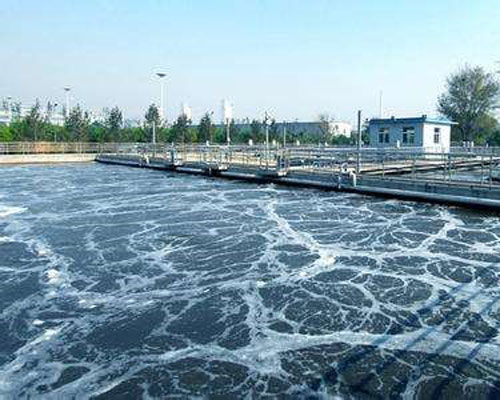
Procurement directors across East Asia face two main challenges: strict environmental discharge compliance and operational cost optimization. In Seoul's urbanized industrial landscape, space for sludge drying beds and large-scale clarifiers is extremely limited. Industrial plants require fast-settling flocculants that maximize solids-liquid separation efficiency in compact centrifuges, filter presses, and dissolved air flotation (DAF) units.
Functions flawlessly at pH values ranging from 1 to 8, making it ideal for inorganic acid leaching, metal pickling, and electronics wastewater treatment where anionic PAM hydrolyzes or cationic PAM loses charge.
Synthesized using state-of-the-art bio-catalytic acrylamide monomer (AM), guaranteeing residual acrylamide levels below 0.05% (500 ppm), satisfying strict Korean environmental standards.
Molecular weights ranging from 8 Million to 15 Million Daltons provide long polymer chains that wrap around suspended micro-particles to form large, dense, quick-settling flocs.
Scientific Principles behind Nonionic Polyacrylamide (CAS: 9003-05-8)
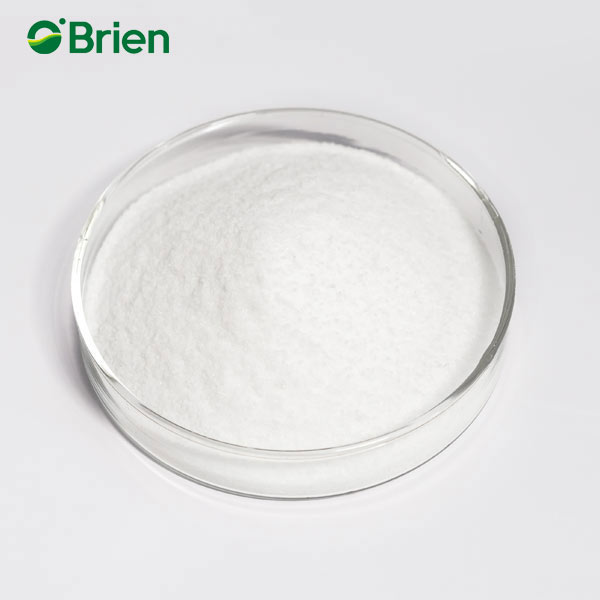
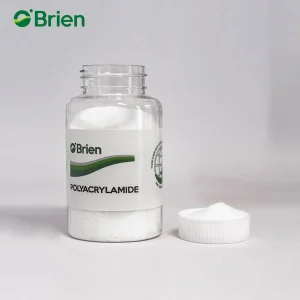
Polyacrylamide (PAM) is a linear synthetic polymer formed from acrylamide subunits. While Anionic PAM contains carboxylate groups (bringing negative charge) and Cationic PAM incorporates quaternary ammonium monomers (positive charge), Nonionic Polyacrylamide (NPAM) consists almost entirely of neutral acrylamide units [$(-CH_2-CH(CONH_2)-)_n$]. Because the polymer chain is electrically neutral, its physical chemistry is dominated by the hydrogen-bonding capacity of the polar amide ($-CONH_2$) side groups.
When dissolved in an aqueous slurry, NPAM molecules adopt an extended random coil conformation in solution. The amide groups form strong hydrogen bonds with hydroxyl, oxide, or silanol groups located on the surfaces of suspended solid particles. A single ultra-high molecular weight NPAM chain adsorbs onto multiple particles simultaneously, creating a physical bridge across the liquid medium. This creates massive, tightly bound aggregates (flocs) that settle rapidly out of the supernatant fluid under gravity or centrifuge forces.
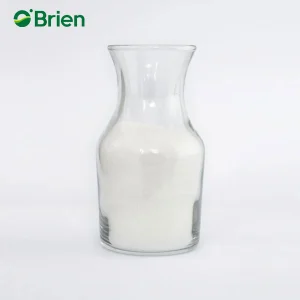
| Technical Parameter | Standard Grade NPAM | High Molecular Weight NPAM | Ultra-High MW Technical Grade |
|---|---|---|---|
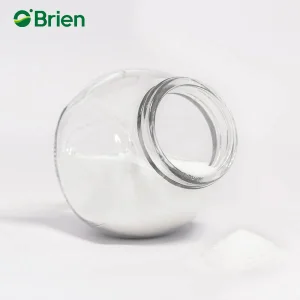
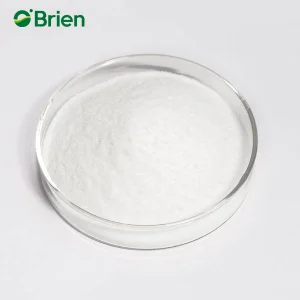
| Appearance | White Granular Powder | White Granular Powder | White Granular Powder |
| Molecular Weight (Million Daltons) | 6.0 - 9.0 Million | 9.0 - 12.0 Million | 12.0 - 15.0+ Million |
| Solid Content (%) | ≥ 89% | ≥ 90% | ≥ 90% |
| Degree of Hydrolysis (%) | ≤ 3.0% | ≤ 4.0% | ≤ 5.0% |
| Dissolution Time (Minutes) | ≤ 60 Mins (in deionized water) | ≤ 60 Mins | ≤ 90 Mins |
| Insoluble Matter (%) | ≤ 0.2% | ≤ 0.1% | ≤ 0.05% |
| Residual Monomer (AM, %) | ≤ 0.05% | ≤ 0.05% | ≤ 0.02% (Special Drinking Water Grade) |
| Target Application in Seoul | Textile Sizing & Paper Additives | Acidic Metal Effluent & DAF Units | Shield TBM Slurry & Mining Tailings |
World-Class Polymer Manufacturing Efficiency Located Right Across the Yellow Sea
Oubo Chemical Co., Ltd was established in 2011 and is strategically located in the Free Trade Zone of Qingdao, China. Over the past decade, Oubo has maintained a steady business growth rate exceeding 10% per year, establishing itself as a global leader in water-soluble polymer manufacturing. Our state-of-the-art facility reached an annual production capacity breakthrough of 50,000 Metric Tons in 2018, backed by full ISO 9001:2008 Quality Management Certification.
For chemical buyers in the Seoul Capital Area, geographic proximity is a decisive strategic advantage. Situated right at Qingdao Port, Oubo Chemical can ship full container loads (FCL) directly to Incheon Port or Busan Port with sea transit times under 48 hours. This enables Korean enterprise clients to maintain lean inventory while ensuring zero disruption to critical wastewater treatment lines.
Our quality control (QC) system is rigorous and comprehensive. Every batch of Nonionic Polyacrylamide undergoes 3 separate testing iterations prior to dispatch, verifying molecular weight distribution, degree of hydrolysis, solution viscosity, and residual monomer levels.
Engineering Customized Flocculation & Separation Protocols across Core Industries
Electroplating plants, circuit board manufacturers, and steel pickling facilities in Incheon and Gyeonggi generate wastewater with pH levels often below 3. NPAM retains 100% efficiency in acidic environments, rapidly binding colloidal metallic hydroxides without requiring alkaline neutralization pretreatment.
Major subway extensions (Seoul Metro) and subterranean utility projects utilize Tunnel Boring Machines (TBM). High molecular weight NPAM acts as an exceptional bentonite slurry dewatering agent and soil stabilizer, allowing rapid water recycling on congested urban job sites.
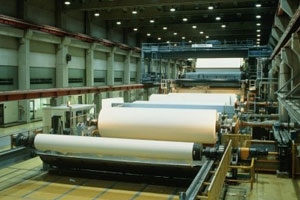
Paper mills around the Seoul metropolitan rim utilize NPAM as a retention aid, filter aid, and dry-strength additive. It significantly improves fines and filler retention on the wire, reduces fiber loss in white water, and accelerates dewatering speeds.
Utilized as a fluid loss reduction agent and friction reducer in deep drilling, geothermal energy projects, and offshore oil/gas operations. NPAM lubricates the drill string while preventing shale swelling in sensitive rock formations.
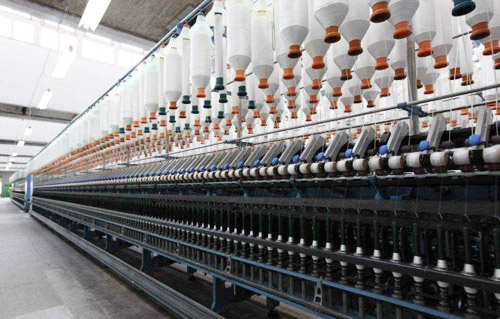
Used as a sizing chemical to increase smooth film properties on yarn, and as a flocculant in textile dyeing wastewater recovery. Assists in removing reactive dyes and suspended solids before discharge into municipal treatment plants.
Special food-grade low-residual NPAM serves as a clarification aid in sugar juice extraction and starch manufacturing. Promotes rapid mud settling while guaranteeing absolute purity compliance for consumable end-products.
Moisture-Proof Packaging Options Engineered for Long-Distance Sea Transport & Storage
Polyacrylamide powder is highly hygroscopic; exposure to humidity can lead to clumping and reduced dissolution rate. Oubo Chemical provides robust, multi-layer moisture-barrier packaging tailored to meet the strict warehouse handling standards of South Korean logistics hubs.
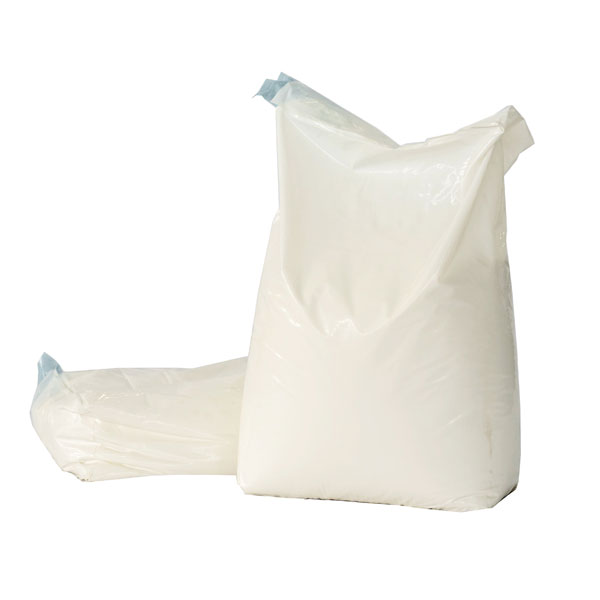
Neutral 25kg Kraft paper bags with PE inner liner for private-label distributors in Korea.
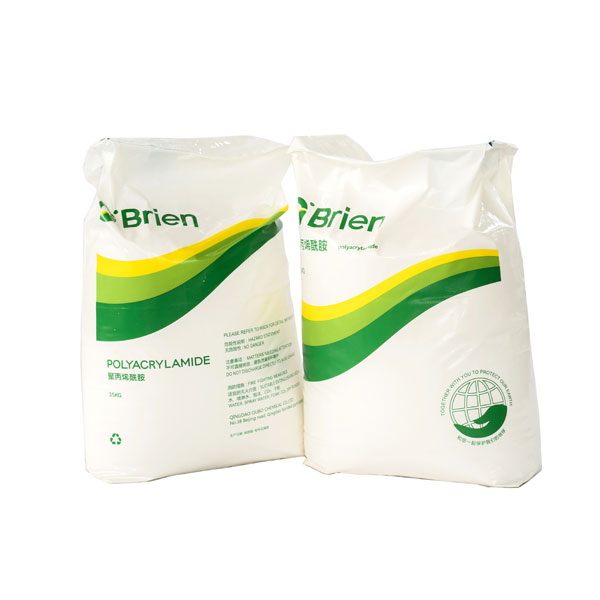
Factory-branded high-strength 25kg woven bag with double-layer damp-proof film.
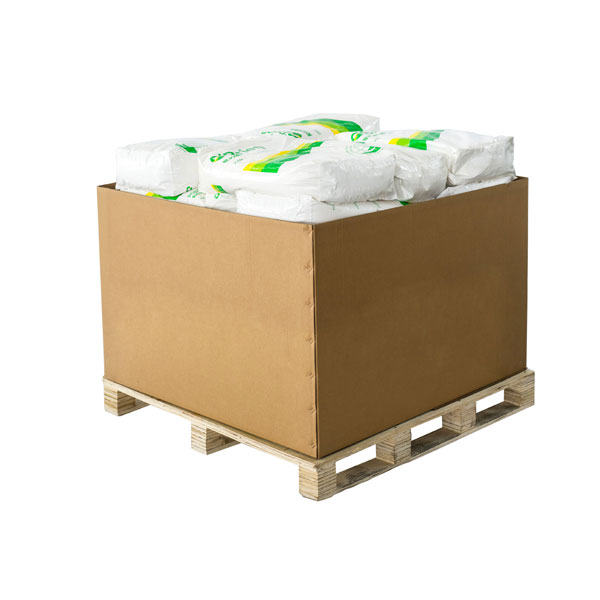
750kg - 1000kg bulk tote bags designed for automated high-volume industrial dosing systems.
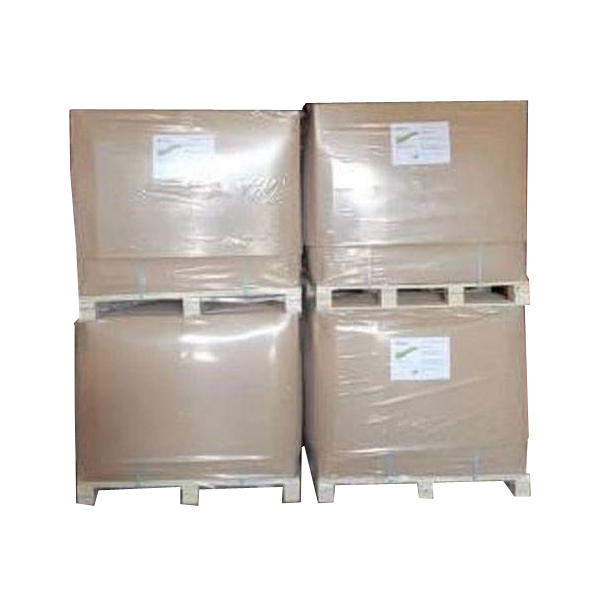
ISPM-15 compliant fumigated pallets, shrink-wrapped and corner-protected for safe forklift transport.
Technical Answers to Key Procurement, Compliance, and Application Queries
Get in touch with Oubo Chemical's polymer experts today. We provide free lab sample testing, custom viscosity matching, and rapid shipping estimates to Seoul, Incheon, and Gyeonggi-do.
Send Inquiry NowFull Catalog of Nonionic, Anionic, and Cationic PAM Flocculants for Industrial Water & Process Engineering
 Oubo Chemical