Premium Grade Synthetic Polymers Optimized for Rapid Solid-Liquid Separation
Strategic Market Insights, Compliance Directives, and Technical Polymer Selection
The industrial landscape of Bangladesh is undergoing a historic structural transformation. As the world’s second-largest garment and textile exporter, Bangladesh has consolidated its position as a global manufacturing powerhouse. However, this dramatic expansion in Ready-Made Garments (RMG), textile dyeing, leather tanning (relocated to the Hemayetpur Tannery Estate in Savar), jute processing, and chemical processing has placed unprecedented pressure on national water resources and municipal infrastructure. With the Bangladesh Department of Environment (DoE) strictly enforcing Effluent Treatment Plant (ETP) compliance, ZDHC (Zero Discharge of Hazardous Chemicals) guidelines, and standard discharge limits into key river systems such as the Buriganga, Shitalakhya, and Karnaphuli, industrial enterprises are urgently seeking advanced, cost-effective solid-liquid separation chemicals.
Globally, the market for polyacrylamide (PAM) is projected to surpass $8.5 Billion by 2030, driven by aggressive municipal water reclamation, enhanced oil recovery (EOR), and stringent industrial wastewater standards across Asia-Pacific and the Middle East. China stands at the center of this global market, accounting for over 60% of total worldwide production capacity. The key competitive edge of Chinese chemical manufacturing lies in advanced bio-catalytic monomer synthesis. By replacing traditional chemical catalytic methods with enzymatic bio-catalysis, top-tier Chinese manufacturers like Qingdao Oubo Chemical Co., Ltd. produce ultra-high-purity Acrylamide (AM) monomer with zero side reactions, ultra-low residual monomer (< 0.05%), and exceptionally long polymer chains with molecular weights reaching up to 15 Million Daltons.
Understanding How Hydrophobic Interaction and Hydrogen Bonding Drive Rapid Flocculation
Nonionic PAM is a synthetic homopolymer of acrylamide ($[CH_2-CH-CONH_2]_n$). Because its amide functional groups possess zero electrical charge in aqueous solutions, NPAM does not rely on charge neutralization to destabilize colloidal suspensions.
NPAM operates via powerful intermolecular hydrogen bonding. The high-density amide groups stretch across long molecular chains, adsorbing onto multiple suspended solid particles simultaneously to form large, dense flocs with exceptional settling velocity.
Anionic polymers coil up and lose efficacy in low pH conditions due to protonation of carboxylate groups. Nonionic PAM maintains fully uncoiled, active polymer chains even in concentrated acidic wastewater (pH 1-5) and high total dissolved solids (TDS).
| Polymer Type | Ionic Charge | Optimal pH Range | Primary Settling Mechanism | Target Application in Bangladesh |
|---|---|---|---|---|
| Nonionic Polyacrylamide (NPAM) | Neutral / Zero Charge | pH 1.0 – 8.0 (Acidic & Saline) | Hydrogen Bonding & Polymer Bridging | Acidic Textile Effluents, Mineral Slurry, Jute Processing, Acidic Wastewater ETP |
| Anionic Polyacrylamide (APAM) | Negative Charge | pH 7.0 – 14.0 (Neutral/Alkaline) | Charge Neutralization + Bridging | Coal Washing, Sand Washing, Municipal Sewage Clarification, Sugar Refining |
| Cationic Polyacrylamide (CPAM) | Positive Charge | pH 3.0 – 10.0 | Electrostatic Neutralization | Biological Sludge Dewatering (Belt Press/Centrifuge), Tannery Sludge, Paper Retention |
Tailored Flocculant Strategies for Maximum Treatment Performance & Operational Savings
Textile mills generate millions of liters of complex dye wastewater daily. Acid dyes, reactive dyes, and heavy chemical auxiliary loads reduce the effectiveness of standard coagulants. Oubo’s Nonionic PAM acts as a high-performance secondary flocculant following alum or PAC dosing, forming compact, rapidly-precipitating sludge flocs that significantly improve secondary clarifier overflow clarity and lower filter press cycle times.
Chemical processing plants, battery recycling operations, and metal processing facilities in Chittagong and Dhaka produce highly acidic waste streams containing dissolved heavy metals. Nonionic PAM delivers unparalleled solid-liquid separation performance at pH levels as low as 1.5, allowing plant operators to clarify mineral precipitates without wasting exorbitant amounts of caustic soda on neutralization.
Bangladesh’s historical jute sector and rapidly growing paper containerboard industry demand high-efficiency retention aids and pulp dewatering agents. Nonionic PAM improves fine fiber retention on the wire mesh, speeds up white water clarification, increases dry paper sheet tensile strength, and reduces total raw fiber loss.
During the monsoon season, surface raw water turbidity in major rivers spikes dramatically. Nonionic PAM works in tandem with inorganic coagulants to rapidly drop clay, silt, and colloidal organic matter in municipal clarification tanks, ensuring high-throughput drinking water production.
Global Standard Synthetic Polymer Manufacturing Excellence from China
Oubo Chemical Co., Ltd was established in 2011, located in the Free Trade Zone of Qingdao, China. The Quality Control (QC) system of O'brien is strict and comprehensive. Over the past decade, our annual business growth rate has maintained a steady 10%. Qingdao Oubo Chemical Co., Ltd is highly committed to quality, professional technical service, and pays utmost attention to environmental sustainability during polymer production and global application.
Oubo specializes in supplying Cationic Polyacrylamide, Anionic Polyacrylamide, and Nonionic Polyacrylamide. We feature fully automated production equipment and a highly skilled technical staff, ensuring all products and services remain in top order. The annual production capacity of polyacrylamide broke through 50,000 Tons in 2018, and our quality management system is certified under ISO9001:2008. We proudly stand behind every batch of product delivered to our overseas partners.
Qingdao OUBO Chemical Co., Ltd is a world-leading polyacrylamide manufacturer. We utilize patented biological enzymatic methods to synthesize monomers. We invest €2 Million into continuous technical R&D annually to maintain technical leadership.
Integrated global supply chain. All key raw materials are sourced from top tier chemical giants like SINOPEC and Eni. Our fully automated lines are ISO9001 certified, and every batch is tested 3 times prior to shipment.
Specialized in PAM manufacturing for over 8 years with superior purity and factory-direct pricing. Our technical team works alongside your engineering staff for rapid product selection and dosage optimization.
Our dedicated technical team assists in pre-sales analysis, beaker jar testing, field trials, and after-sales service. We guarantee professional guidance to help you select the exact right product formulation.
Providing Custom Water Treatment & Chemical Solutions Across Major Sectors
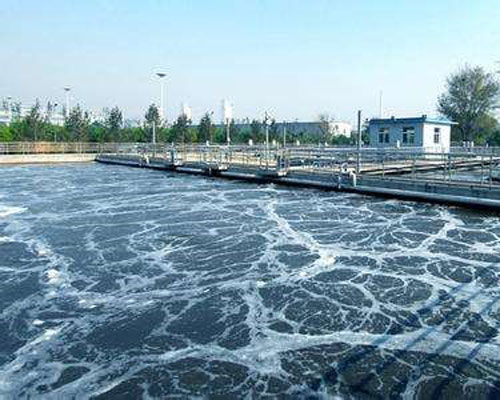
As a flocculating agent, mainly used in industrial solid-liquid separation process, including settlement, clarification, concentrate and sludge dewatering. Crucial for municipal sewage and diverse industrial wastewater treatment.
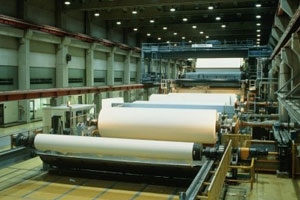
Serves as retention aid, dry strength agent, and filter aid. Dramatically enhances paper sheet physical strength, reduces fine fiber loss, clarifies white water, and accelerates deinking flocculation.
Extensively utilized in profile control, fluid loss control, shale inhibition, drilling mud lubrication, fracturing fluids additives, and Enhanced Oil Recovery (EOR).

Optimized for coal washing, mineral slurry thickening, tailings dewatering, and solid-liquid separation in gold, copper, iron, silver, and nickel ore processing.
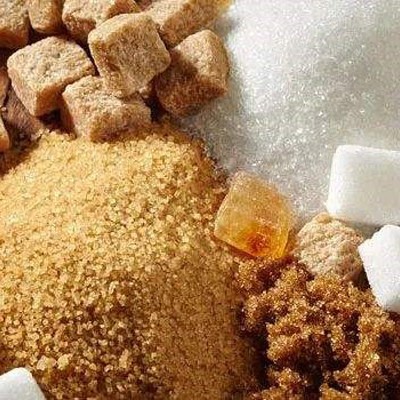
High-purity nonionic and anionic flocculants designed for rapid juice clarification, mud settling, and syrup flotation in sugarcane and sugar beet processing.
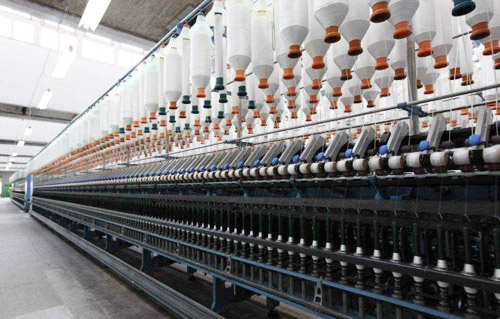
Functions as high-grade textile warp sizing agent, fabric finishing treatment agent, and primary flocculant for textile dyeing wastewater ETP clarification.
Moisture-Proof Standard Export Packaging Optimized for Maritime Shipping to Chittagong Port
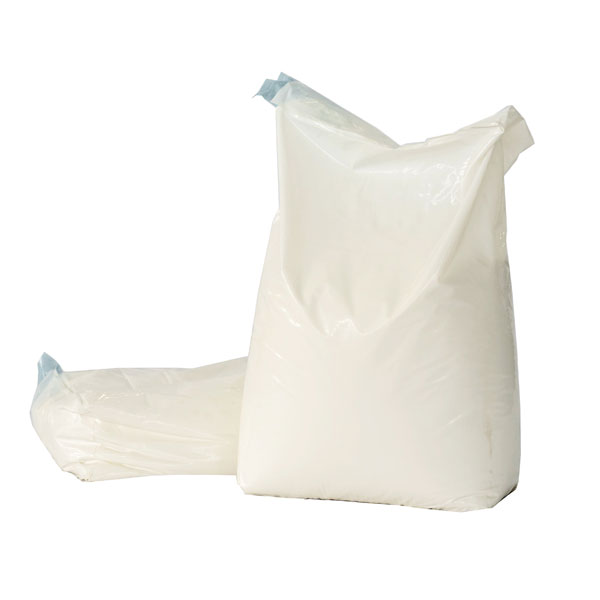
25kg multi-wall Kraft paper bag or PE bag without printing, ideal for local distributors rebranding in Bangladesh.
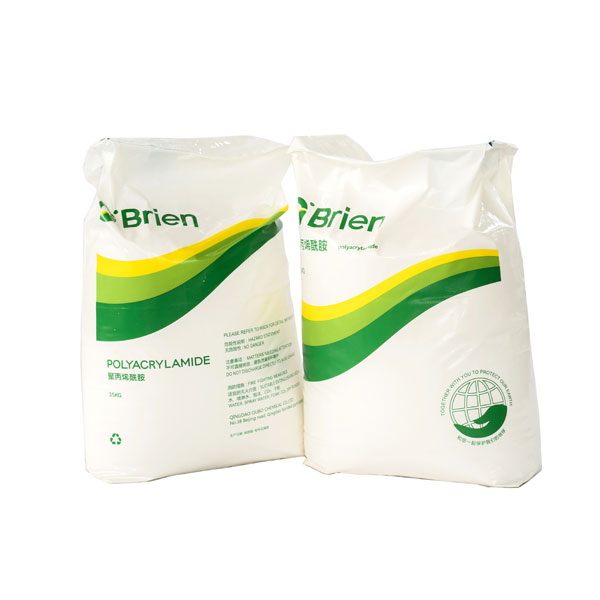
Standard factory print with complete product identification, batch numbers, net weight, and safety warnings.
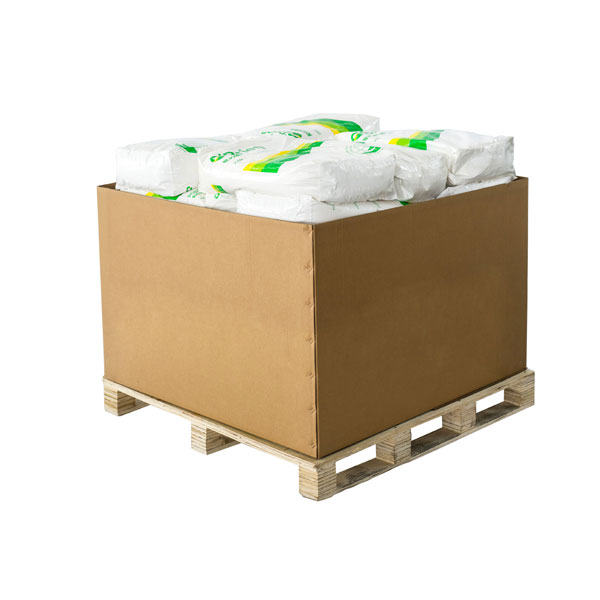
Heavy-duty bulk bag with bottom discharge chute, designed for automated dissolving systems in large-scale ETPs.
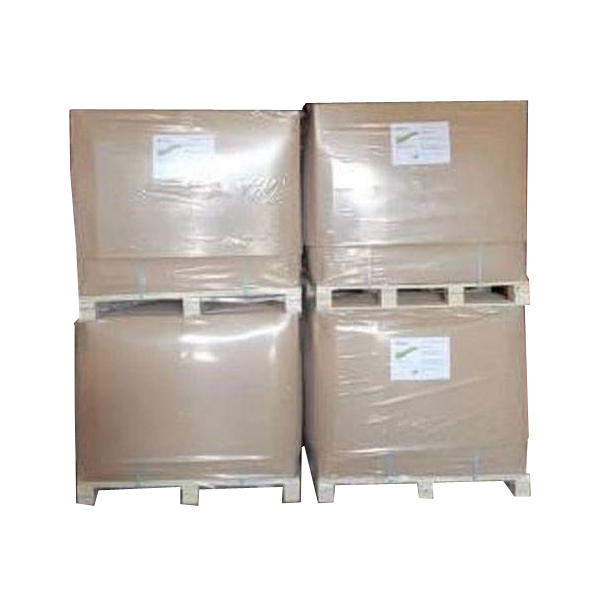
Fumigated wooden or plastic pallets, heavy film shrink-wrapped to guarantee zero moisture ingress during ocean transit.
Explore Our Complete Selection of Anionic, Cationic, and Nonionic Flocculant Powders
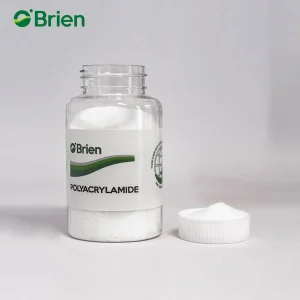
Expert Guidance on Product Selection, Preparation SOPs, and Import Logistics
Partner with China's leading polyacrylamide manufacturer. Receive factory-direct pricing, custom chemical formulation, and dedicated technical support for your Bangladesh operational needs.
Send Inquiry Now Oubo Chemical