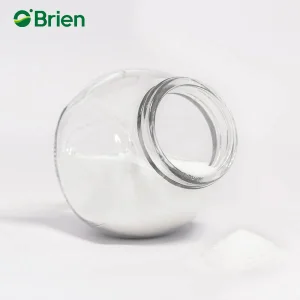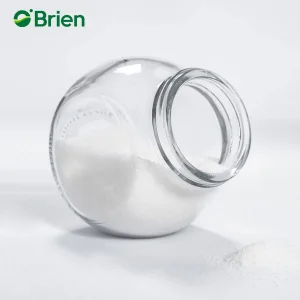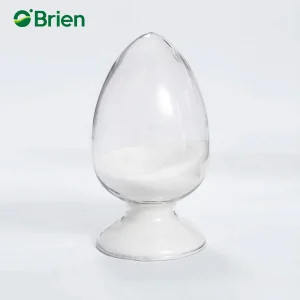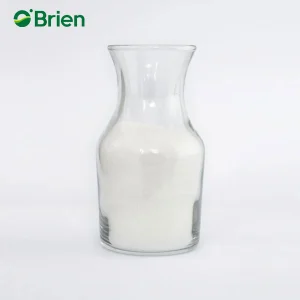
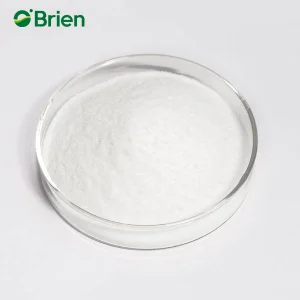
Nonionic Polyacrylamide (NPAM) is a linear water-soluble polymer synthesized through the homopolymerization of acrylamide ($CH_2=CH-CONH_2$) under high-purity biological catalytic conditions. Unlike Anionic Polyacrylamide (APAM) carrying carboxylate groups or Cationic Polyacrylamide (CPAM) containing quaternary ammonium functional sites, NPAM maintains a neutral charge density (charge ratio < 1%) along its polyacrylamide backbone.
Due to the absence of ionically charged active centers, NPAM does not rely on charge neutralization to agglomerate colloidal particles. Instead, it operates via an extensive amide group ($-CONH_2$) hydrogen bonding mechanism. The amide groups form robust hydrogen bonds with hydroxyl, silicate, or metallic oxides on suspended particles, creating strong polymer-particle bridging even under harsh chemical environments where charged polyelectrolytes collapse.
In highly acidic media (pH 1.0 – 5.0) or high ionic-strength brines, APAM loses functionality due to protonation of carboxylate ions, while CPAM degrades under specific chemical oxidants. NPAM maintains its extended random coil conformation in acidic industrial wastewater, hydrometallurgical leaching fluids, and mineral slurries, making it the premier choice for difficult solid-liquid separation.
| Property Parameter | Technical Standard Grade | High-Purity Bio-Grade | Testing Method Standard |
|---|---|---|---|
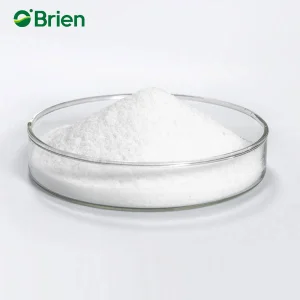
| Appearance | White Granular Powder | White Fine Powder | Visual Inspection |
| Molecular Weight (MW) | 8.0 – 12.0 Million Daltons | 12.0 – 16.0 Million Daltons | Intrinsic Viscosity (Ubbelohde) |
| Degree of Hydrolysis (Degree of Ionicity) | 0 – 3.0 % max | 0 – 1.0 % max | Colloidal Titration Method |
| Solid Content (%) | ≥ 89.0 % | ≥ 90.0 % | GB/T 12005.2-1989 |
| Residual Acrylamide Monomer (AM) | ≤ 0.05% (500 ppm) | ≤ 0.025% (250 ppm) | HPLC Analysis |
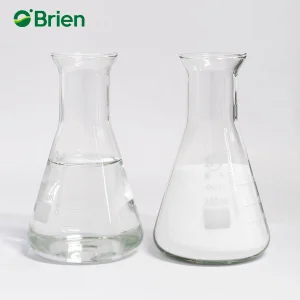
| Dissolution Time (Minutes) | ≤ 60 Mins (in pure water at 25°C) | ≤ 45 Mins (Fast Dissolve Grade) | Mechanical Stirring @ 300 RPM |
| Insoluble Content (%) | ≤ 0.2 % | ≤ 0.05 % | 200 Mesh Gravimetric Filtration |
As a major manufacturing hub linking Europe and Asia, the Republic of Türkiye has witnessed rapid industrial expansion across Organized Industrial Zones (OSB - Organize Sanayi Bölgeleri). Environmental mandates enforced by the Turkish Ministry of Environment, Urbanisation and Climate Change (T.C. Çevre, Şehircilik ve İklim Değişikliği Bakanlığı), specifically under the national Zero Waste Regulation (Sıfır Atık Yönetmeliği), have forced industrial facilities to optimize sludge dewatering and recycle effluent water.
Türkiye holds vast reserves of boron, chrome, copper, gold, and feldspar. Mining operators in regions like Kütahya, Eskişehir, and Erzincan generate massive volumes of acidic tailings. NPAM serves as the essential flocculant for rapid clarification in thickeners and tailing filtration circuits where low pH precludes anionic polyacrylamide.
Industrial textile dying clusters in Bursa, Çorlu, Tekirdağ, and Gaziantep produce complex dyehouse effluents containing high TDS, heavy metals, and residual pigments. Nonionic polyacrylamide acts as a primary coagulation aid, aggregating fine dyestuff precipitates prior to biological treatment.
Driven by e-commerce, paper mills in Kocaeli, Izmir, and Kahramanmaraş require high-performance wet-end additives. NPAM acts as an effective retention aid and fiber dispersant, improving paper mechanical strength while reducing slurry drainage resistance.
Qingdao Oubo Chemical Co., Ltd utilizes third-generation microbial enzymatic catalysis (Nitrile Hydratase method) to produce ultra-pure Acrylamide Monomer. Compared to traditional sulfuric acid or copper-catalyzed processes, our bio-based route completely eliminates copper ion contamination and suppresses unwanted acrylic acid side-reactions.
In Turkish metal electroplating, pickling, and galvanizing factories located in Kocaeli and Gebze, wastewater streams exhibit extreme acidity (pH 1.5 - 3.5) containing elevated concentrations of dissolved iron, zinc, and nickel salts. Neutralization using lime ($Ca(OH)_2$) yields fine colloidal hydroxides that settle slowly.
Operational Solution: Dosing NPAM at 1.5 – 3.0 ppm following initial pH adjustment to 5.0 creates heavy, rapid-settling micro-flocs without consuming alkalinity. The nonionic polymer chain bridges ferric and zinc hydroxide precipitates, accelerating thickener overflow clarity by 400% and boosting filter press cake dryness to over 35% solid content.
Türkiye is the global leader in boron reserves. During the refine and beneficiation of borax and colemanite ores, fine clay minerals (bentonite, smectite) remain suspended in saturated brine solutions, causing severe operational bottlenecks in thickeners.
Operational Solution: High molecular weight NPAM (12-15 Million MW) exhibits exceptional tolerance to elevated ionic strength in borate brines. By forming extended bridges across clay mineral platelets, NPAM reduces thickener underflow moisture, allowing water recovery rates exceeding 92% in closed-loop circuit recycling.
The geothermal energy sector in Western Anatolia demands drilling mud additives capable of withstanding elevated bottom-hole temperatures (>180°C) and high dissolved silica levels.
Operational Solution: NPAM acts as a non-hydrolyzing viscosifier and fluid loss control agent. It encapsulates drill cuttings, prevents shale hydration in fractured basalt/limestone formations, and maintains rheological stability without thermal thinning.
Oubo Chemical Co., Ltd was established in 2011 inside the Free Trade Zone of Qingdao, China. Over the past decade, Oubo has maintained a steady 10% annual growth rate, developing into an international powerhouse in synthetic polymer production. Our annual polyacrylamide production capacity surpassed 50,000 Metric Tons in 2018 under full ISO 9001:2008 certification.
Heavy-duty 3-in-1 composite bags with inner PE liner to prevent moisture pickup during ocean transport across the Mediterranean.
To maximize the bridging efficacy of Nonionic Polyacrylamide and prevent polymer backbone degradation during preparation, plant operators should adhere to standardized makeup protocols:
Prepare primary stock solution at 0.1% – 0.3% weight/volume concentration (e.g., 1kg powder per 1000L water). Avoid concentration above 0.5% as high solution viscosity hinders dispersion.
Use clean, neutral tap water (pH 6.5 – 7.5, temp 15°C – 35°C). Avoid recycled process water containing high residual oxidants or heavy metals during stock solution preparation.
Stir mechanically at 200 – 400 RPM using low-shear turbine impellers. High-shear centrifugal pumps break long polymer chains, reducing molecular weight by up to 50%.
Get direct factory pricing, batch samples, and custom technical formulation from China's leading 50,000 Ton capacity Polyacrylamide manufacturer. Fast shipping to Mersin, Istanbul, Izmir, and Gemlik ports.
Send Inquiry Now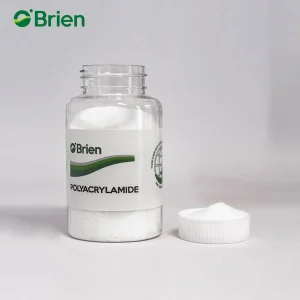
 Oubo Chemical