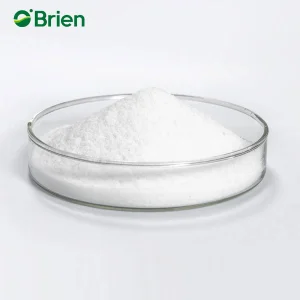
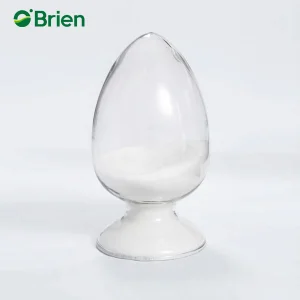
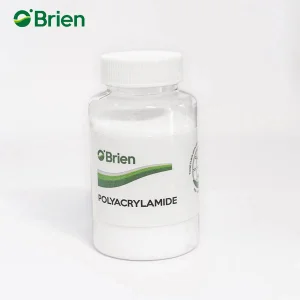
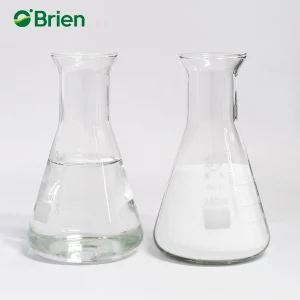
Specialized cationic, anionic, and nonionic polymers optimized for heavy industrial dewatering and water recovery.
Erdenet, located in Orkhon Province, Mongolia, stands as one of the most prominent industrial epicenters in Central Asia, dominated primarily by large-scale open-pit copper and molybdenum mining, mineral concentration, heavy equipment manufacturing, and supporting municipal infrastructure. The operational core of Erdenet's economy—exemplified by the Erdenet Mining Corporation (EMC)—processes tens of millions of tons of ore annually. This massive hydrometallurgical and mineral dressing output demands advanced chemical clarification solutions to maintain water recycling efficiency, prevent environmental contamination, and manage vast tailings ponds.
Cationic Polyacrylamide (CPAM)—a water-soluble linear high-molecular-weight polymer modified with positively charged functional groups (such as acryloyloxyethyltrimethyl ammonium chloride, DAC, or METAC)—serves an indispensable role in Erdenet's industrial framework. Unlike neutral or anionic polymers, CPAM exhibits intense electrical attraction toward negatively charged colloidal particles, organic suspended solids, and mineral slurry fines common in mining effluents, municipal sewage, and industrial process water.
The flotation recovery of chalcopyrite and molybdenite generates massive volumes of fine slurry. CPAM aids high-rate thickeners by neutralizing negative charges on clay and silica particles, accelerating sedimentation, and enabling up to 85% process water recycling.
Erdenet experiences severe winter climates with temperatures dropping below -30°C. Standard flocculants often suffer from poor dissolution kinetics and viscosity breakdown. Oubo’s low-temperature engineered CPAM maintains rapid hydration rates and chain integrity in near-freezing feed water.
As Erdenet's urban population grows, municipal wastewater treatment plants rely on high-charge density CPAM for belt filter presses, decanter centrifuges, and screw presses to achieve dry cake solids content exceeding 28%.
To optimize Cationic Polyacrylamide performance in Erdenet's demanding operational environments, process engineers must understand the dual-action mechanism of charge neutralization and macromolecular bridging. Synthetic CPAM is produced via the copolymerization of acrylamide (AM) monomers with cationic monomers. The resulting quaternary ammonium groups carry a permanent positive charge across the entire pH spectrum (pH 1 to 14).
| CPAM Grade Category | Charge Density (%) | Molecular Weight (Million Daltons) | Primary Industrial Application in Erdenet |
|---|---|---|---|
| Ultra-High Charge / Medium MW | 50% - 80% | 6.0 - 8.5 | Biological municipal sludge dewatering, high-organic industrial effluent clarification. |
| Medium Charge / High MW | 20% - 45% | 9.0 - 12.5 | Mineral flotation tailings thickening, municipal secondary clarification, paper retention. |
| Low Charge / Ultra-High MW | 5% - 15% | 12.0 - 15.0 | Clay-rich slurry settling, high-shear centrifugation, acidic leach tailing filtration. |
When CPAM powder is introduced into a suspension (e.g., Erdenet copper thickener feed), the positive quaternary nitrogen atoms ($-\text{N}^+(\text{CH}_3)_3$) instantly bind to the negatively charged zeta-potential sites on suspended silicate or metal oxide particles. This neutralizes the electrostatic repulsive forces (DLVO theory), allowing particles to coalesce into primary micro-flocs. Simultaneously, the long polymer chains (extending up to 15 million Daltons) adsorb onto multiple particles, forming large, rapidly settling macro-flocs capable of withstanding turbulent shear forces inside decanters and thickeners.
The global polyacrylamide market is undergoing a structural shift toward eco-friendly enzymatic synthesis and ultra-high-efficiency water circularity solutions. Stringent environmental regulations in Asia and Europe, paired with escalating water scarcity in cold-arid regions like Northern Mongolia, have made zero-liquid-discharge (ZLD) systems a key priority for mining operators.
Oubo Chemical Co., Ltd was established in 2011, located in the Free Trade Zone of Qingdao, China. Over the past decade, Oubo has grown at a steady rate of 10% per year, establishing itself as a premier global chemical manufacturer. We maintain a rigorous QC system, placing high commitment on quality, service, and environmental protection throughout polymer production and application.
Oubo specializes in supplying Cationic Polyacrylamide, Anionic Polyacrylamide, and Nonionic Polyacrylamide. Equipped with advanced automated production lines and an expert technical team, we ensure every order meets exact client specifications. Our annual polyacrylamide capacity exceeded 50,000 Metric Tons in 2018, backed by full ISO 9001:2008 quality management certification.
We utilize patented biological methods to synthesize monomer acrylamide, re-investing over €2 million annually into chemical research to continuously expand our technical capabilities.
Our raw materials are sourced globally from tier-1 suppliers including SINOPEC and Eni. Fully automated lines combined with 3-stage pre-shipment QC testing guarantee batch-to-batch consistency.
Our engineering team assists Erdenet clients across pre-sales jar testing, operational dosage selection, equipment calibration, and post-sales process optimization.
Shipping bulk chemical reagents to Orkhon Province requires robust, moisture-proof, and freeze-resistant packaging built to withstand multi-modal cross-border transit via rail and truck (e.g., Erenhot / Zamiin-Uud transport corridors).
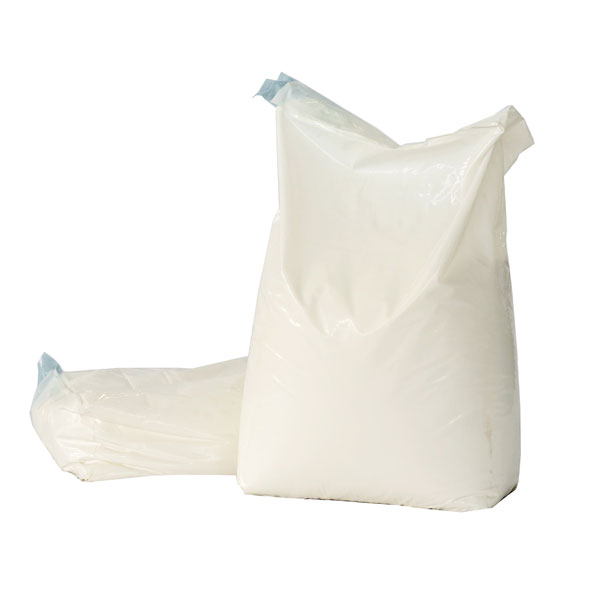
25kg multi-layer Kraft paper bags with inner PE moisture barrier. Ideal for OEM distributors in Mongolia.
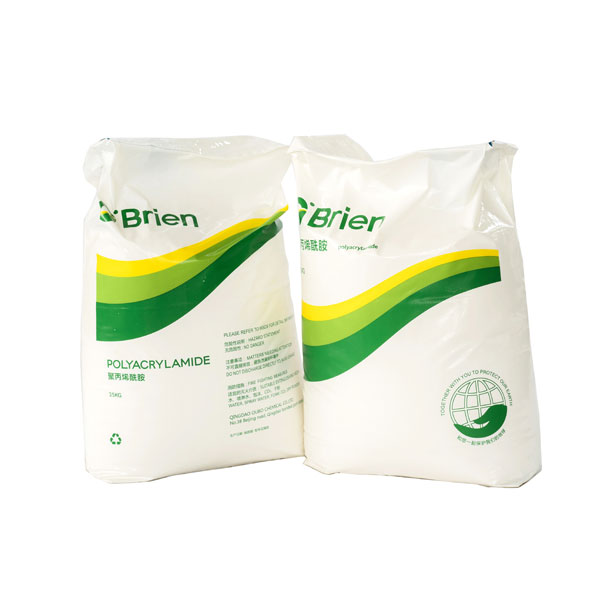
Standard branded heavy-duty bags offering high anti-puncture resistance and thermal insulation.
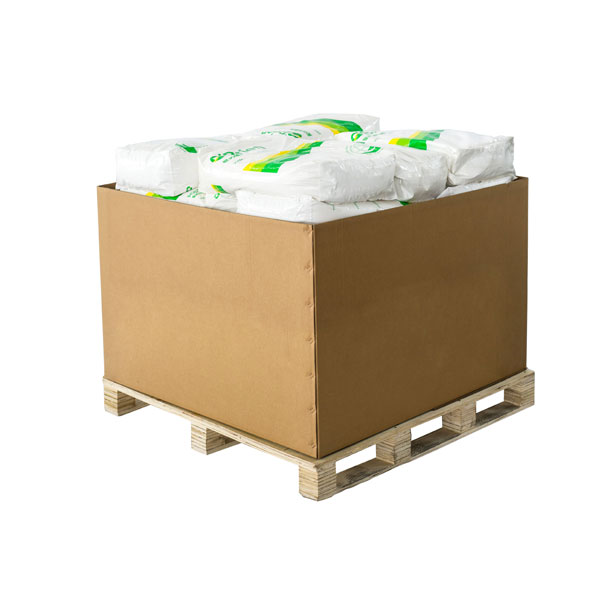
Heavy-duty bulk FIBC bags with bottom discharge spouts tailored for continuous feed systems in mining plants.
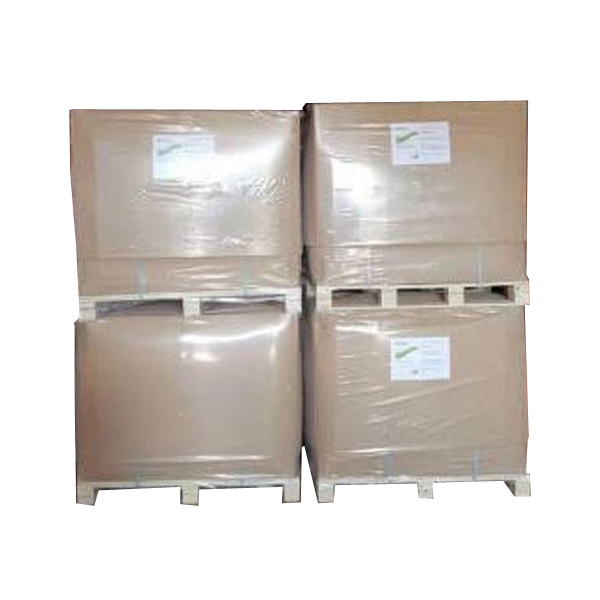
Heat-shrink wrapped palletized loads (1.0 to 1.2 MT per pallet) designed for safe container loading and rough road transport.
Beyond mining, Oubo Chemical’s comprehensive polyacrylamide suite serves a wide variety of industrial sectors across East and Central Asia:
Acts as an primary flocculant and sludge conditioner in municipal wastewater treatment plants, paper mills, tanneries, food processing plants, and pharmaceutical facilities. Promotes rapid solid-liquid phase separation, reduces BOD/COD levels, and minimizes sludge disposal volumes.
Functions as a retention aid, drainage booster, and wet-end paper strength enhancer. Neutralizes anionic trash in pulp suspensions, improves fine fiber retention rates, and allows paper mills to reduce raw material waste while increasing machine operating speeds.
Utilized in enhanced oil recovery (EOR) as a mobility control fluid viscosifier, drilling mud friction reducer, profile modification agent, and fluid-loss control additive for high-temperature and high-salinity reservoir conditions.
Essential for coal washing tailings settling, copper flotation slurry clarification, gold cyanidation leach residue filtration, and tailing dam water recovery. High ionic purity prevents equipment scaling and corrosion.
Ensures rapid clarification and scum flotation during sugarcane and sugar beet juice purification, yielding higher sucrose extraction purity without leaving toxic chemical residues.
De-colorizes highly concentrated dye effluents, binds complex organic molecules, and enables efficient sludge dewatering in textile processing facilities.
Selection depends on the organic content and surface charge of your sludge. Organic-rich biological sludge from municipal plants generally requires medium-to-high charge CPAM (30% to 60%), while mineral-dominated sludges (like copper mine tailings) respond best to low-to-medium cationic charge (10% to 30%) combined with higher molecular weight. We recommend conducting on-site jar tests to determine the precise optimal charge ratio.
In sub-zero temperatures, water viscosity increases and polymer dissolution rates drop significantly. To ensure proper activation, the dissolution water should be maintained at 15°C–30°C. Never dissolve dry CPAM in water below 5°C, as it leads to "fish-eye" unhydrated gel lumps that plug filter cloths and waste chemical reagent.
Unopened bags of dry polymer powder stored in a cool, dry, and ventilated warehouse have a shelf life of 24 months. Once opened, bags must be sealed tightly to avoid air moisture absorption. Diluted aqueous solutions (0.1% strength) should be consumed within 24 to 48 hours, as cationic polymers degrade faster in liquid state than anionic grades.
Orders dispatched from our Qingdao manufacturing hub are routed via rail transit directly to Zamiin-Uud / Ulaanbaatar and onward to Erdenet. Typical lead times range between 12 to 18 days from order confirmation, depending on customs clearance timelines.
High-grade polymers tailored for global industrial, mining, and municipal wastewater applications.
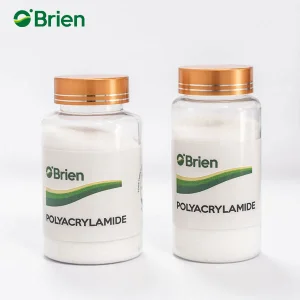
 Oubo Chemical