Advanced Water Treatment Polymer Engineering, High Charge-Density CPAM Supply Chains, and Industrial Flocculation Innovations for Aichi Prefecture’s Manufacturing Sector.
Send Inquiry NowEngineered for high turbidity removal, fast sludge dewatering, and stringent municipal effluent compliance in Aichi Prefecture.
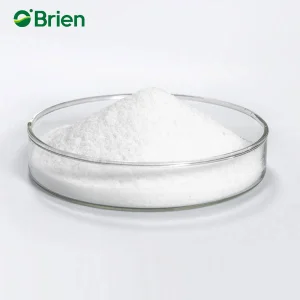
Ultra-high purity CPAM powder custom-formulated for industrial wastewater processing in Nagoya chemical clusters.
Optimal charge density for decoloring and organic removal in textile processing plants in the Chita & Bishu districts.
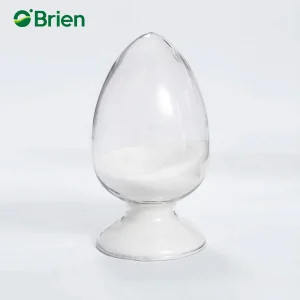
Rapid floc formation and high filtration rates suited for Nagoya urban sewage facilities and heavy manufacturing facilities.
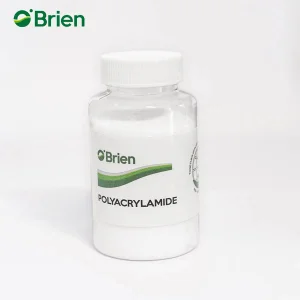
Enhances wet-end efficiency, fiber retention, and sheet formation in pulp & paper processing operations across Central Japan.
Nagoya, the capital of Aichi Prefecture, stands as the pulsating heart of Japan’s Chukyo Industrial Area—the world’s leading hub for automotive manufacturing, aerospace development, precision machinery, advanced ceramics, and chemical synthesis. Home to global industrial giants and vast sub-tier supply networks, the region operates under rigorous environmental regulation established by the Japanese Ministry of the Environment and local municipality standards.
Industrial wastewater treatment within the Nagoya Metropolitan Bay and Ise Bay catchments demands uncompromising precision. Advanced manufacturing facilities—ranging from automotive electrocoating lines to synthetic fiber dyeing plants—generate complex effluent profiles rich in colloidal organics, suspended solids, emulsified oils, and heavy metal complexes. Cationic Polyacrylamide (CPAM) has emerged as the definitive polymer flocculant required by Japanese plant managers to achieve complete solid-liquid separation, reduce sludge cake moisture content, and satisfy stringent Chemical Oxygen Demand (COD) / Biochemical Oxygen Demand (BOD) discharge limits.
Procurement directors and environmental engineers in Nagoya face multi-faceted challenges: escalating local waste-disposal tipping fees, strict moisture-content limitations for sludge landfilling and incineration, and tight environmental discharge mandates. Generic synthetic polymers often fail to achieve optimal flocculation under dynamic operational conditions. High-efficiency Cationic Polyacrylamide (CAS 9003-05-8) tailored specifically for negative surface charge neutralization provides the required operational stability.
Key drivers for CPAM adoption in Nagoya factories include:
Understanding Charge Neutralization, Polymer Chain Bridging, and Monomer Synthesis for Maximum Dewatering Performance.
Cationic Polyacrylamide is a linear water-soluble polymer synthesized through the copolymerization of acrylamide monomers with cationic monomers such as DAC (Acryloyloxyethyltrimethyl ammonium chloride) or DMC (Methacryloyloxyethyltrimethyl ammonium chloride). In solution, CPAM produces positively charged quaternary ammonium sites along its polymer backbone. These charges neutralize the negative double-layer potential (zeta potential) present on suspended particles, oil droplets, and organic sludge solids, allowing rapid particle aggregation.
Beyond charge neutralization, the high molecular weight (ranging from 8 million to over 12 million Daltons) of Oubo Chemical's CPAM polymers enables extensive molecular bridging. Individual long-chain polymer molecules simultaneously adsorb onto multiple suspended particulates, creating large, tough, fast-settling flocs. This structural integrity is critical during mechanical sludge dewatering under high shear forces in decanter centrifuges and multi-disk screw presses common in Nagoya manufacturing plants.
| Parameter / Grade | Low Cationic Charge | Medium Cationic Charge | High Cationic Charge | Ultra-High Cationic Charge |
|---|---|---|---|---|
| Charge Density (%) | 10% - 20% | 30% - 40% | 50% - 60% | 70% - 80% |
| Molecular Weight (Million Da) | 10 - 12 | 8 - 11 | 8 - 10 | 6 - 8 |
| Solid Content (%) | ≥ 88% | ≥ 88% | ≥ 88% | ≥ 88% |
| Dissolution Time (Mins) | ≤ 60 | ≤ 60 | ≤ 45 | ≤ 45 |
| Primary Nagoya Application | Paper Mill Retention / River Water Clarification | Municipal Sludge Dewatering & General Industrial Effluent | Automotive E-Coat Sludge & Textile Dyeing Dewatering | Biological Sludge & High-Organic Waste Dewatering |
Tailored Polymer Formulations Designed for Specific Operational Environments in Aichi, Mie, and Gifu Prefectures.
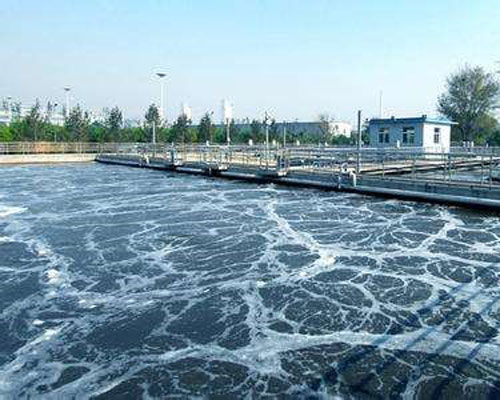
As a primary flocculating agent, CPAM is deployed across solid-liquid separation processes including clarification, thickening, and municipal sludge dewatering. Strict regional regulations in the Nagoya Bay area demand low polymer residual and ultra-clear filtrate supernatant.
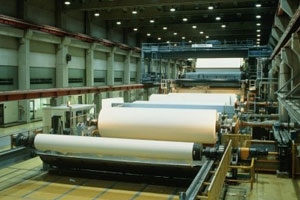
Serves as a high-efficiency dry strength agent, retention aid, and filtration accelerator. It neutralizes anionic trash, increases fine fiber and filler retention, and clarifies papermaking white water for closed-loop recycling.
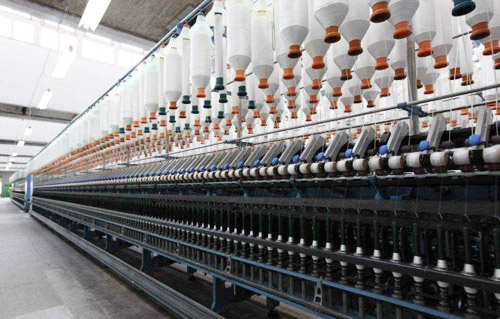
In Bishu (Aichi Prefecture’s historic textile zone), CPAM serves as a textile sizing modifier and primary flocculant for complex dye-bath effluent, dramatically reducing chemical sludge volume and wastewater color units.
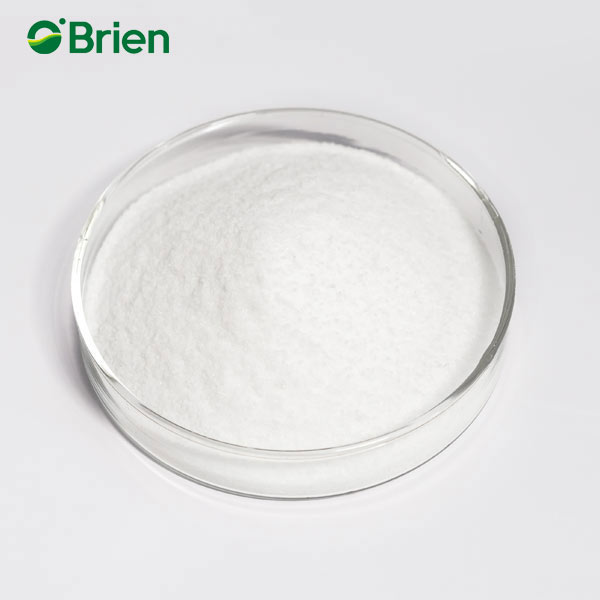
Used extensively in oil exploration, profile control, plugging agents, and enhanced oil recovery (EOR). Acts as a fluid loss reducer, shale inhibitor, and friction reducer under high salinity conditions.
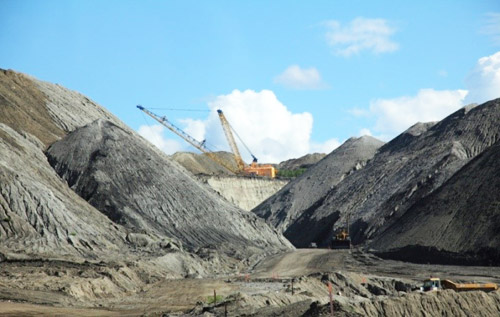
Essential for solid-liquid separation in mineral washing, tailings dewatering, and slurry settling across gold, silver, iron, copper, and coal processing plants worldwide.

Promotes rapid juice clarification and flotation in sugar production while managing high-BOD organic wastewater generated by food processing operations.
How Oubo Chemical Delivers Cost Advantages, Unmatched Batch Consistency, and Rapid Logistics to the Port of Nagoya.
Oubo Chemical utilizes third-generation biological enzymatic methods for monomer synthesis. Unlike traditional chemical catalysis methods, bio-catalysis produces acrylamide monomers of higher purity with zero copper residues and fewer branched impurities. This allows for precise control over molecular weight distribution and cationicity, yielding CPAM powders that dissolve faster and require lower dosages in industrial applications.
Operating out of the Qingdao Free Trade Zone, Oubo Chemical’s state-of-the-art facilities feature fully automated production lines monitored by DCS digital control systems. With an annual output exceeding 50,000 metric tons, every batch undergoes strict three-stage Quality Control testing prior to container loading, fully certified under ISO9001 standards.
Geographic proximity between Qingdao Port and the Port of Nagoya provides Japanese procurement managers with unmatched lead-time advantages. Standard ocean transit takes just 3 to 4 days, ensuring flexible inventory management, reduced safety stock burdens, and rapid response times for sudden industrial demand spikes.
Oubo Chemical Co., Ltd. was established in 2011 and is situated within the Free Trade Zone of Qingdao, China. Over the past decade, Oubo has maintained a consistent annual business growth rate exceeding 10%, establishing itself as a trustworthy global partner in synthetic polymer manufacturing. We are deeply committed to quality, professional technical service, and environmental stewardship throughout polymer production and field applications.
Our comprehensive portfolio specializes in Cationic Polyacrylamide (CPAM), Anionic Polyacrylamide (APAM), and Nonionic Polyacrylamide (NPAM). With advanced automated manufacturing equipment and a dedicated engineering team, we ensure all orders meet strict global standards. In 2018, our annual polyacrylamide production capacity surpassed 50,000 metric tons. Our quality management systems are fully certified under ISO9001, reflecting our pledge to back every bag of polymer we export.
As a global leader in Polyacrylamide synthesis, Oubo utilizes patented biological production methods. We reinvest over €2 million annually into chemical R&D to drive continuous technological breakthroughs.
We source raw chemical feeds from world-class suppliers like SINOPEC and Eni. Automated production lines paired with triple-stage QC testing guarantee reliable batch-to-batch consistency.
Our dedicated technical team assists clients through pre-sales polymer selection, lab jar-testing, plant trials, and post-sales dosing optimization, ensuring maximum cost-efficiency.
We constantly refine our green manufacturing processes to lower carbon footprints while producing non-toxic, highly biodegradable polymers that protect planet Earth.
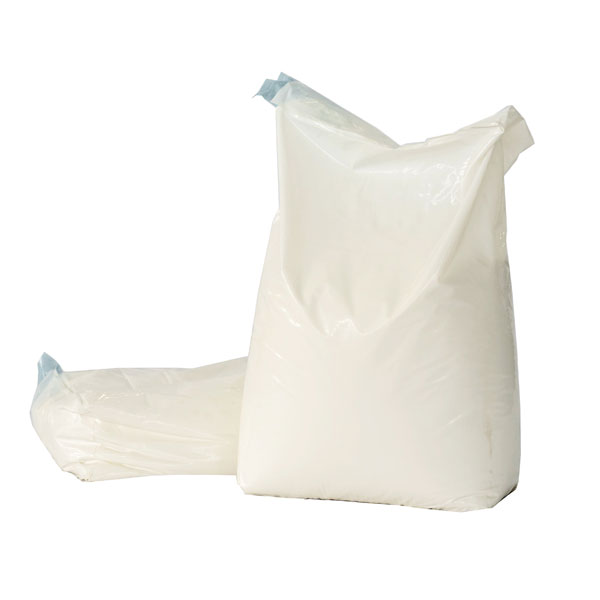
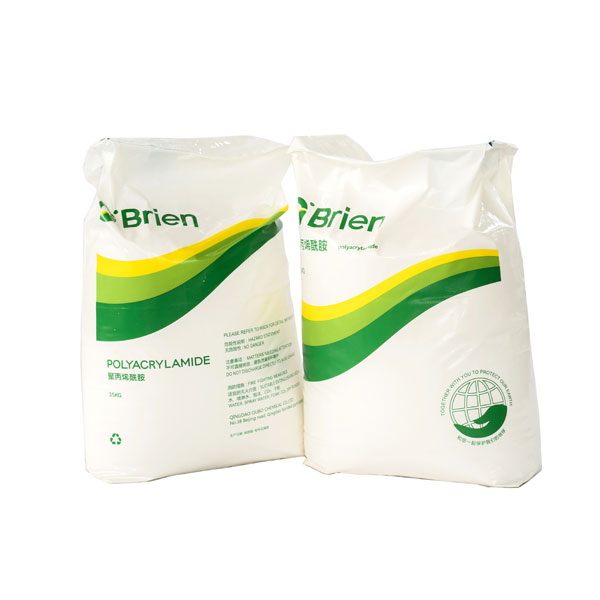
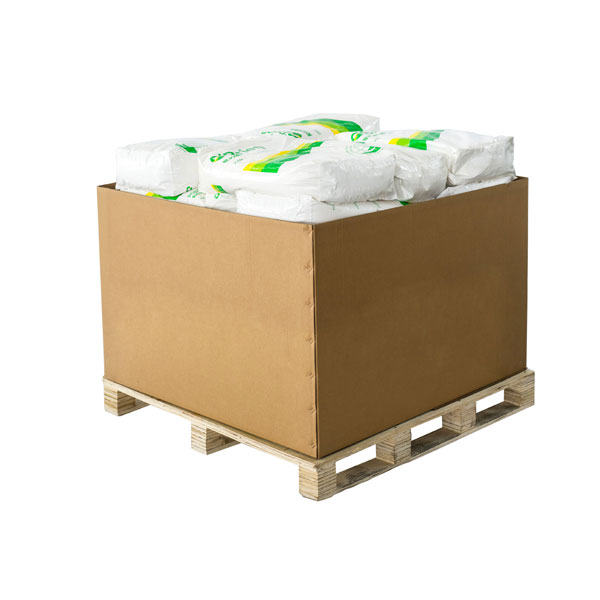
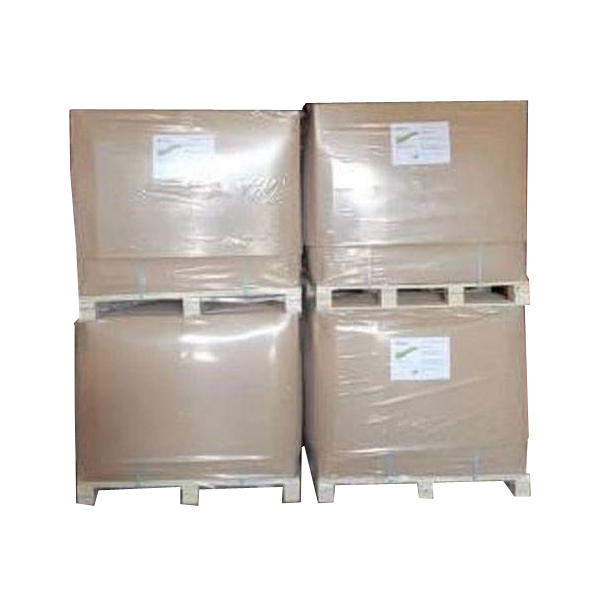
Explore our full range of Cationic, Anionic, and Nonionic polymers formulated for diverse separation challenges.
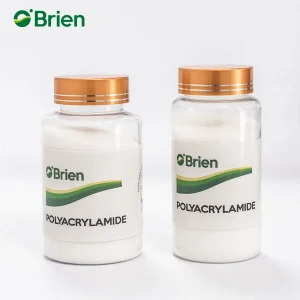
Specialized low-moisture cake formulation for mechanical dewatering equipment.
Superior color removal and COD reduction for industrial dye-house wastewater.
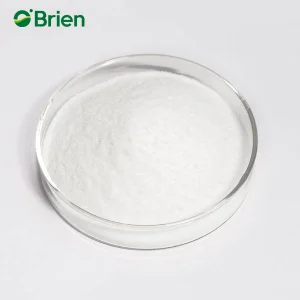
Rapid settling velocity for mineral slurries and heavy industrial solids suspension.
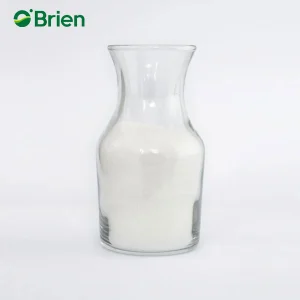
Thermal and shear-stable rheology modifier for drilling mud formulations.
High charge anionic flocculant engineered for refinery and metallurgical effluent treatment.
Food-grade compliant flocculants for sugar juice clarification and food waste dewatering.
Effective under low pH and high-acid industrial conditions across metal extraction processes.
Broad spectrum anionic polymer powders for general water clarification and soil stabilization.
Expert Guidance on Cationic Polyacrylamide Selection, Storage, Dosage, and Importing to Japan.
Selection depends primarily on the biological and organic makeup of your sludge. Highly organic municipal activated sludge typically requires medium to high cationicity (30% to 60%), whereas oily industrial sludges or electrocoating waste may demand ultra-high cationicity (60% to 80%). Oubo Chemical offers complimentary lab jar-testing service to analyze your wastewater sample and select the exact charge profile.
Direct vessel sailings from Qingdao Port to the Port of Nagoya take approximately 3 to 4 days. Including export clearance and destination handling, typical total door-to-door lead time is between 7 and 10 business days, allowing for lean inventory management.
Polyacrylamide powder is hygroscopic and should be stored in a cool, dry, well-ventilated warehouse away from moisture and direct sunlight. Unopened bags stored below 35°C maintain full activity for 24 months. Once opened, bags should be tightly resealed.
Yes. Oubo Chemical’s quality management framework is fully certified under ISO 9001:2008 standards. Our polymers comply with global environmental norms, producing minimal monomer residuals (<0.05%) for safe release into wastewater systems.
Biological monomer synthesis uses enzymatic catalysts to convert acrylonitrile to acrylamide at ambient temperatures. This process avoids heavy metal catalysts (such as copper), yields higher chemical purity, minimizes side-reactions, and produces long-chain polymers with superior flocculation efficiency.
Contact Oubo Chemical’s technical director team to request detailed technical datasheets (TDS), safety data sheets (MSDS), free sample kits, or custom pricing for the Nagoya industrial market.
 Oubo Chemical