Engineered for maximum solid-liquid separation performance under strict EU environmental regulations.
Hungary has rapidly emerged as a pivotal industrial and manufacturing hub in Central and Eastern Europe (CEE). Driven by massive foreign direct investments (FDI) in electric vehicle (EV) battery production, automotive engineering, pharmaceutical processing, and heavy industrial papermaking, Hungary's manufacturing output demands sophisticated environmental infrastructure. As the European Union tightens its Water Framework Directive (WFD) and national regulations enforced by the Hungarian National Inspectorate for Environment and Nature, industrial facilities across key hubs like Budapest, Debrecen, Győr, Miskolc, and Szeged are undergoing an accelerated modernization of their industrial wastewater treatment plants (WWTPs).
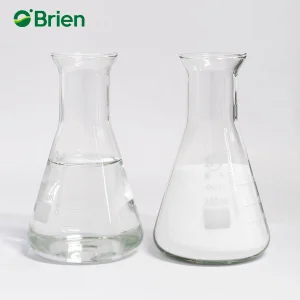
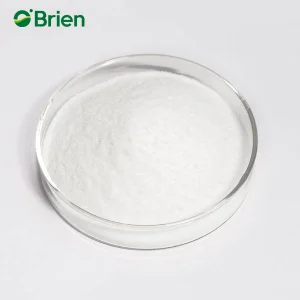
Central to this environmental transformation is Cationic Polyacrylamide (CPAM), a critical water-soluble polymer utilized primarily for solid-liquid separation, sludge dewatering, and colloidal clarification. CPAM carries positively charged functional groups (typically quaternary ammonium salts) along its acrylamide backbone, enabling it to neutralize the negative surface charges inherently present in organic sludge particles, suspended solids, and biological wastewater slurries.
For plant operators, environmental engineers, and procurement directors in Hungary, securing a consistent supply of ultra-high molecular weight CPAM with calibrated charge densities (from 10% to 80% cationic degree) is essential to achieving low cake moisture content, optimizing centrifuge/belt press filtration cycles, and ensuring full compliance with stringent EU discharge standards.
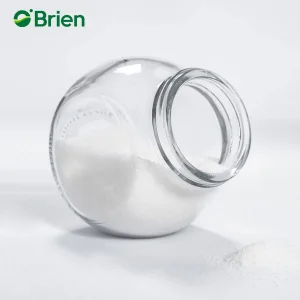
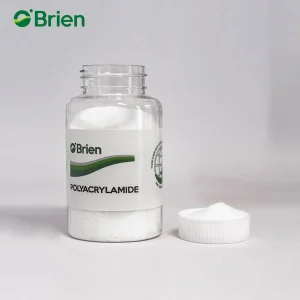
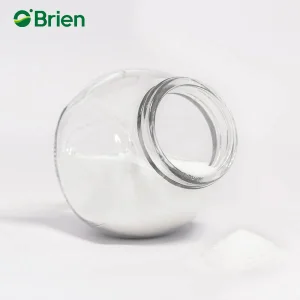
Polyacrylamide (PAM) is a linear water-soluble polymer synthesized from acrylamide monomers. Cationic Polyacrylamide (CPAM) is copolymerized by combining acrylamide with positively charged cationic monomers such as DAC (Acryloyloxyethyltrimethyl ammonium chloride) or DMC (Methacryloyloxyethyltrimethyl ammonium chloride).
The performance of CPAM in Hungarian industrial applications relies on two critical chemical parameters: Molecular Weight (MW) and Charge Density (Cationic Degree).
| Cationic Grade Range | Charge Density (%) | Molecular Weight (Million) | Primary Application Scenarios in Hungary |
|---|---|---|---|
| Low Cationic | 10% - 20% | 10.0 - 12.0 Million | Inorganic-rich municipal sludge, primary clarifiers, paper mill retention aid. |
| Medium Cationic | 30% - 40% | 9.0 - 11.0 Million | Secondary biological activated sludge dewatering, food processing wastewater. |
| High Cationic | 50% - 60% | 8.0 - 10.0 Million | High-organic pharmaceutical sludge, textile dyeing, battery factory chemical effluent. |
| Ultra-High Cationic | 70% - 80% | 6.0 - 8.0 Million | Oily sludge emulsions, chemical plant complex organic waste stream separation. |
Dual Action Flocculation Mechanism:
Delivering tailored polymer molecular structures to match the specific wastewater matrices of Central European industrial operations.
With Hungary rapidly becoming Europe’s lithium-ion battery manufacturing epicenter, facilities located in Northern Great Plain regions process large volumes of heavy metal slurries containing nickel, cobalt, and lithium residues.
Our specialized high-cationic CPAM series delivers rapid precipitation when combined with inorganic coagulants (like PAC), forming high-density flocs that prevent membrane fouling in downstream Reverse Osmosis (RO) zero-liquid discharge (ZLD) systems.
Municipal wastewater treatment facilities handling urban discharge in Greater Budapest and regional capitals require continuous sludge volume reduction to lower incineration and disposal costs.
Oubo Chemical’s medium-high charge CPAM powders produce strong flocs that withstand the high shear stress of decanter centrifuges and belt filter presses, increasing final cake solids to over 26% while leaving clear filtrate with low COD.
Packaging paper and pulp mills in Dunaújváros utilize CPAM as an essential wet-end retention and drainage aid.
By forming micro-flocs between pulp fibers and fine fillers, our low-charge, ultra-high MW cationic polyacrylamide improves machine speed, reduces fiber loss in white water, and lowers total energy consumption in sheet drying.
Hungary's extensive agricultural sector yields significant wastewater loads during seasonal sugar beet refining and vegetable processing.
Our food-grade compliant non-toxic CPAM formulations ensure fast organic solid settling in wash water recovery circuits, enabling up to 90% water recycling and reducing freshwater intake requirements.
In an era of global economic uncertainty and volatile energy costs in Europe, chemical procurement executives in Hungary face severe risks from supply disruption and price inflation. As a top-tier Chinese polyacrylamide manufacturer with a global footprint, Qingdao Oubo Chemical Co., Ltd. provides a highly resilient, cost-effective, and quality-assured supply line to Central Europe.
By eliminating intermediary traders and procuring directly from our Industry 4.0 smart factory in Qingdao, Hungarian plant operators achieve a 15% to 30% reduction in total chemical procurement costs without compromising on product performance or EU REACH compliance.
Oubo Chemical Co., Ltd was established in 2011, located in the Free Trade Zone of Qingdao, China. The Quality Control system of O'Brien is strict and comprehensive. Over the past 10 years, our annual business growth rate has maintained a steady 10%. Qingdao Oubo Chemical Co., Ltd. is highly committed to quality, service, and environmental sustainability during polymer production and application.
Oubo specializes in supplying Cationic Polyacrylamide, Anionic Polyacrylamide, and Nonionic Polyacrylamide. Our annual capacity broke through 50,000 Tons in 2018, and our quality management system is certified under ISO 9001:2008. We proudly stand behind our product quality and technical support.
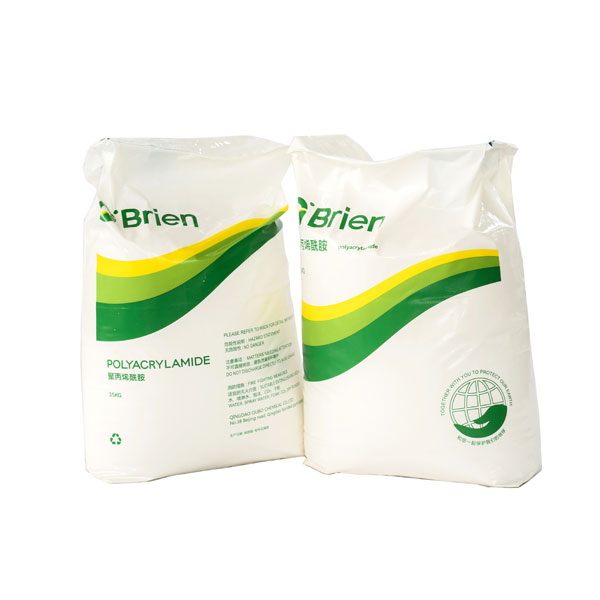
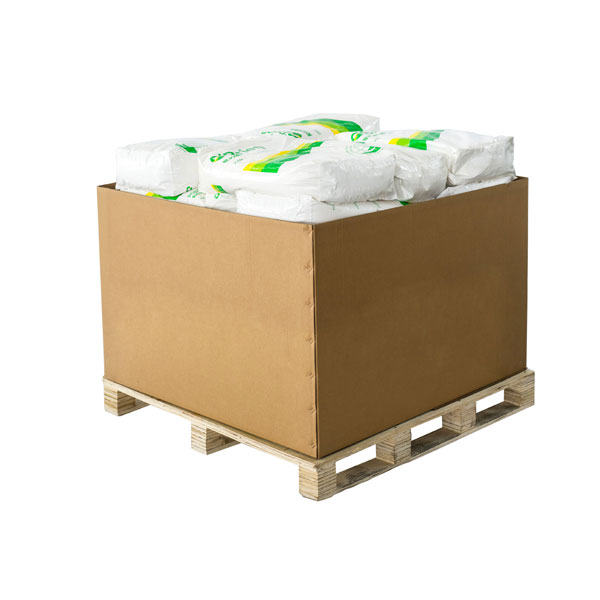
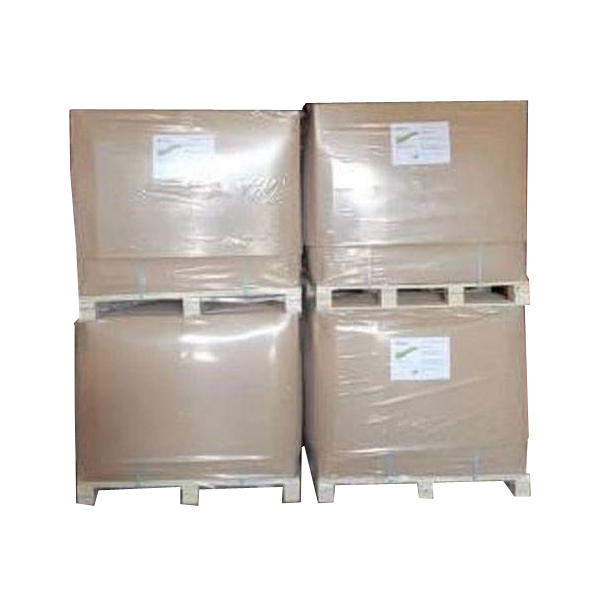
Selecting the ideal Cationic Polyacrylamide grade requires systematic Jar Testing. Chemical engineers in Hungary should follow Oubo’s recommended laboratory protocol to determine optimal polymer dosage and cationic charge matching:
Dissolve 1.0g of dry CPAM powder into 1000ml of distilled water to create a 0.1% (1g/L) active solution. Stir at 200-300 RPM for 45-60 minutes until complete dissolution without gel lumps ("fish eyes").
Take 500ml samples of target sludge/effluent. Add varying dosages of CPAM (e.g., 2ml to 10ml stock solution). Agitate rapidly at 150 RPM for 30 seconds to distribute polymer, then slow stir at 40 RPM for 2 minutes.
Observe floc size, settling speed, and supernatant clarity. Filter through a standard filter press cloth or Bucher funnel under vacuum to measure filtration speed and final filter cake dryness (DS%).
Expert insights addressing key technical, operational, and commercial questions for polyacrylamide sourcing in Hungary.
Explore our full range of Cationic, Anionic, and Nonionic Polyacrylamide formulations for global and CEE industrial applications.
 Oubo Chemical