Hamburg Industrial Water Treatment & Chemical Whitepaper

Cationic Polyacrylamide Manufacturers & Suppliers in Hamburg

Next-Generation Cationic Polymers (CPAM) & Advanced Flocculation Engineering for Municipal Sewage, Paper & Pulp, and Industrial Effluent Purification across Northern Germany

Request Technical Data Sheet & Direct Quotation

Featured High-Charge Cationic Polyacrylamide Grades for Hamburg Industry

Explore our premium cationic polyacrylamide portfolio specialized for heavy municipal wastewater sludge dewatering, port sediment treatment, and high-shear belt press filtration in Hamburg.
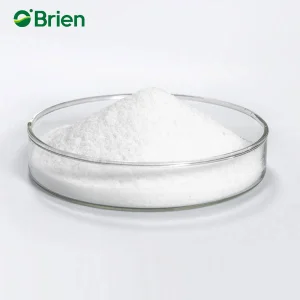
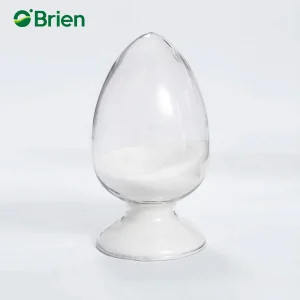
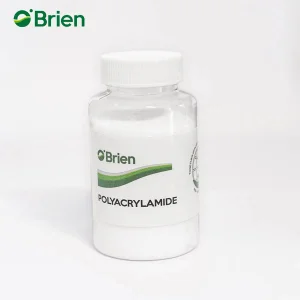
High Molecular Weight Cationic Polyacrylamide Hamburg Supplier
High-Molecular Weight Cationic Polyacrylamide Powder for Hamburg Plants
View Specification
Cationic Polyacrylamide Flocculant for Textile Wastewater
Wholesale Cationic Polyacrylamide (CAS 9003-05-8) Flocculant for Textile & Industrial Wastewater
View Specification
Municipal Wastewater CPAM Powder
Cationic Polyacrylamide Powder for Hamburg Municipal Sewage Dewatering
View Specification
Paper Making Retention Aid CPAM
Cationic Polyacrylamide Retention & Drainage Aid for Paper Making Industry
View Specification

Executive Summary: Cationic Polyacrylamide Demand in Metropolitan Hamburg

The Metropolitan Region of Hamburg (Metropolregion Hamburg) represents one of Northern Europe’s premier industrial and logistical hubs. Anchored by the Port of Hamburg (Hafen Hamburg)—Germany's largest seaport—the region operates under rigorous environmental directives mandated by the German Federal Water Act (Wasserhaushaltsgesetz - WHG), the Wastewater Charges Act (Abwasserabgabengesetz - AbwAG), and EU Water Framework Directives (2000/60/EC).

Cationic Polyacrylamide (CPAM), identified chemically by CAS Registry Number 9003-05-8, serves as a pivotal chemical reagent in solid-liquid separation processes throughout Hamburg’s municipal wastewater treatment facilities (such as the mega-capacity Köhlbrandhöft and Dradenau WWTPs), paper mills along the Elbe River, specialty chemical manufacturing units in Wilhelmsburg, and harbor maintenance dredging operations.

Why Hamburg Industries Require Engineered CPAM Polymers

  • High Electrical Charge Neutralization: Industrial and biological sludges generated in Hamburg carry negative surface zeta potentials. CPAM introduces cationic functional groups (quaternary ammonium salts) to instantly collapse electrical double layers.
  • Superior Shear Resistance: Ideal for modern high-speed decanter centrifuges and high-pressure belt filter presses operating under rigorous throughput requirements.
  • Strict Environmental Compliance: Low residual monomer (< 500 ppm acrylamide monomer) formulation ensures compliance with Water Hazard Class 1 (WGK 1) ratings.

Hamburg Industrial Water Footprint At-a-Glance

Hamburg’s wastewater sector processes over 400,000 cubic meters of wastewater daily. Effluent discharge quality into the sensitive Lower Elbe estuary demands precise control over Total Suspended Solids (TSS), Chemical Oxygen Demand (COD), and Biological Oxygen Demand (BOD).

By leveraging high-performance Cationic Polyacrylamide formulations from specialized manufacturers like Oubo Chemical, facility operators optimize cake dry solids content, lower disposal fees per metric ton of sludge, and reduce overall polymer consumption rates.

50,000+
Metric Tons Annual Production Capacity
10-80%
Tailored Cationic Charge Density (CD) Range
ISO9001
Quality Management Certified System
< 0.05%
Ultra-Low Residual Monomer Standards

Chemical Architecture & Technical Specifications

Cationic Polyacrylamide is copolymerized from non-ionic acrylamide monomers (AM) and cationic monomers such as Acryloyloxyethyltrimethylammonium Chloride (ADAME-QUAT / DAC) or Methacryloyloxyethyltrimethylammonium Chloride (MADAME-QUAT / DMC). The resulting linear macromolecule exhibits both high molecular weight (MW) and controlled charge density (CD), enabling dynamic bridging and charge neutralization.

Comparative Technical Matrix: Ionic Polyacrylamide Categories

Polymer Type Ionic Charge Range Molecular Weight (Million) Primary Industrial Targets in Hamburg Optimal pH Spectrum
Cationic PAM (CPAM) 10% – 80% Cationic 6.0 – 15.0 Million Municipal Sludge, Organic Effluents, Paper Retention 3.0 – 8.5 (Acidic to Weakly Alkaline)
Anionic PAM (APAM) 5% – 60% Anionic 8.0 – 22.0 Million Inorganic Wastewater, Sand Washing, Mining Tailing 7.0 – 14.0 (Neutral to Strong Alkaline)
Nonionic PAM (NPAM) 0% – 5% Ionic 5.0 – 12.0 Million Acidic Industrial Effluent, Soil Stabilization, Sugar Extraction 1.0 – 8.0 (Strongly Acidic Environments)

Physical & Chemical Specification Roadmap

Granular Powder Specifications

  • Appearance: Free-flowing white granular powder
  • Solid Content: ≥ 88% minimum
  • Dissolution Time: ≤ 60 minutes (under 25°C ambient water)
  • Insoluble Solids: ≤ 0.2%
  • Bulk Density: ~0.75 g/cm³
  • Residual Acrylamide: ≤ 0.05% (500 ppm standard)

Emulsion Product Specifications

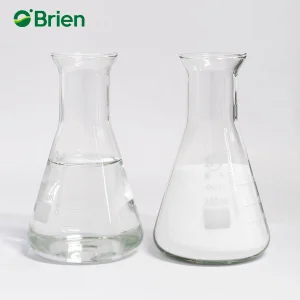
  • Appearance: Milky white liquid emulsion
  • Active Polymer Content: 30% – 50%
  • Dissolution Time: Rapid inverted (≤ 3 – 5 minutes)
  • Viscosity (0.5% sol): 400 – 1200 mPa.s
  • Freeze-Thaw Stability: Formulated for Northern European winters
  • Shelf Life: 6 months in original sealed drum/IBC

Macro Industry Solutions across the Hamburg Industrial Zone

The deployment of Cationic Polyacrylamide in Hamburg demands custom chemical engineering due to the complex industrial mix present in the metropolitan port region. Below are the core sectoral applications supported by our CPAM solutions.

1. Municipal & Industrial Sludge Dewatering

Sludge dewatering represents the highest demand sector for CPAM in Hamburg. Municipal sewage sludge contains high organic loads and negatively charged microbial cells.

Our medium-to-high charge cationic polyacrylamide (30% to 60% cationic degree) forms large, tight flocs capable of retaining integrity under continuous centrifugal force or mechanical belt compression.

Outcome: Cake dryness increases by 3% to 6%, reducing transport costs to incineration plants like MVR Müllverwertung Borsigstraße. Filter press filtrate clarity is maximized.

2. Paper & Pulp Manufacturing (Elbe Corridor)

Northern Germany hosts significant packaging and paper manufacturing. In paper wet-end chemistry, CPAM functions as a dual-component retention aid and drainage promoter.

By binding fine cellulose fibers, mineral fillers (calcium carbonate, kaolin), and internal sizing agents, CPAM reduces fiber loss in white water loops.

Outcome: Enhanced paper tensile strength, improved sheet formation, higher machine speed operation, and reduced load on the paper mill's internal effluent treatment plant.

3. Harbor Dredging & Silt Treatment

Maintaining navigable depths in the Elbe River and Hamburg port basins generates millions of cubic meters of dredged sediment annually.

Specially formulated low-to-medium cationic charge polyacrylamides assist in the mechanical dewatering of fine river sediments in dewatering plants (METHA plant).

Outcome: Accelerated dewatering times, clear overflow water meeting river discharge standards, and reduced volume of heavy-metal-bearing sediment for controlled land containment.

4. Industrial Chemical & Food Processing Effluents

Hamburg’s food industrial zones (dairy, vegetable oil refining, beverage processing) and specialty chemical plants release complex organic effluents with fluctuating pH and chemical loads.

Customized cationic polymers act as primary coagulants and flocculants in Dissolved Air Flotation (DAF) systems, separating emulsified fats, oils, grease (FOG), and colloidal proteins.

Outcome: COD/BOD levels reduced by up to 75% prior to discharge into public sewers, minimizing municipal surcharge fees.

Global Manufacturing Capabilities: Oubo Chemical Co., Ltd.

Oubo Chemical Co., Ltd. was established in 2011 and is strategically located in the Free Trade Zone of Qingdao, China. Over the past decade, Oubo has maintained a consistent annual business growth rate of over 10%, emerging as a trusted worldwide polyacrylamide producer serving municipal utilities, chemical distributors, and engineering contractors across Germany and Europe.

Oubo specializes in the comprehensive synthesis of Cationic Polyacrylamide, Anionic Polyacrylamide, and Nonionic Polyacrylamide. Equipped with automated, state-of-the-art continuous polymerization production lines, Oubo’s annual polyacrylamide manufacturing capacity broken through 50,000 Metric Tons in 2018. The facility’s strict quality management system is fully certified according to ISO 9001:2008.

Why Hamburg Buyers & Distributors Partner with Oubo Chemical

  • Patented Bio-Monomer Technology: Utilizing advanced enzymatic biological methods to produce ultra-pure acrylamide monomers, resulting in higher molecular weight polymers with minimal toxic residuals.
  • Heavy R&D Investment: Investing over €2 million annually into polymer research, synthesis optimization, and application field testing.
  • Global Raw Material Supply Chain: All primary raw materials are sourced from world-class suppliers including SINOPEC, Eni, and other leading chemical manufacturers.
  • Rigorous 3-Stage QC Testing: Every individual production batch undergoes three rounds of stringent quality control testing before shipment release.
  • Direct Shipping to Port of Hamburg: Direct ocean freight routes connecting Qingdao Free Trade Zone with HHLA and EUROGATE terminals in Hamburg for fast customs clearance.
  • Technical Field Support: Experienced technical team involved in pre-sales jar testing, operational optimization, and post-sales technical assistance.
Connect with Our Technical Sales Team

Packaging Options & Logistics Specifications for European Logistics

To ensure safe transport, moisture protection, and efficient handling at German industrial sites, Oubo Chemical provides standardized, high-integrity packaging options compliant with international shipping regulations.
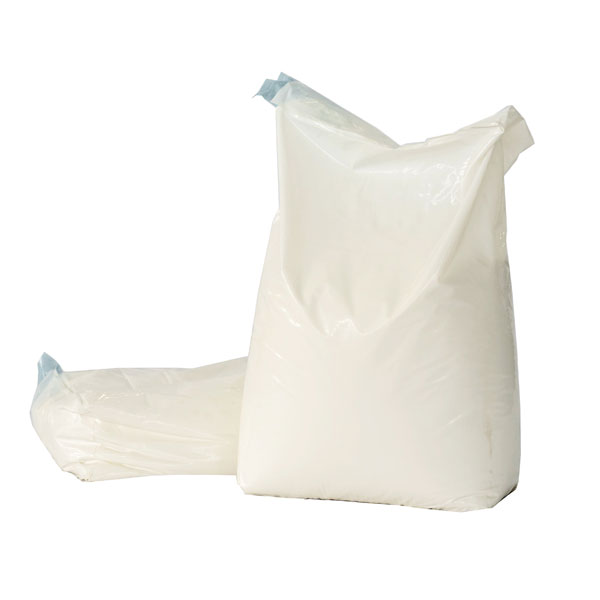
Blank Kraft Bag Packaging

Blank Neutral Bag

25kg PE-lined inner kraft paper bags. Neutral printing ideal for chemical distributors and private label OEM partners in Germany.
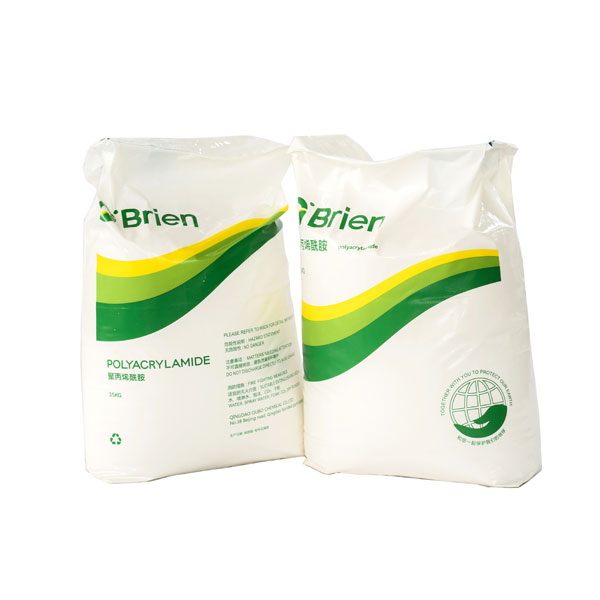
Normal Standard Printed Bag

Standard Printed Bag

25kg heavy-duty valve bags featuring O'brien brand markings, chemical safety labels, batch numbers, and UN compliance details.
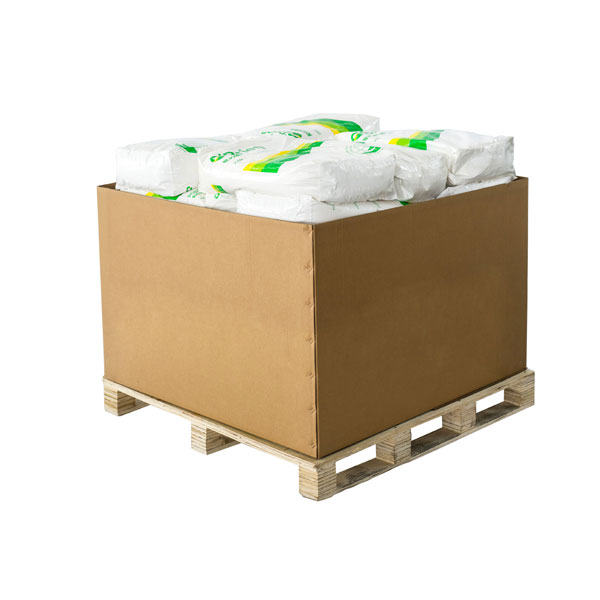
Jumbo Big Bag Bulk Packaging

Bulk Jumbo Bag

750kg / 1000kg FIBC Super Sacks with bottom discharge spout for high-volume automated dosing systems in large WWTPs.
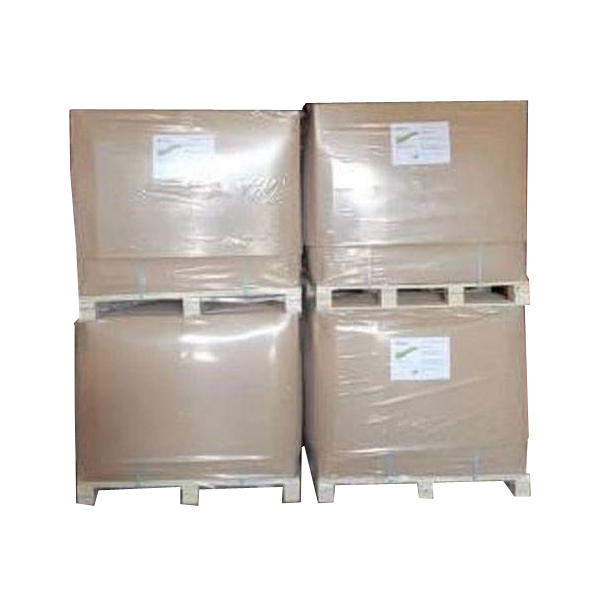
Palletized Shrink-Wrapped Export Package

Palletized Unit

Standard Euro-pallet layout (1.2m x 1.0m), shrink-wrapped with protective corner boards for optimal container loading efficiency.

Technical Selection & Dosing Optimization Guide

Achieving the lowest operational cost per dry ton of sludge requires rigorous laboratory evaluation. Wastewater matrix variations in Hamburg require precise pairing of charge density and molecular weight.

Step-by-Step Laboratory Jar Testing Protocol

  1. Stock Solution Preparation: Dissolve 1.0 gram of dry CPAM powder into 1000 mL of deionized or tap water (0.1% w/v concentration). Stir at 200–300 RPM for 60 minutes until completely dissolved without fish-eyes.
  2. Sludge Sample Calibration: Measure 500 mL of fresh sludge into jar test beakers. Record pH, total suspended solids (TSS), and baseline temperature.
  3. Polymer Dosing Increments: Inject varying dosages (e.g., 2.0 ppm, 4.0 ppm, 6.0 ppm, 8.0 ppm) under rapid mixing (200 RPM) for 30 seconds to promote charge dispersion.
  4. Flocculation Observation: Reduce mixing speed to 40 RPM for 2 minutes. Evaluate floc size, settling speed, supernatant turbidity, and flocs shear resistance.
  5. Dewatering Evaluation: Pour the treated sludge into a capillary suction time (CST) tester or Buchner funnel filter setup to measure filtration speed and wet cake moisture.

Dosing Equipment & Preparation Best Practices

1. Water Temperature: Optimal dissolution water temperature is between 20°C and 35°C. Water below 10°C slows dissolution; water above 50°C risks thermal polymer degradation.

2. Agitation Control: Use low-shear impellers. Excessive shear speeds (>600 RPM) after dissolution can shear polyacrylamide polymer chains, reducing flocculating efficiency by 20–40%.

3. Solution Storage: Prepared 0.1% CPAM stock solutions should be used within 24 to 48 hours for maximum active polymer performance.

Environmental Sustainability & Regulatory Future (2025–2030)

As environmental regulations tighten across the EU and Germany, chemical manufacturers are advancing green polymer chemistry. Key developmental vectors for polyacrylamide applications in Hamburg include:

REACH & ECHA Compliance

Full compliance with European Chemicals Agency (ECHA) registration protocols, ensuring trace monomer contents strictly conform to German potable and environmental discharge standards.

Bio-Based Precursors

Development of bio-derived acrylic monomers to replace fossil-fuel raw materials, aiming for up to 30% reduction in product carbon footprint (PCF).

Micro-Emulsion Tech

Advanced water-in-water micro-emulsion systems that eliminate volatile organic solvent (VOC) carriers while achieving near-instantaneous inversion.

Smart AI Dosing Loops

Integration of real-time streaming zeta potential sensors and optical turbidity meters to dynamically adjust polymer dosing in response to flow surges.

Complete Polyacrylamide Product Range for German Industrial Buyers

Browse our extensive selection of Cationic, Anionic, and Nonionic Polyacrylamide formulations for specialized industrial applications.
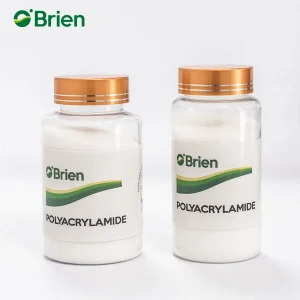
Sludge Dewatering CPAM
Cationic Polyacrylamide (CPAM) for Sludge Dewatering & Flocculation
View Specification
China Cationic Polyacrylamide Manufacturer
China Cationic Polyacrylamide Manufacturer & Export Supplier
View Specification
Wholesale Anionic Polyacrylamide
Wholesale Anionic Polyacrylamide High MW Flocculant Powder
View Specification
Industrial Wastewater Treatment Powder
Wholesale Cationic Polyacrylamide Powder for Industrial Effluents
View Specification
PAM Anionic Polyacrylamide
Wholesale PAM Anionic Polyacrylamide Manufacturer & Direct Factory
View Specification
Nonionic Polyacrylamide Flocculant Acidic Wastewater
Nonionic Polyacrylamide Flocculant for Acidic Industrial Wastewater
View Specification
Textile Polyacrylamide Flocculant
Cationic Polyacrylamide (CAS 9003-05-8) Flocculant for Dyeing Effluent
View Specification
Anionic Polyacrylamide Sewage Treatment
Anionic Polyacrylamide (APAM) for Municipal Sewage & Dewatering
View Specification

Additional Specialized Chemical Solutions:

Nonionic Oilfield Thickener High MW Petrochemical APAM Paper Strength Agent APAM Food & Sugar Refining APAM

Frequently Asked Questions (FAQ) - Hamburg Industrial Procurement

Q1: How do I select the exact Cationic Charge Density (10% to 80%) for my Hamburg plant?
Selection depends on your sludge's organic ratio (volatile solids content) and electrical surface charge. Generally, biological activated sludge with high organic content requires higher cationic charge density (40% to 60%), whereas primary digested sludge or mixed inorganic sludge requires low-to-medium cationic charge (15% to 30%). Oubo Chemical offers free jar testing samples to determine the precise dosage and charge required.
Q2: What is the transit lead time from Qingdao Free Trade Zone to Port of Hamburg?
Direct container vessel sailings from Qingdao Port to Hamburg (HHLA/EUROGATE terminals) typically take 28 to 35 ocean transit days. Factory manufacturing and export documentation clearance require approximately 5 to 7 days, enabling reliable supply chain scheduling for German chemical buyers.
Q3: Do Oubo Chemical’s Polyacrylamide products comply with EU REACH standards?
Yes. Oubo Chemical ensures full compliance with European Chemicals Agency (ECHA) REACH regulations. All constituent acrylamide monomers are registered, and residual monomer levels are strictly controlled under 0.05% (500 ppm), satisfying German WHG and environmental safety thresholds.
Q4: Can Oubo Chemical supply customized OEM packaging for German distributors?
Absolutely. We regularly provide neutral unbranded kraft paper bags (25kg), customized German-language printed bags, and 750kg/1000kg bulk super sacks on standard Euro-pallets complete with batch coding and GHS safety labeling.
Q5: How does Cationic Polyacrylamide compare against inorganic coagulants like PAC or Ferric Chloride?
Inorganic coagulants (such as Polyaluminum Chloride or Ferric Chloride) neutralize charge by increasing ionic strength but create massive inorganic sludge volume. CPAM operates at drastically lower dosages (grams vs. kilograms), forms significantly larger, shear-resistant flocs, and yields a substantially drier filter cake with minimal ash content.

Ready to Optimize Your Wastewater & Dewatering Performance?

Contact Oubo Chemical’s engineering team today to request free product samples, comprehensive technical data sheets (TDS), safety data sheets (SDS), or a custom price quote tailored for Hamburg delivery.

Send Inquiry Now