Engineered for extreme performance in tropical climates, high-solids sludge dewatering, and complex industrial effluent clarification.
As the second-largest economy in Southeast Asia, Thailand is undergoing rapid industrial expansion under the national Thailand 4.0 policy and the development of the Eastern Economic Corridor (EEC) encompassing Rayong, Chonburi, and Chachoengsao provinces. This industrial surge—spanning heavy petrochemical refining, automotive assembly, electronics manufacturing, agro-industrial processing, and textiles—has significantly heightened the volume and chemical complexity of industrial wastewater.
Concurrently, the Ministry of Natural Resources and Environment (MNRE) and the Industrial Estate Authority of Thailand (IEAT) have implemented stricter environmental enforcement regulations regarding Chemical Oxygen Demand (COD), Total Suspended Solids (TSS), and heavy metal discharge thresholds into major river basins such as the Chao Phraya, Bang Pakong, and Tha Chin rivers.
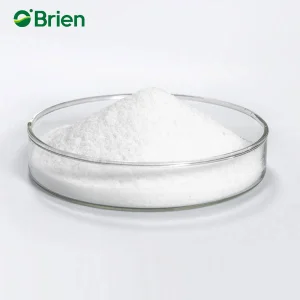
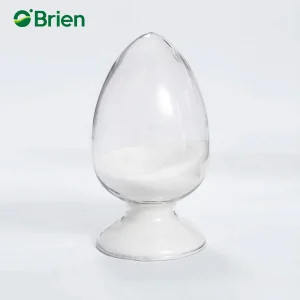
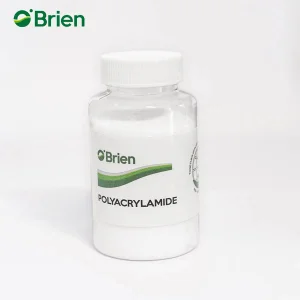
To comply with these stringent environmental norms while maintaining operational efficiency, industrial wastewater plants across Thailand rely heavily on high-molecular-weight Cationic Polyacrylamide (CPAM, CAS 9003-05-8). CPAM serves as an indispensable polyelectrolyte that accelerates solid-liquid separation, neutralizes negatively charged colloidal particles, and produces ultra-low moisture filter cakes during sludge dewatering processes.
Thailand's tropical climate (average ambient temperatures between 28°C to 38°C) accelerates polymer thermal degradation. Oubo's CPAM formulations feature high structural stability against thermal chain scission.
Agro-processing (tapioca starch, palm oil, seafood) generates dense biological sludge. Our medium-to-high charge cationic polymers deliver tight floc structure and rapid water release.
Streamlined direct shipping lanes from our Qingdao manufacturing hub to Laem Chabang Port and Bangkok Port (Klong Toey) guarantee predictable lead times and stock continuity.
Understanding charge density customization, molecular weight optimization, and bio-catalytic monomer synthesis for superior flocculation performance.
Cationic Polyacrylamide is synthesized by copolymerizing acrylamide (AM) with cationic monomers, predominantly Acryloyloxyethyltrimethyl Ammonium Chloride (DAC) or Methacroyloxyethyltrimethyl Ammonium Chloride (DMC). By precisely modulating the molar ratio of cationic functional groups, Oubo produces CPAM variants tailored for specific zeta potential neutralization requirements in organic sludges.
The mechanical shear stability and bridging capability of CPAM rely heavily on chain length. Through low-temperature free-radical initiation techniques, our polymers achieve molecular weights exceeding 12 Million Daltons. This extended polymeric chain length creates robust inter-particle bridges, forming large, rapidly settling flocs that resist shearing in high-speed decanter centrifuges.
Oubo Chemical utilizes advanced bio-catalytic enzyme technology to synthesize Acrylamide monomer from Acrylonitrile. Unlike traditional copper-catalyzed synthesis, the biological method operates under mild temperatures without metallic impurity residues, resulting in ultra-pure monomer feedstock, minimal residual acrylamide content (<250 ppm), and superior polymerization yield.
Specially processed micro-bead granules feature optimized surface energy, permitting complete solvation within 45 to 60 minutes in automatic polymer preparation systems. The resulting aqueous solution maintains viscometric stability over extended storage periods under humid tropical industrial environments.
Empirical lab testing and field trial operational metrics across industrial sludge dewatering installations in Thailand.
| Performance Indicator | Conventional Inorganic Coagulants (Alum/PAC) | Generic Market CPAM | Oubo Chemical High-Grade CPAM |
|---|---|---|---|
| Floc Formation Speed | Slow (120 - 300 seconds) | Moderate (30 - 60 seconds) | Ultra-Fast (< 15 seconds) |
| Cake Moisture Content (Centrifuge) | 82% - 88% | 78% - 82% | 72% - 76% (Max Dryness) |
| Effective Dosage Rate (kg/ton dry solids) | 50.0 - 150.0 kg/t | 3.5 - 6.0 kg/t | 1.8 - 3.2 kg/t (30-40% Savings) |
| Shear Resistance in High-Speed Centrifuges | Very Low (Flocs break easily) | Moderate (Partial floc destruction) | Exceptional Structural Integrity |
| Filtrate Clarity / Supernatant Turbidity | High Turbidity (> 150 NTU) | Moderate Clarity (40 - 80 NTU) | Crystal Clear (< 15 NTU) |
| Thermal Stability in Tropical Water (>35°C) | Poor (High inorganic salt load) | Prone to viscosity loss | Stable molecular matrix |
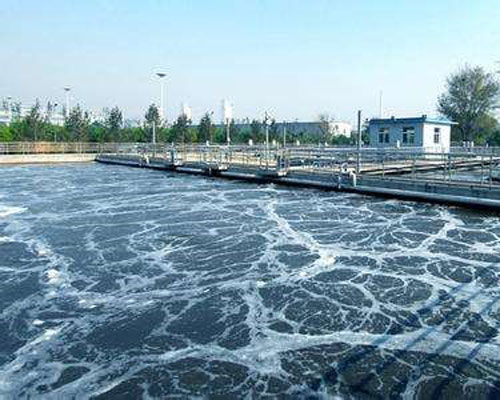
Used extensively in municipal sludge treatment plants in the Bangkok Metropolitan Region and industrial estate WWTPs across Map Ta Phut and Eastern Seaboard. CPAM facilitates rapid water release in belt presses and centrifugal dewatering units.
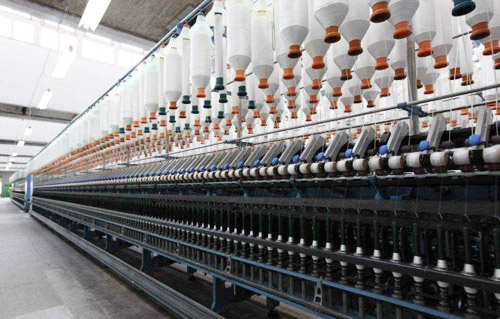
Textile manufacturing clusters in Samut Prakan and Chonburi produce high-color, alkaline effluent containing anionic dyes. High-charge CPAM neutralizes charged dye complexes, decoloring wastewater and speeding up secondary clarifier settling.
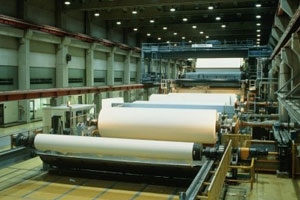
Paper mills in Kanchanaburi and Chachoengsao utilize CPAM as retention and drainage aids. CPAM binds fine fibers and fillers to the sheet matrix, improving machine runnability, sheet formation, and reducing white water solid loss.
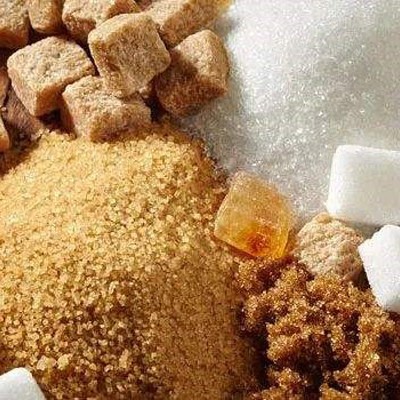
Thailand is a leading exporter of sugar and processed cassava. In sugar mills (Nakhon Sawan, Khon Kaen), our food-grade polymers aid juice clarification and wash-water recycling with fast sedimentation velocities.
Rayong's extensive petrochemical refining zone generates emulsified oily wastewater. High-charge cationic polymers break complex oil-in-water emulsions, allowing efficient dissolved air flotation (DAF) skim removal.
For kaolin, sand washing, and mineral processing units in Southern Thailand, CPAM enables rapid tailings thickener settling and closed-loop process water recovery, conserving local water resources.
Established in 2011 inside the Qingdao Free Trade Zone, China, Oubo Chemical operates world-class automated polymer production lines with an annual capacity breaking 50,000 Metric Tons.
All key raw materials (Acrylonitrile, DAC, DMC) are sourced from tier-one global chemical leaders such as SINOPEC and Eni. Our fully automated polymerization units maintain strict batch-to-batch consistency, eliminating molecular weight fluctuations and ensuring uniform dissolution performance for end-users in Thailand.
Our team of specialized chemical engineers provides comprehensive support throughout the procurement lifecycle: initial effluent analysis, benchtop jar testing, plant trial optimization, and post-sales dosing system adjustments tailored specifically to Thailand's local plant operating conditions.
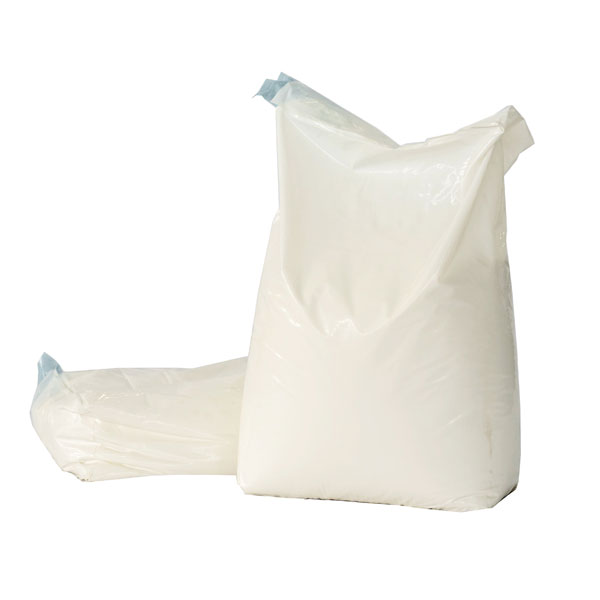
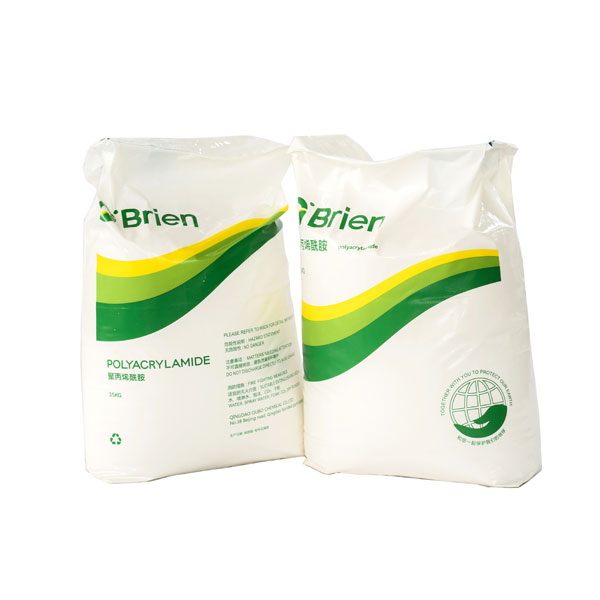
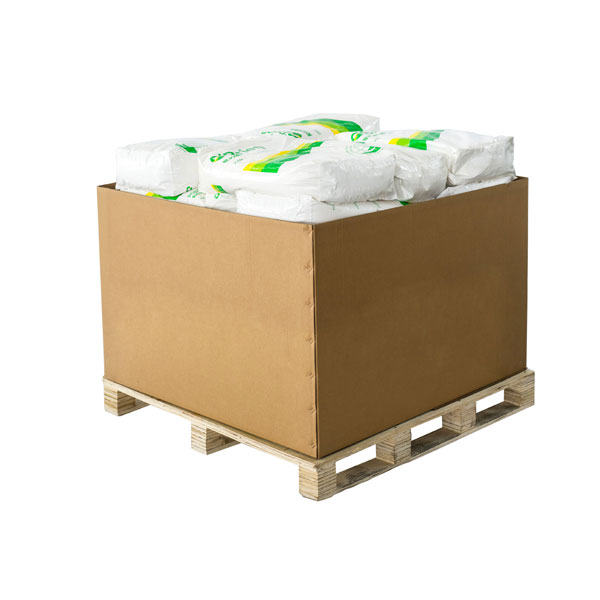
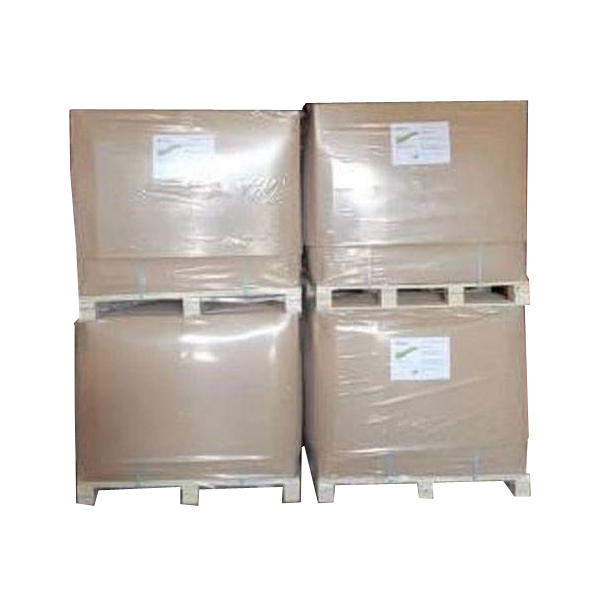
To prevent caking and hydrolytic breakdown during maritime transit through humid equatorial sea routes, we utilize multi-layer sealed barrier packaging.
In response to escalating global health standards and eco-label requirements in Thailand, Oubo is advancing secondary post-polymerization vacuum degasification to reduce residual acrylamide (AM) monomer concentrations to under 100 ppm, guaranteeing safe discharge into sensitive aquatic ecosystems.
Our R&D center is actively developing modified biopolymer-CPAM hybrids incorporating starch and cellulose backbones. These next-generation flocculants offer enhanced natural biodegradability while maintaining the high dewatering performance demanded by modern industrial facilities.
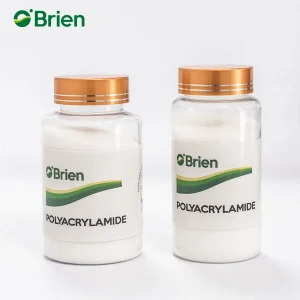
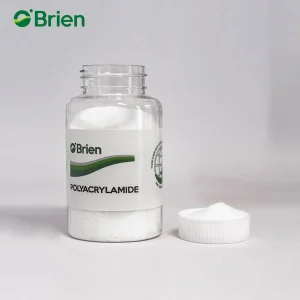
Explore our full line of cationic, anionic, and non-ionic polymers formulated for diverse municipal and industrial separations.
Technical guidance on selecting, dissolving, dosing, and storing Cationic Polyacrylamide in Thailand.
Selecting the optimal charge degree (10% to 80% mol) depends on the proportion of organic solids present. Biological sludges (e.g., food processing, municipal secondary sludge) typically require medium to high cationic charge (30%–60%), while inorganic or mixed sludges respond better to low cationic charge (10%–20%). We recommend laboratory Jar Testing with real substrate samples before full-scale deployment.
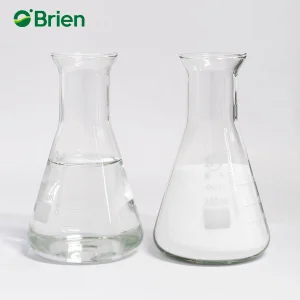
Water temperature should ideally be between 20°C and 35°C. Dissolve the polymer at a concentration of 0.1% to 0.3% (w/v). Ensure continuous mechanical agitation (200–400 rpm) while gradually feeding the powder into the water vortex using an automatic dry powder feeder. Mix for 45 to 60 minutes until the solution becomes homogeneous without undissolved gels ("fish-eyes").
Dry CPAM powder is hygroscopic and can absorb moisture from air with high relative humidity, leading to clumping. Store un-opened bags off the ground on wooden pallets in a cool, dry, well-ventilated warehouse. Keep bags tightly sealed. When stored under proper ambient conditions below 35°C, product shelf life exceeds 24 months.
With direct maritime shipping routes from Qingdao Port to Laem Chabang and Bangkok Ports, transit time is typically 7 to 10 days. Total lead time, including order processing and customs clearance, is generally within 14 to 20 days. Emergency safety stock can also be arranged via regional stock points.
Yes. Dual-chemical treatment programs often yield superior clarity. Typically, an inorganic coagulant (such as Polyaluminum Chloride or Ferric Sulfate) is added first to neutralize colloidal surface charges and form micro-flocs, followed by CPAM addition in a secondary stage to bridge micro-flocs into large, easily dewatered macro-flocs.
Yes. All Oubo CPAM products adhere to strict ISO9001:2008 quality management controls and contain minimal residual acrylamide monomer (<250 ppm), ensuring that treated effluent complies with MNRE and IEAT industrial discharge standards in Thailand.
Contact our Senior Chemical Engineering team to request free Jar Test samples, technical data sheets (TDS), or custom price quotes tailored to your plant's specific operational requirements.
Send Inquiry Now Oubo Chemical