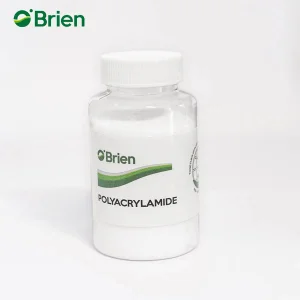
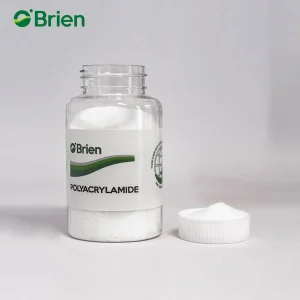
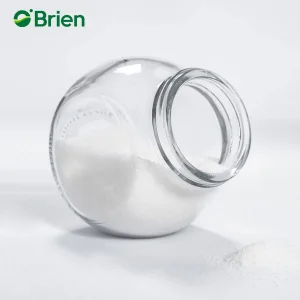
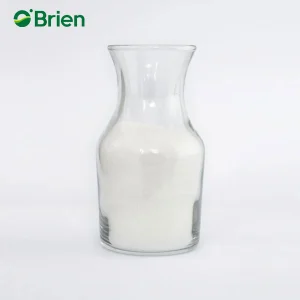
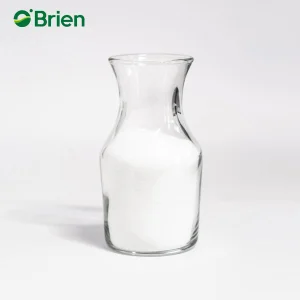
Premium Grade Cationic Polyacrylamide (CPAM) Flocculants Tailored for Industrial & Municipal Operations in Japan
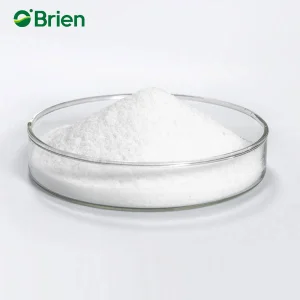
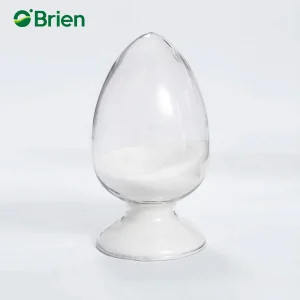
In-Depth Analysis of Chemical Specifications, Local Market Demands, and Advanced Flocculation Science
Macro Market Environment in Japan: Japan's industrial landscape, spanning key manufacturing clusters across Tokyo-Yokohama (Keihin), Nagoya (Chukyo), and Osaka-Kobe (Hanshin), operates under some of the world's most stringent environmental standards enforced by the Ministry of the Environment (MOE) and local prefectural regulations. The statutory enforcement of the Pollutant Release and Transfer Register (PRTR) law and updated Water Pollution Prevention Act mandates industrial operators to reduce chemical oxygen demand (COD), total organic carbon (TOC), and sludge volume with unprecedented efficiency.
In this strict regulatory environment, Cationic Polyacrylamide (CPAM) has emerged as the definitive water-soluble linear polymer essential for liquid-solid separation, sludge dewatering, and process water recycling. Japanese procurement teams require CPAM formulations with ultra-fast dissolution rates, consistent charge density distribution, and extremely low residual acrylamide monomer (AMD) content to ensure compliance with downstream disposal standards.
CPAM is synthesized via the copolymerization of acrylamide (AM) with cationic monomers such as Acryloyloxyethyltrimethyl ammonium chloride (DAC) or Methacroyloxyethyltrimethyl ammonium chloride (DMC). The polymer chain contains positive active functional groups (-NH2, =NH) that adsorb negatively charged suspended particles in industrial effluent. Through charge neutralization and macromolecular chain bridging, small micro-flocs rapidly coalesce into large, compact aggregates, dramatically accelerating liquid-solid separation and maximizing sludge cake dryness.
| Grade Type | Ionic Degree (Cationic %) | Molecular Weight (Million) | Solid Content (%) | Dissolution Time (Mins) | Primary Japanese Industrial Application |
|---|---|---|---|---|---|
| CPAM Micro-Low Charge | 10% - 20% | 10.0 - 12.0 | ≥ 88% | ≤ 45 | Paper manufacturing retention aid, municipal primary clarification |
| CPAM Medium Charge | 30% - 40% | 8.0 - 11.0 | ≥ 88% | ≤ 45 | Belt filter press sludge dewatering, textile effluent treatment |
| CPAM High Charge | 50% - 60% | 6.0 - 10.0 | ≥ 88% | ≤ 40 | Centrifugal decanter dewatering, food processing wastewater |
| CPAM Ultra-High Charge | 70% - 80% | 5.0 - 8.0 | ≥ 88% | ≤ 40 | Multi-disk screw press, high-organic pharmaceutical sludge |
Precision Flocculant Architectures Designed for Japan's Specific Technical Requirements
Japanese wastewater facilities increasingly utilize high-torque screw presses and centrifuges. Oubo's CPAM products deliver super-strong floc structure under shear forces, boosting dry cake solids while yielding crystal-clear filtrate with negligible suspended solids.
As a retention agent, drainage aid, and dry-strength booster, our CPAM optimizes fiber retention in high-speed paper machinery, balances wet-end charge, and minimizes filler losses in premium specialty paper mills in Japan.
High ionic strength cationic polymers effectively neutralize negative electrical charges on dye molecules, achieving superior color removal, COD breakdown, and rapid phase separation in industrial textile effluent systems.
Advanced non-ionic and cationic formulations enable fast settling rates for coal washing, silica recovery, and metal ore slurry treatment, enabling 95%+ water recycle rates in processing plants.
For high-organic content waste streams rich in protein and oils, specialized high-charge CPAM creates resilient flocs that prevent filter media blinding and shorten cycle times.
Oubo provides tailored molecular weight and cationicity adjustments based on local lab Jar Test evaluations, matching exact plant operating parameters and pump capacities in Japan.
World-Class Manufacturing Excellence, Proprietary Biotechnology Processes & Rigorous Global Quality Standards
Oubo Chemical Co., Ltd was established in 2011, located in the Free Trade Zone of Qingdao, China. Over the past decade, Oubo has maintained a steady business growth rate exceeding 10% per year, establishing itself as a global leader in high-molecular-weight polyacrylamide production. The annual capacity of polyacrylamide broke through 50,000 Tons, and our quality management system is fully certified under ISO 9001:2008.
Oubo Chemical is highly committed to quality, service, and environmentally sustainable production. We utilize patented biological polymerization methods to manufacture acrylamide monomers with minimal energy consumption and zero toxic byproduct generation. Investing over €2 Million annually in R&D, our technical team works closely with global clients to develop next-generation flocculants tailored to complex industrial challenges.
Qingdao OUBO Chemical Co., Ltd is a world-leading manufacturer of Polyacrylamide. Utilizing patented biological monomer production methods, we ensure higher molecular weight integrity and consistent polymer purity.
Global supply chain integrity. Raw materials are sourced from premier global leaders like SINOPEC and Eni. Automated production lines ensure every batch is tested 3 times by our QC team prior to dispatch.
Dedicated technical support spanning pre-sales lab Jar Testing, chemical selection, machine trial runs, and post-sales optimization to ensure seamless integration into Japanese treatment plants.
Technical Scope Across Municipal Water Treatment, Pulp & Paper, Oilfield EOR, Mining, and Specialty Processing
As a flocculating agent, CPAM and PAM products are primarily used in industrial solid-liquid separation processes, including sedimentation, clarification, concentration, and sludge dewatering. Polyacrylamide plays an indispensable role in municipal sewage treatment and industrial wastewater purification. Increasingly stringent environmental regulations drive the continuous innovation of water treatment technologies.
For municipal sewage, it is also widely used across leather processing, papermaking, citric acid production, vegetable protein extraction, dyeing, pharmaceuticals, incense manufacturing, and sugar refining effluents.
In the paper industry, PAM functions as a dry strength agent, retention agent, and filter aid. It significantly improves paper quality, enhances physical sheet strength, and reduces fiber loss during white water recovery:
Polyacrylamide is widely used in oil exploration, profile control, plugging agents, drilling fluids, and fracturing fluids. Key functional highlights include:
Oubo's complete range of non-ionic, anionic, and cationic polymers at varying molecular weights serves diverse mining needs:
Used as a textile sizing agent, finishing auxiliary, and fabric treatment chemical to enhance weaving efficiency and fabric hand feel, alongside rapid de-coloring of dye house effluent.
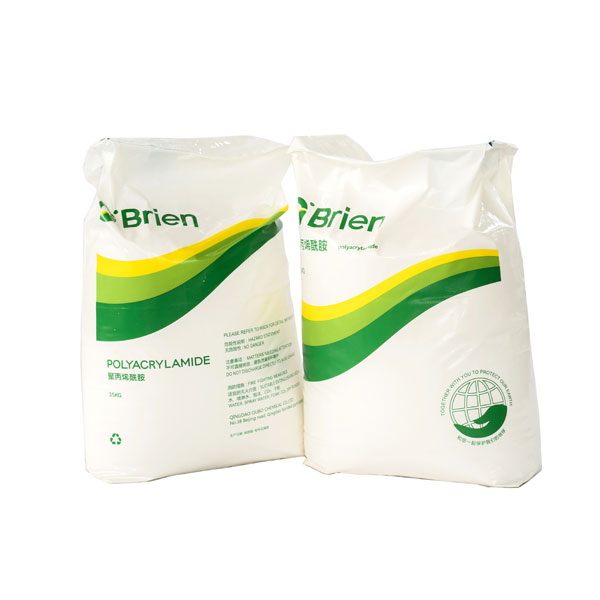
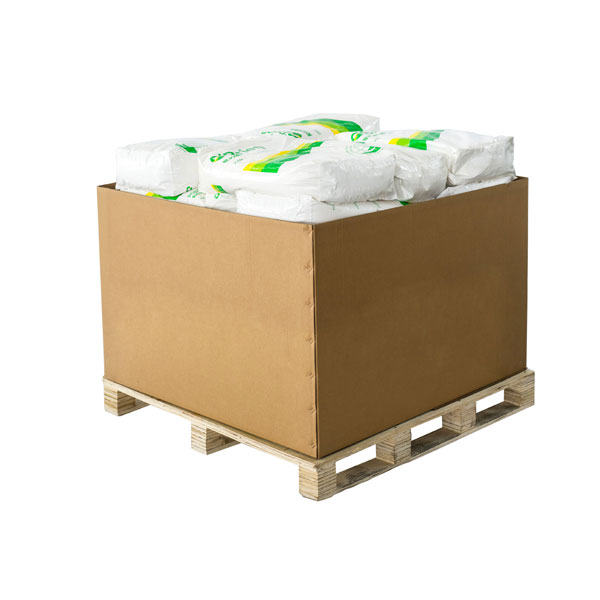
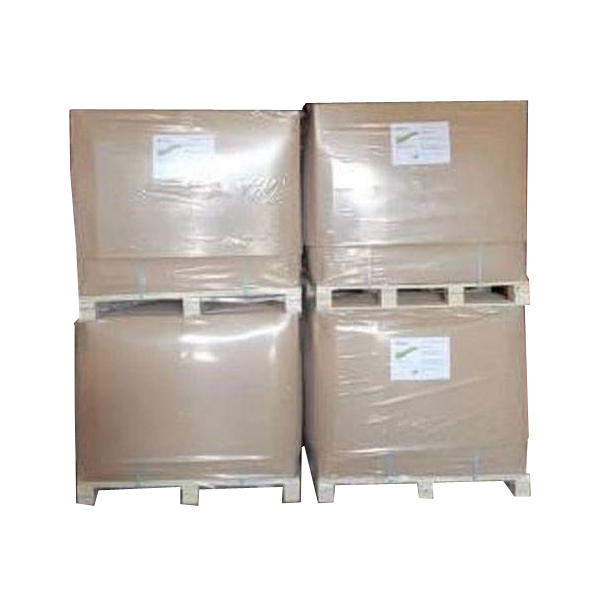
Moisture-Proof Packaging Options & Palletized Shipments Tailored for Japanese Port Terminals (Yokohama, Kobe, Nagoya, Osaka)
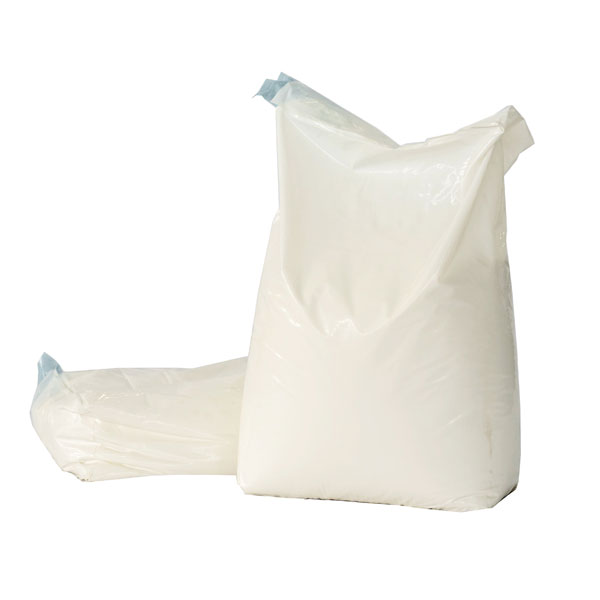
Technical & Procurement Insights for Japanese Industrial Buyers & Technical Managers
Oubo implements a triple-stage QC testing procedure for every production lot. Our proprietary biological polymerization guarantees an ultra-low residual acrylamide monomer (AMD < 0.05%), meeting Japan's Ministry of the Environment guidelines for industrial discharge and wastewater reuse.
Typically, municipal sewage sludge in Japan requires a medium to high cationic charge density (30% to 60%) depending on the ratio of primary to biological sludge. Our technical team offers free Jar Test samples to establish the precise cationic ratio for maximum dewatering cake dryness.
We recommend preparing stock solutions at 0.1% to 0.3% concentration using clean water. Complete dissolution requires 45 to 60 minutes of low-shear agitation (below 200 RPM) to prevent molecular polymer chain shear degradation.
With direct vessel calls from Qingdao Free Trade Port to major Japanese ports (Yokohama, Tokyo, Nagoya, Kobe, Osaka), typical transit lead time is 4 to 7 days, supported by complete SDS documentation in Japanese.
Yes, we supply 25kg PE/craft bags, 750kg jumbo bulk bags, and custom anti-caking inner liners compatible with standard Japanese automatic dry powder dosing units.
Through our 50,000-ton scale economy, vertical monomer integration, and patented biological synthesis, Oubo offers 15%-25% operational cost savings while delivering equivalent or superior flocculation speed and cake dryness.
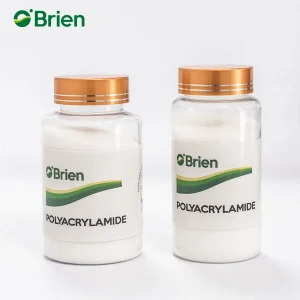
Explore Oubo's Full Range of Cationic, Anionic, and Nonionic Polyacrylamide Polymers
 Oubo Chemical