Advanced Molecular Formulations for High-Dryness Dewatering & Industrial Separation
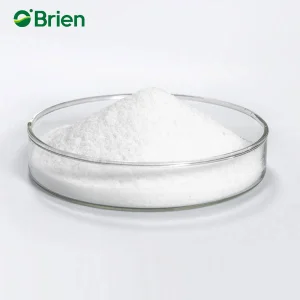
Tailored for municipal sludge centrifugation in Netherlands water boards.
High molecular weight grade for complex organic wastewater decolorization.
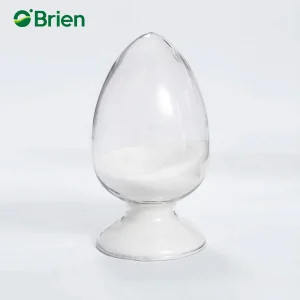
Optimized for decanter centrifuges and belt filter presses in Dutch WWTPs.
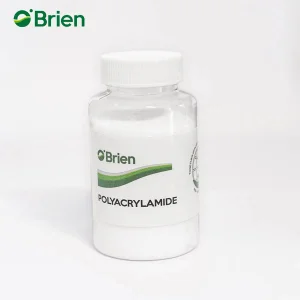
Enhances fine fiber retention and wet-end drainage speed in recycling paper mills.
The Netherlands stands at the global forefront of sustainable water management, circular economy principles, and stringent environmental stewardship. Governed by the European Water Framework Directive (Kaderrichtlijn Water - KRW) and overseen by 21 regional Water Authorities (Waterschappen) alongside Rijkswaterstaat, Dutch industrial facilities and municipal wastewater treatment plants (WWTPs) demand absolute precision in chemical treatment reagents.
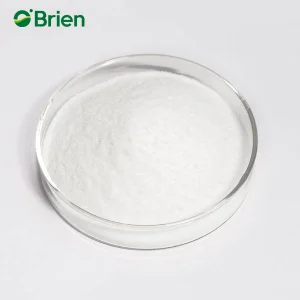
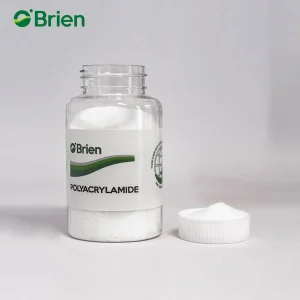
Cationic Polyacrylamide (CPAM; CAS 9003-05-8) plays a pivotal role in solid-liquid separation across Dutch industrial nodes—from the chemical clusters of Port of Rotterdam and Chemelot in Geleen to food processing hubs in Gelderland and Noord-Brabant. As wastewater streams become increasingly complex with higher organic loads and stricter discharge tariffs, selecting the optimal CPAM charge density and molecular mass is critical to achieving high cake dryness and clear filtrate supernatant.
All CPAM products exported by Qingdao Oubo Chemical to the Netherlands comply strictly with EU REACH (EC 1907/2006) regulations. Our synthetic process ensures residual acrylamide monomer (AMD) levels are maintained strictly below 0.02% (200 ppm), safeguarding downstream aquatic ecosystems and adhering to Dutch micro-pollutant limits.
Understanding Charge Neutralization, Polymer Bridging, and Patch Mechanisms in CPAM Application
CPAM carries positively charged quaternary ammonium sites (DAC or ADAME monomers) along its polymer backbone. These neutralize the negative zeta potential of suspended organic solids and biological sludge flocs, destabilizing colloidal suspensions for rapid initial aggregation.
With high molecular weights ranging from 6 to 15 Million Daltons, long-chain CPAM molecules adsorb simultaneously onto multiple micro-flocs. This bridging phenomenon builds ultra-large, shear-resistant macrofllocs capable of withstanding high G-force decanter centrifuges.
At medium-to-high charge densities (30%–60%), CPAM forms distinct positive patches on negatively charged particle surfaces. Neighboring particles with uncharged surface areas are attracted via electrostatic forces, resulting in dense, rapidly settling sludge structures.
| CPAM Grade / Parameter | Cationic Charge Degree (%) | Molecular Weight (Million Daltons) | Bulk Density (g/cm³) | Dissolution Time (Mins) | Primary Dutch Industry Application |
|---|---|---|---|---|---|
| OUBO-CPAM 10-20 (Low Charge) | 10% - 20% | 10 - 15 M | ~0.75 | ≤ 60 | Inorganic Sludge, Paper Retention Aid, Clay Suspensions |
| OUBO-CPAM 30-40 (Medium Charge) | 30% - 40% | 8 - 12 M | ~0.75 | ≤ 50 | Municipal WWTP Dewatering, Dairy (FrieslandCampina WWTP) |
| OUBO-CPAM 50-60 (High Charge) | 50% - 60% | 6 - 10 M | ~0.70 | ≤ 45 | Biological Surplus Sludge, High-Organic Decanter Centrifuges |
| OUBO-CPAM 70-80 (Ultra Charge) | 70% - 80% | 5 - 8 M | ~0.70 | ≤ 40 | Dyeing Wastewater Decolorization, Slaughterhouse Effluent |
Engineering Excellence for Dutch Water Authorities, Food Processing & Industrial Infrastructure
Dutch municipal wastewater treatment plants operating high-speed decanter centrifuges and chamber filter presses require CPAM that delivers rapid water release and high cake dryness (22%–28% dry solids content). Our custom molecular weight distribution reduces polymer dose rates while increasing throughput, lowering transport and incineration costs in Dutch municipal facilities.
The Netherlands is a global powerhouse in dairy (e.g., cheese and whey processing) and potato starch production (e.g., Avebe). Wastewater streams contain heavy fat, oil, grease (FOG), and protein residues. OUBO medium-high cationic CPAM works synergistically with DAF (Dissolved Air Flotation) systems to clarify process water and capture valuable organic solids.
With paper recycling mills situated across Gelderland and Limburg, optimized wet-end performance is essential. Our cationic polyacrylamide functions as a high-efficiency retention and drainage aid, improving fine fiber retention, reducing white water turbidity, and accelerating paper machine speed without compromising sheet formation.
Maintaining Dutch waterways, canal systems, and major maritime infrastructure (e.g., Port of Rotterdam) requires dewatering millions of cubic meters of dredged sediment. OUBO high-molecular-weight cationic flocculants enable rapid solid consolidation in geotextile tubes and mechanical dewatering plants.
Qingdao Oubo Chemical: Advanced Biocatalytic Production & Direct Logistics to Rotterdam
Established in 2011 in the Free Trade Zone of Qingdao, China, Qingdao Oubo Chemical Co., Ltd. has grown into a world-class leader in polyacrylamide synthesis. Utilizing patented biological enzymatic catalysts to synthesize acrylamide monomer, our process eliminates toxic by-products, achieves higher conversion purity, and guarantees consistent polymer chain length.
Our fully automated DCS reaction systems continuously monitor polymerization temperature, viscosity build, and molecular weight distribution. Every production batch undergoes triple-stage quality assurance testing before dispatch, ensuring Dutch industrial buyers receive zero-defect polymer shipments.
Standardized Method for Optimizing CPAM Dosage in Dutch Industrial Plants
Achieving optimal solid-liquid separation requires methodical bench-scale Jar Testing to determine exact polymer charge density, molecular weight, and dilution concentration. Below is OUBO Chemical's recommended Standard Operating Procedure (SOP) for plant engineers:
Dissolve 1.0g of dry CPAM powder into 1000ml of fresh tap water (or plant process water). Maintain moderate agitation (300–400 rpm) for 45–60 minutes. Avoid high-shear impellers to prevent mechanical degradation of polymer chains.
Take 500ml of raw substrate or sludge sample. Inject calculated volumes of 0.1% CPAM solution (e.g., 2ml = 4g polymer per dry ton equivalent). Rapidly mix at 200 rpm for 30 seconds to distribute polymer uniformly.
Reduce agitation speed to 40–50 rpm for 90 seconds. Observe floc formation speed, floc diameter, supernatant clarity, and resistance to shear forces.
Pour flocculated sludge through filter cloth or gravity drainage funnel. Measure filtrate volume vs. time (CST - Capillary Suction Time) and calculate cake dryness under pressing or centrifugal simulation.
Moisture-Proof Enterprise Packaging Certified for International Ocean Freight
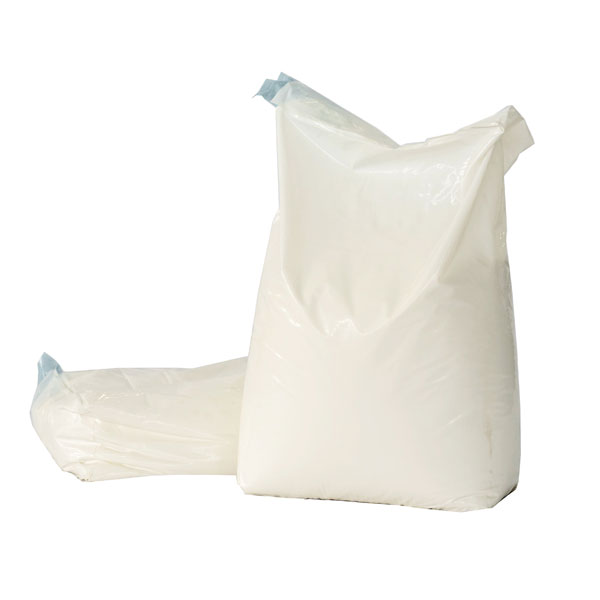
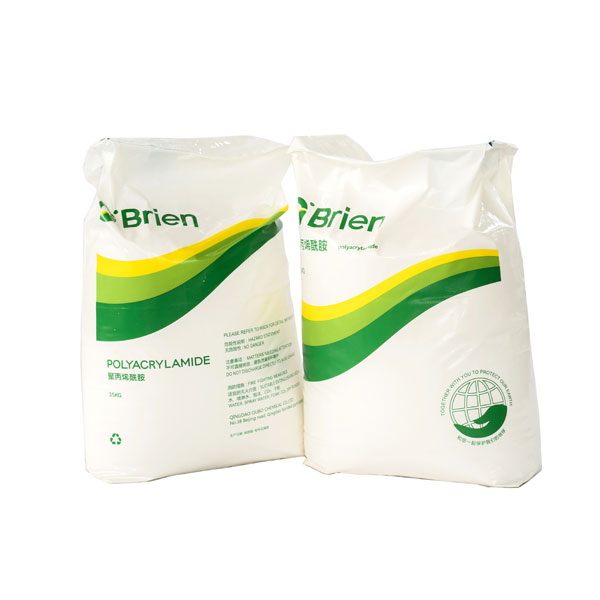
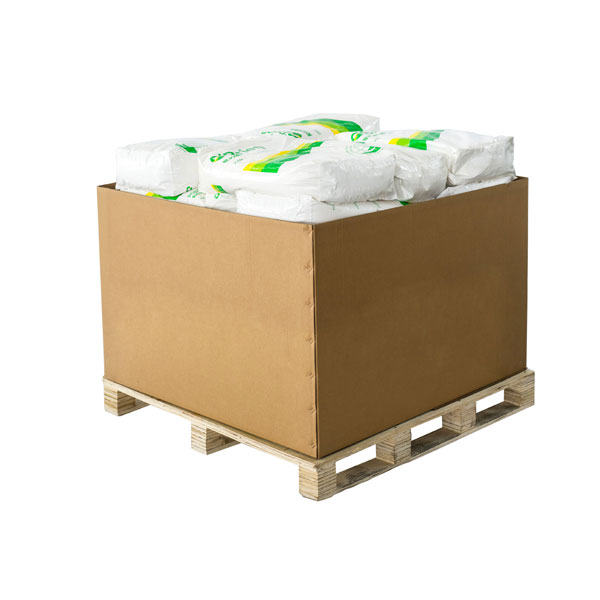
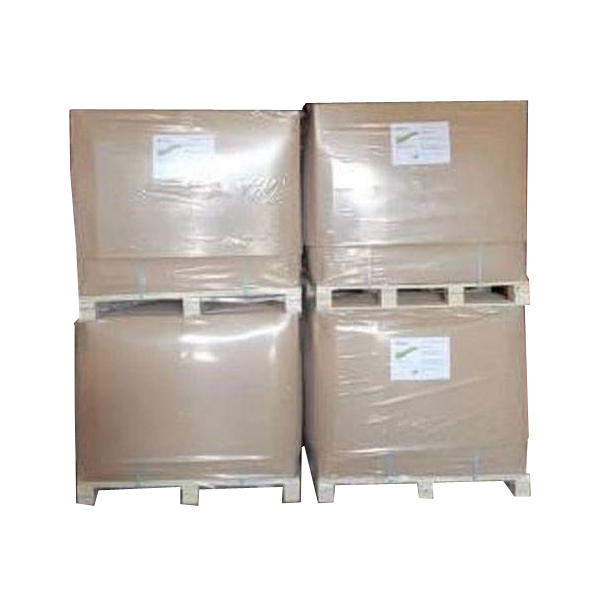
Full Range of Cationic, Anionic, and Nonionic Flocculants for European Industry Procurement
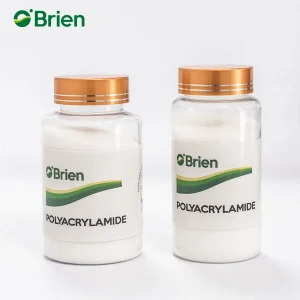
Expert Guidance for Procurement Managers, Process Engineers & Dutch Water Consultants
Contact our Senior Chemical Engineers today to request customized free samples, comprehensive technical data sheets (TDS), or a competitive container-load quotation for the Netherlands market.
Send Inquiry Now Oubo Chemical