Industrial-grade flocculants tailored to tropical process water conditions, high total suspended solids (TSS), and variable pH levels.
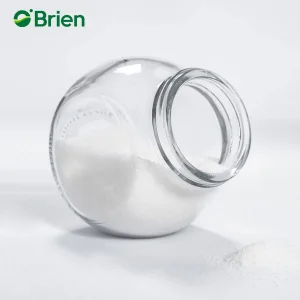
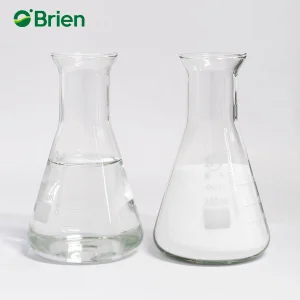
Indonesia stands as Southeast Asia’s largest industrial powerhouse, undergoing unprecedented rapid expansion across its primary commodity processing, mining extraction, palm oil refining, and pulp manufacturing sectors. Central to all these industrial activities is a vital operational challenge: industrial process water management, liquid-solid separation, and compliant wastewater purification. As environmental standards enforced by Indonesia’s Ministry of Environment and Forestry (KLHK) become increasingly stringent, industrial enterprises across Sumatra, Kalimantan, Java, and Sulawesi require highly optimized chemical flocculation technologies.
Anionic Polyacrylamide (APAM)—a synthetic, water-soluble linear polymer with negatively charged functional acrylate groups—has emerged as the definitive benchmark chemical reagent for high-efficiency solid-liquid separation. Engineered through the copolymerization of acrylamide and sodium acrylate, APAM operates primarily via charge neutralization and interparticle polymer bridging. In the tropical industrial ecosystem of Indonesia, APAM must perform reliably under severe operational parameters: variable water temperatures ranging from 28°C to 45°C, high shear forces in continuous thickeners, extreme suspended solid loadings (TSS exceeding 50,000 mg/L), and corrosive acidic or alkaline water matrixes.
Strategic Market Insight: Qingdao Oubo Chemical Co., Ltd. supplies direct-from-factory Anionic Polyacrylamide grades engineered specifically for Indonesian industrial conditions. By utilizing advanced bio-catalytic monomer synthesis, our APAM products deliver superior chain linearity, minimal insoluble content, and rapid dissolution dynamics under humid tropical ambient storage.
From the massive nickel hydrometallurgy hubs in Morowali and Halmahera (HPAL circuits) to the extensive Palm Oil Mill Effluent (POME) treatment plants across Riau and East Kalimantan, selecting the appropriate APAM supplier is directly tied to operational throughput, chemical consumption efficiency, and regulatory compliance. This technical whitepaper explores the biochemical engineering, regional application parameters, supply chain logistics, and quality control systems governing Oubo Chemical’s APAM supply network into the Republic of Indonesia.
The performance of Anionic Polyacrylamide in industrial flocculation is dictated by two fundamental structural parameters: Molecular Weight (MW) and Degree of Hydrolysis (Anionicity / Charge Density). Molecular weight determines the physical length of the extended polymer chain in aqueous solution, governing its ability to form physical bridges across multiple suspended mineral particles or organic flocs. Degree of Hydrolysis represents the mole percentage of carboxylate groups (-COO⁻) along the polyacrylamide backbone, governing chain conformation, electrostatic repulsion, and solubility rates.
When dry APAM granules are dissolved in water, the negatively charged carboxylate functional groups cause the polymer backbone to uncoil into an elongated, high-viscosity hydrodynamic conformation due to intramolecular electrostatic repulsion. When introduced into a waste stream containing positively charged or surface-active particulate matter (such as ferric hydroxide, silica, clay particles, or unrefined mineral pulp), the APAM polymer chain adsorbs onto the surface of multiple particles simultaneously. This bridging action builds heavy, compact flocs with rapid settling velocities (frequently exceeding 10 to 15 meters per hour in high-rate thickeners).
| Product Series Grade | Molecular Weight (Million MW) | Degree of Hydrolysis (%) | Solid Content (%) | Dissolution Time (Mins) | Primary Indonesian Industrial Application |
|---|---|---|---|---|---|
| OUBO-APAM Ultra High MW | 22.0 - 25.0 | 20 - 30 | ≥ 90% | ≤ 50 | Coal Washing Tailing Thickeners (Kalimantan), Sand Washing |
| OUBO-APAM Mining Extra Grade | 18.0 - 22.0 | 30 - 45 | ≥ 90% | ≤ 45 | Nickel Laterite HPAL & Red Mud Settling (Morowali, Halmahera) |
| OUBO-APAM POME Special | 15.0 - 18.0 | 15 - 25 | ≥ 89% | ≤ 40 | Palm Oil Mill Effluent (POME) Secondary Clarification |
| OUBO-APAM Paper Retention Aid | 12.0 - 16.0 | 10 - 20 | ≥ 90% | ≤ 45 | Pulp & Paper Wet-End Retention & White Water De-inking |
| OUBO-APAM Municipal Low-Tox | 16.0 - 20.0 | 25 - 35 | ≥ 90% | ≤ 45 | Potable Water Treatment & Sewage Dewatering Support |
Oubo Chemical utilizes advanced bio-catalytic synthesis (microbial enzymatic conversion of acrylonitrile to acrylamide) rather than conventional chemical catalysis. This guarantees zero copper residual contaminants, yields ultra-high molecular weight polymers, and preserves an exceptionally low monomer residual level (< 0.05% or < 500 ppm), making our products fully suitable for stringent environmental applications throughout Indonesia.
Engineered flocculation strategies tailored to Indonesia's primary industrial sectors and geographical industrial hubs.
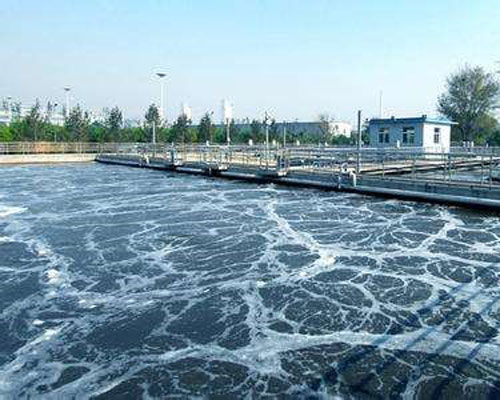
Indonesia is the world's top crude palm oil (CPO) producer, generating over 45 million metric tons annually. For every ton of CPO produced, approximately 2.5 m³ of Palm Oil Mill Effluent (POME) is discharged. POME contains extreme organic loading, acidic pH (4.0–4.5), and high suspended oil-solid complex emulsions. Oubo’s medium-charge Anionic Polyacrylamide formulation breaks suspended colloidal organic solids following primary anaerobic digestion or dissolved air flotation (DAF). It accelerates sludge compaction, reduces chemical oxygen demand (COD), and produces ultra-clear effluent for land application or recycling, lowering overall operational expenditure for palm oil mills in Sumatra and Kalimantan.
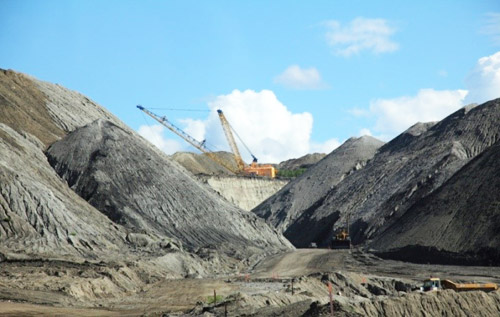
With Indonesia controlling the world's largest nickel reserves, high-pressure acid leach (HPAL) processing centers in Morowali, Weda Bay, and Halmahera demand extreme chemical stability. Heavy nickel laterite slurry requires APAM with superior shear resistance and broad hydrolysis tolerances to clarify acidic leach tailing streams and red mud slurries. Furthermore, in the vast coal fields of East and South Kalimantan, Oubo’s ultra-high molecular weight APAM (up to 25 million MW) achieves rapid sediment settling in coal washing thickeners, enabling closed-loop water recirculation and preventing fine coal loss in tailing ponds.
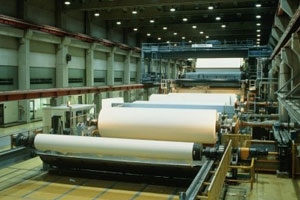
Indonesia hosts some of the world's largest integrated pulp and paper manufacturing complexes (such as those in Riau and West Java). Oubo Chemical supplies specialized low-charge Anionic Polyacrylamide used as retention and drainage aids in paper machine wet-ends. APAM forms micro-flocs between pulp fibers and mineral fillers (calcium carbonate, titanium dioxide), significantly increasing filler retention, enhancing paper dry strength, reducing web-break frequency, and clarifying white water circuits to lower fresh water withdrawal requirements.
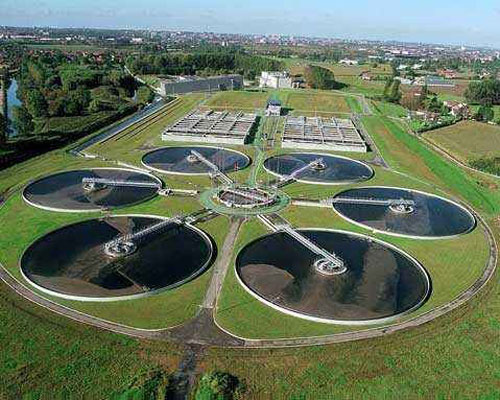
As Indonesia advances major urban water infrastructure modernizations in Greater Jakarta and the construction of the new smart capital city IKN Nusantara in East Kalimantan, municipal water treatment systems rely heavily on APAM. Oubo’s NSF and ISO-certified municipal-grade anionic polymers act as co-coagulants in river water clarification plants (PDAM) and primary sludge thickening units, maintaining consistent effluent turbidity < 1.0 NTU even during monsoon turbidity spikes.
Qingdao Oubo Chemical utilizes third-generation biological enzymatic conversion methods to produce acrylamide monomer. This green chemistry approach eliminates iron and copper impurities, achieving high polymerization purity, ultra-high molecular weight consistency, and complete water solubility with zero fish-eye gel residuals.
Operating under ISO9001:2008 and ISO14001 guidelines, every single batch of APAM undergoes 3 rounds of rigorous laboratory testing prior to dispatch: monomer purity testing, bulk density & dissolution rate measurement, and real-sample flocculation performance evaluation in actual customer wastewater samples.
Located in the Free Trade Zone of Qingdao, China, Oubo leverages direct maritime transport lanes to Indonesia’s primary ports (Tanjung Priok, Tanjung Perak, Belawan, and Balikpapan). We provide full ACFTA Form E documentation, granting Indonesian importers zero or preferential import duty tariffs.
Oubo Chemical is actively pioneering smart polymer preparation units and low-monomer eco-friendly APAM formulations. Our R&D center invests heavily in developing ultra-high stability polymer molecules capable of maintaining flocculation performance in hypersaline seawater environments for coastal Indonesian mining operations.
Explore our full range of Anionic, Nonionic, and Cationic Polyacrylamide powders formulated for municipal, industrial, paper, and mining applications.
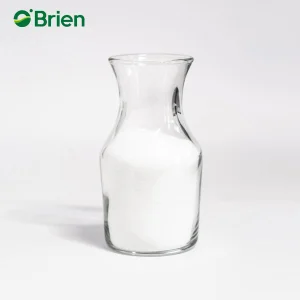
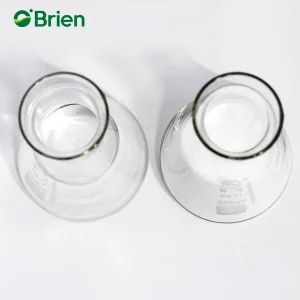
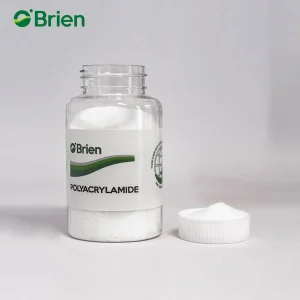
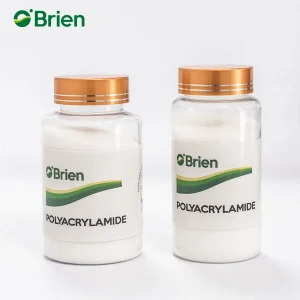
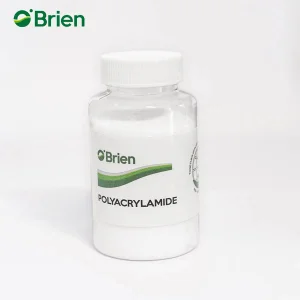
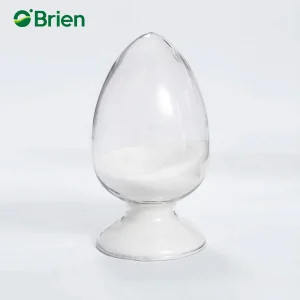
Designed for long-distance ocean shipping and high-humidity tropical storage across Indonesian regional distribution centers.
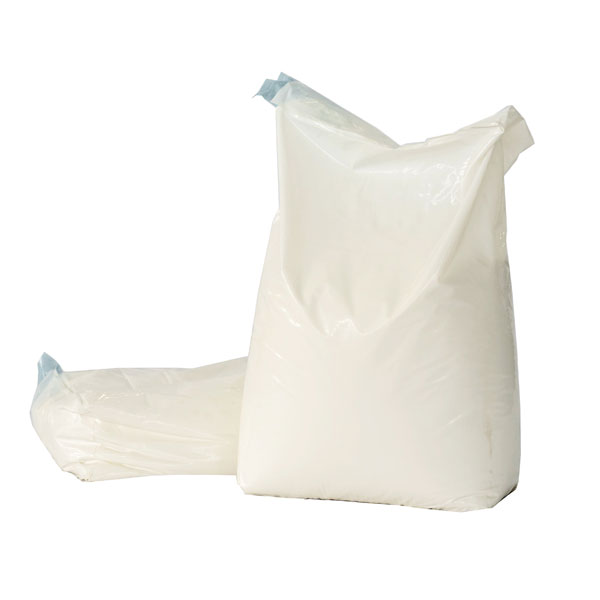
25kg Kraft paper bag with internal PE liner for custom branding.
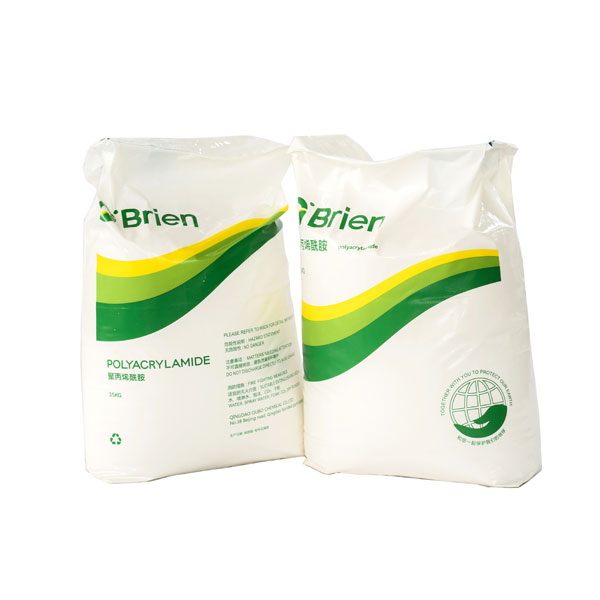
Standard 25kg multi-wall moisture-proof composite bag.
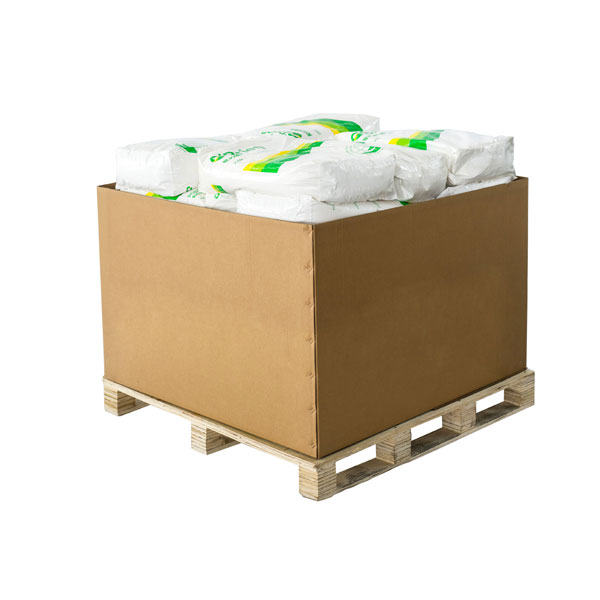
High-capacity bulk bags with bottom discharge spout for continuous automatic plant dosing.
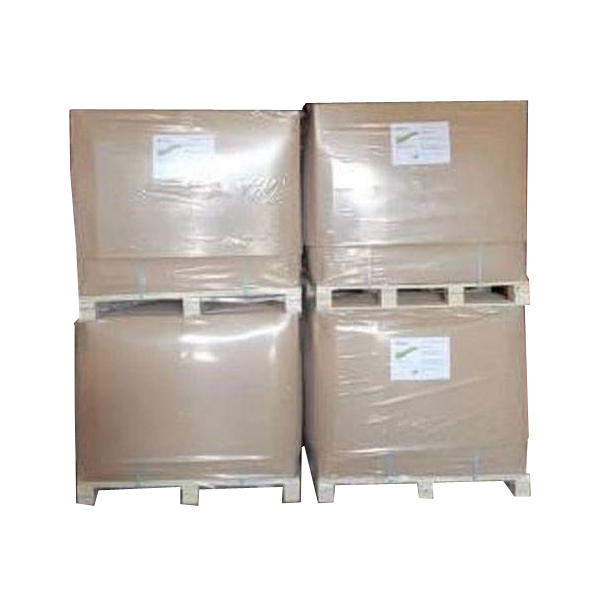
Fumigated/heat-treated wooden or plastic pallets wrapped with heavy shrink film.
Expert guidance tailored for Indonesian procurement managers, process engineers, and plant operators.
Dry Anionic Polyacrylamide powder is hygroscopic and will absorb atmospheric moisture if left exposed, leading to caking and reduced dissolution rate. Oubo’s packaging incorporates a double-layer heavy-duty polyethylene (PE) inner liner inside 3-ply Kraft/woven bags. When stored in a cool, ventilated warehouse below 35°C with sealed bags, the shelf life reliably exceeds 24 months.
We recommend preparing stock solutions at a concentration of 0.1% to 0.3% (w/v) using clear water. In tropical climates like Indonesia where raw water ambient temperatures are between 25°C and 35°C, dissolution is rapid (typically 35 to 50 minutes under moderate mechanical agitation at 200–400 RPM). Avoid high-shear impellers or water temperatures exceeding 50°C, which break the long molecular polymer chains.
Yes. Qingdao Oubo Chemical Co., Ltd. is registered with China Customs and fully eligible to issue ASEAN-China Free Trade Area (ACFTA) Certificates of Origin (Form E). Indonesian buyers importing APAM under HS Code 3906.90 can present Form E to Customs for preferential zero-duty or reduced import tariff clearance.
For secondary POME clarification following anaerobic digestion tanks or DAF systems, we recommend our medium molecular weight (15–18 Million MW) Anionic Polyacrylamide with a medium hydrolysis degree (20–25%). It forms fast-settling flocs without blinding downstream sludge press filter cloths.
During monsoon heavy rainfalls, river turbidity can spike from < 100 NTU to > 5,000 NTU. We advise utilizing a dual-coagulation system: pre-treat raw water with inorganic coagulants (PAC or Alum) to neutralize colloidal charges, followed by 0.5 to 2.0 ppm dosing of high molecular weight APAM (18-22 Million MW) to rapidly settle heavy silt flocs.
With an annual production capacity over 50,000 metric tons and proximity to Qingdao Port, standard order dispatches are executed within 7 to 10 days from order confirmation. Direct ocean transit to Jakarta (Tanjung Priok) or Surabaya (Tanjung Perak) takes approximately 12 to 16 days, providing reliable supply security.
Request custom laboratory sample testing, technical data sheets (TDS), safety data sheets (MSDS), and competitive direct factory pricing today.
Send Inquiry Now Oubo Chemical