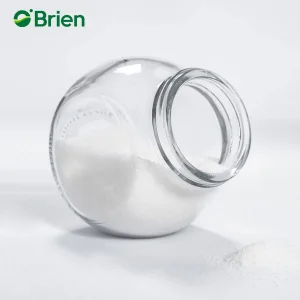
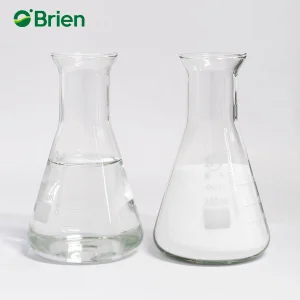
Anionic Polyacrylamide (APAM) represents a cornerstone chemical matrix within modern industrial liquid-solid separation, enhanced resource recovery, and municipal water stewardship. Globally, the demand for water-soluble synthetic polymers is experiencing an unprecedented expansion driven by stringent environmental standards, complex raw water profiles, and the intensification of mineral extraction. As global industries pivot toward sustainable closed-loop water reuse, APAM’s unique chemical architecture—characterized by high molecular weight and controllable negative charge density—makes it indispensable across diverse industrial eco-systems.
In Colombia, the macro-industrial dynamic presents a compelling demand profile for advanced chemical solutions. As South America's fourth-largest economy, Colombia is undergoing rapid modernization across its industrial, energy, and municipal infrastructure sectors. From the heavy oil reservoirs of the Llanos Basin (Meta Department) to the gold-rich alluvial and hard-rock formations in Antioquia and Chocó, and the intensive sugarcane agricultural belts of the Cauca River Valley, industrial operators face stringent regulations enforced by Colombia's Ministry of Environment and Sustainable Development (Ministerio de Ambiente y Desarrollo Sostenible) and the National Environmental Licensing Authority (ANLA).
Industrial operations in Colombian hubs such as Medellín, Bogotá, Cali, and Barranquilla must comply with Resolution 0631 of 2015, which dictates aggressive Total Suspended Solids (TSS) and Chemical Oxygen Demand (COD) limits. Meeting these standards requires high-efficiency flocculation agents capable of operating under highly variable water hardness, tropical ambient temperatures, and complex mineral compositions.
Understanding how charge density, hydrolysis degree, and polymer chain lengths interact to deliver superior solid-liquid separation.
Anionic Polyacrylamide functions primarily through polymer bridging. When added to suspensions, long polyacrylamide chains extend into the aqueous phase and adsorb onto multiple colloidal particles simultaneously. This creates large, rapidly settling flocs (micro-flocs to macro-flocs), accelerating sedimentation rates by up to 300% compared to traditional inorganic coagulants.
Formulated via the copolymerization of acrylamide with acrylic acid or sodium acrylate, APAM molecules exhibit a negatively charged carboxylate group (–COO⁻). Charge densities range from low (5–15%), medium (20–35%), to high (40–60%), enabling precise neutralization and bridging depending on the zeta potential of suspended solids in Colombian mineral ores or wastewater.
Oubo Chemical produces APAM polymers with molecular weights ranging from 6 Million up to 25 Million Daltons. Higher molecular weights provide longer hydrodynamic radii and enhanced chain entanglements, critical for shearing resistance in centrifugal sludge dewatering and high-shear mining thickeners.
| Grade Classification | Molecular Weight (Million Da) | Anionic Hydrolysis Degree (%) | Solid Content (%) | Dissolving Time (Mins) | Primary Colombian Industry Application |
|---|---|---|---|---|---|
| APAM Ultra-High MW (AP-2500) | 22 - 25 Million | 20% - 30% | ≥ 88% | ≤ 60 | Enhanced Oil Recovery (EOR - Llanos Basin), Coal Tailings |
| APAM High MW (AP-1800) | 16 - 20 Million | 25% - 35% | ≥ 88% | ≤ 50 | Gold & Copper Mining Thickeners (Antioquia), Red Mud Clarification |
| APAM Medium MW (AP-1200) | 10 - 14 Million | 15% - 25% | ≥ 88% | ≤ 45 | Municipal Sewage Clarification (Bogotá/Medellín), Sugarcane Juice |
| APAM Low MW (AP-0800) | 6 - 8 Million | 10% - 20% | ≥ 88% | ≤ 40 | Paper Retention & Drainage Aid, Textile Dyeing Effluent |
Customized polymer formulations engineered to solve specific operational challenges across key Colombian economic sectors.
In major mining hubs such as El Cerrejón (La Guajira) and gold mining operations in Segovia, Remedios, and Buriticá (Antioquia), solid-liquid separation is critical for water recycling and environmental tailings management.
Colombia’s heavy oil reservoirs in the Llanos Basin (Meta, Casanare) require high viscosity polymer solutions to improve sweep efficiency during secondary and tertiary recovery.
Colombia's agricultural powerhouse—including sugar mills in the Valle del Cauca and coffee processing units (Beneficios Húmedos) across the Eje Cafetero—generates organic-rich wastewater.
Major urban utilities such as EAAB (Bogotá), EPM (Medellín), and EMCALI (Cali) operate large scale Wastewater Treatment Plants (WWTPs / PTARs) requiring robust sludge dewatering polymers.
Oubo Chemical Co., Ltd was established in 2011, located in the Free Trade Zone of Qingdao, China. The quality control system of O'brien is strict and comprehensive. Over the past decade, our business growth rate has sustained 10% annually. Qingdao Oubo Chemical Co., Ltd is highly committed to quality, service, and environmental protection during polymer production and application.
Oubo specializes in manufacturing and supplying Cationic Polyacrylamide, Anionic Polyacrylamide, and Nonionic Polyacrylamide. Equipped with state-of-the-art bio-catalytic polymerization equipment and a senior R&D engineering team, we ensure all products and services comply with international standards. In 2018, our annual polyacrylamide production capacity surpassed 50,000 Metric Tons. Our quality management system is fully certified under ISO 9001:2008, ISO 14001, and OHSAS 18001.
To achieve maximum flocculation efficiency and cost optimization, proper dilution and aging of dry Anionic Polyacrylamide powder is mandatory.
Prepare a stock solution of 0.1% to 0.3% concentration (1kg to 3kg powder per 1000L of clean water).
Add polymer powder steadily using a dry powder feeder while agitating at 200–400 RPM to prevent agglomeration ("fish eyes").
Maintain gentle mixing for 45 to 60 minutes until polymer molecules are fully uncoiled and hydrated.
Inject solution at points of high turbulence for quick dispersion, followed by low shear zones to preserve floc integrity.
Heavy-duty, moisture-proof packaging engineered for ocean transport to South America.
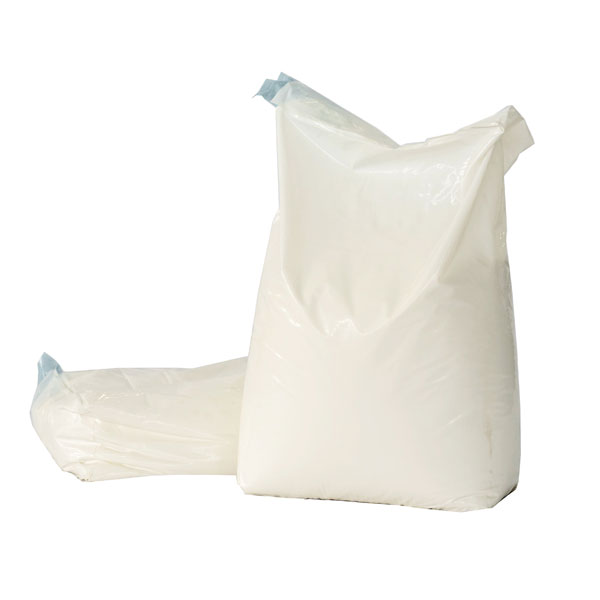
3-in-1 composite paper bags with inner PE moisture-proof liner. Ideal for private labeling and distributor re-branding.
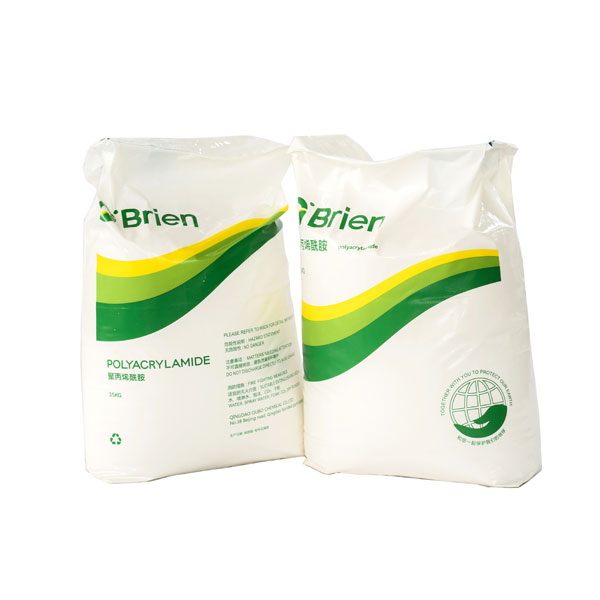
Multilingual (English/Spanish) standard chemical hazard markings and lot numbers for transparent traceability.
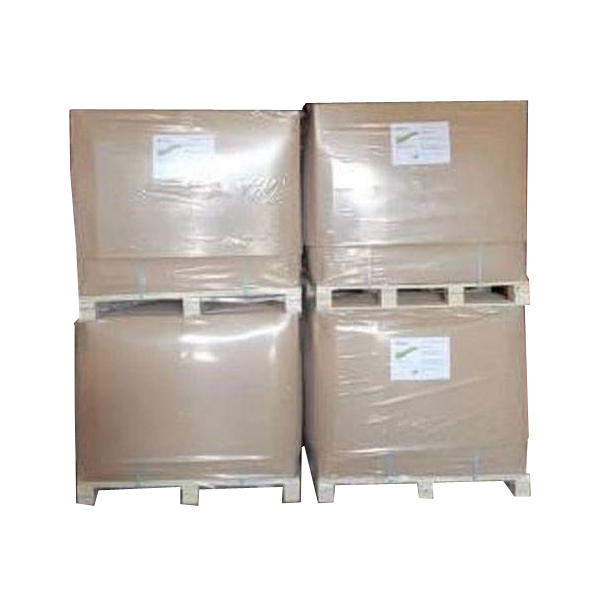
1000kg / 1200kg per fumigated pallet with protective stretch film wrap to prevent ambient humidity absorption during ocean transit.
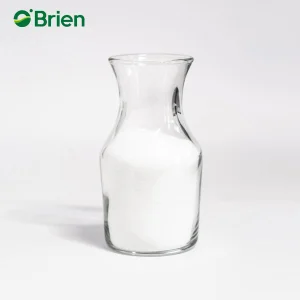
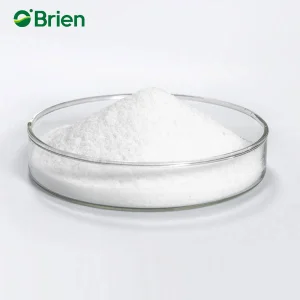
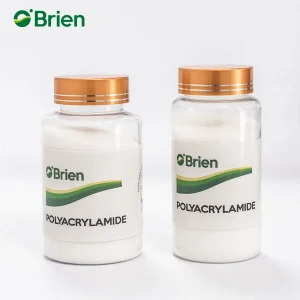
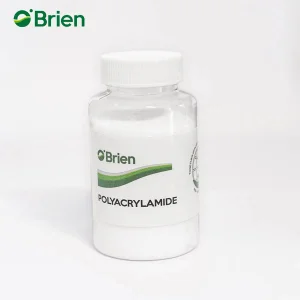
Get direct factory pricing, tailored formulation analysis, free sample kits, and comprehensive logistical support for your Colombian operations.
Send Inquiry Now Oubo Chemical