Engineered specifically to withstand high-salinity groundwater, extreme ambient temperatures, and strict environmental standards across Saudi industrial hubs.
Understanding how Saudi Vision 2030 and massive regional infrastructure drive requirement for specialized water treatment polymers.
The Greater Riyadh region serves as the economic powerhouse of Saudi Arabia. With the acceleration of the National Industrial Development and Logistics Program (NIDLP), the demand for specialized water-soluble polymers—specifically Anionic Polyacrylamide (APAM)—has experienced unprecedented growth. As industrial hubs across MODON First, Second, and Third Industrial Cities expand, raw water conditioning, process water recycling, and zero liquid discharge (ZLD) systems have become operational imperatives.
In arid environments like the Arabian Peninsula, water is a critical strategic resource. The Saudi National Water Company (NWC) and the Water Transmission and Technologies Company (WTTCO) enforce stringent standards on industrial effluents. Consequently, industrial plants in Riyadh require high-molecular-weight APAM flocculants capable of accelerating solid-liquid separation under severe ambient temperatures exceeding 45°C.
An authoritative analysis of raw material availability, bio-acrylamide technology, and global export logistics to Saudi Arabia.
Global polyacrylamide production is heavily influenced by feedstock upstream pricing (Propylene and Acrylonitrile). Leading global producers are transitioning towards biological enzymatic polymerization routes. This technology reduces energy consumption and produces ultra-pure bio-acrylamide monomers without residual copper catalysts, enhancing polymer linearity and hydrolysis control.
Shipping chemicals to central Saudi Arabia requires robust logistical integration. Products manufactured in Qingdao Free Trade Zone are shipped via direct maritime routes to Dammam (King Abdul Aziz Port) or Jeddah Islamic Port, then transferred via inland rail or dry freight to bonded warehouses in Riyadh. UV-resistant, moisture-barrier packaging is mandatory to prevent thermal degradation during transit.
Saudi industrial buyers increasingly demand compliance with SASO (Saudi Standards, Metrology and Quality Organization) regulations and ISO quality frameworks. Batch consistency in molecular weight distribution (MWD) and charge density ensures predictable dissolution behavior in automatic chemical preparation systems without forming problematic "fish-eyes".
Deep technical specification guide for process engineers, water consultants, and chemical procurement officers in Saudi Arabia.
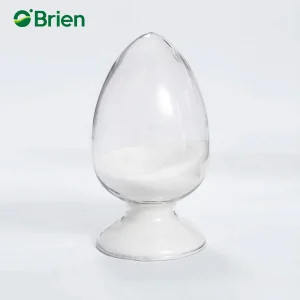
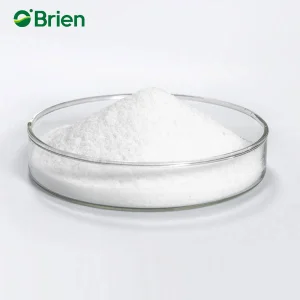
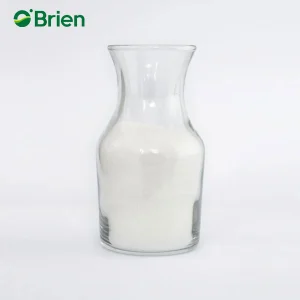
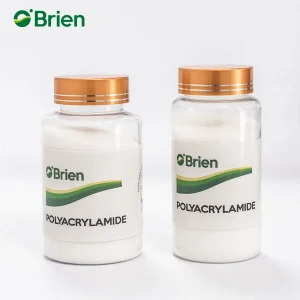
Anionic Polyacrylamide (APAM) is a water-soluble linear polymer synthesized by copolymerizing acrylamide with acrylic acid or sodium acrylate monomers. The resulting molecular chain contains negatively charged carboxylate groups ($-\text{COO}^-$) alongside non-ionic amide functional groups ($-\text{CONH}_2$).
In aqueous solutions, APAM operates via two primary mechanisms:
| Technical Parameter | Industrial Specification Range |
|---|---|
| Chemical Class | Copolymer of Acrylamide & Sodium Acrylate |
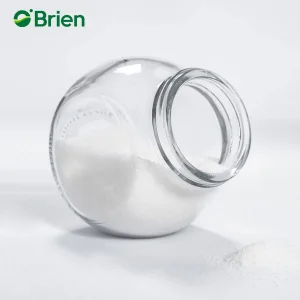
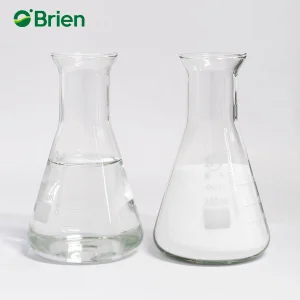
| Appearance | White Granular Powder / Micro-beads |
| Molecular Weight (MW) | 5 Million to 28 Million Daltons |
| Anionic Charge Degree | 10% – 80% Hydrolysis Ratio |
| Solid Content | ≥ 88% - 90% Minimum |
| Dissolution Time | ≤ 45 – 60 Minutes (at 25°C) |
| Residual Monomer | ≤ 0.05% (500 ppm max) |
| Insoluble Content | ≤ 0.2% |
Real-world operational engineering solutions engineered for specific local conditions in Riyadh and surrounding provinces.
In large-scale treatment facilities like the Al-Hayer Wastewater Plant in South Riyadh, high-molecular-weight APAM is vital for primary clarification and secondary sludge thickeners. Due to high mineral contents in regional groundwater, APAM achieves faster settling velocity, reducing chemical consumption per cubic meter treated. It delivers crystal-clear overflow for landscape irrigation and industrial reuse.
Serving drilling operations and recovery fields in Saudi Arabia's Central and Eastern basins, partially hydrolyzed polyacrylamide (HPAM) functions as a fluid loss reducer, shale inhibitor, and mobility control viscosifier. Our heat-resistant grades withstand high shear stresses and elevated reservoir temperatures without polymer chain cleavage.
Mining complexes operating in the Central Region (extracting minerals such as gold, copper, and industrial silica sand) rely on APAM to clarify process water in thickener tanks. Rapid solid-liquid separation allows mining operators to recover up to 95% of process water immediately, reducing freshwater abstraction costs.
Containerboard and packaging paper plants in Riyadh use APAM as a retention agent, drainage aid, and dry-strength enhancer. By retaining fine fibers and mineral fillers, APAM improves paper tensile strength, speeds up machine dewatering, and reduces environmental load in white-water discharge.
Over a decade of manufacturing excellence, global logistics mastery, and uncompromised technical support.
Qingdao OUBO Chemical Co., Ltd utilizes patented biological methods for polyacrylamide synthesis, backed by continuous R&D investment for technical accumulation.
Global raw material sourcing from SINOPEC, Eni, and leading suppliers. Automated production lines certified under ISO9001, with 3x lab testing per batch.
Specialized manufacturing focus ensures superior chemical stability, competitive factory-direct pricing, and optimized dissolution characteristics.
Engineers assist throughout pre-sales jar testing, product selection, site trial runs, and post-sales optimization for Saudi industrial clients.
Oubo Chemical Co., Ltd was established in 2011, located in the Free Trade Zone of Qingdao, China. The Quality Control system of O'brien is strict and comprehensive. Over the past 10 years, our business growth rate has sustained 10% annually. Qingdao Oubo Chemical Co., Ltd is highly committed to quality, service, and environmental stewardship during polymer production and application.
Oubo specializes in supplying Cationic Polyacrylamide, Anionic Polyacrylamide, and Nonionic Polyacrylamide. Our advanced automated facilities and experienced engineering staff ensure all products comply with rigorous standards. Annual polyacrylamide capacity exceeded 50,000 Tons in 2018, backed by ISO9001:2008 quality management certification.
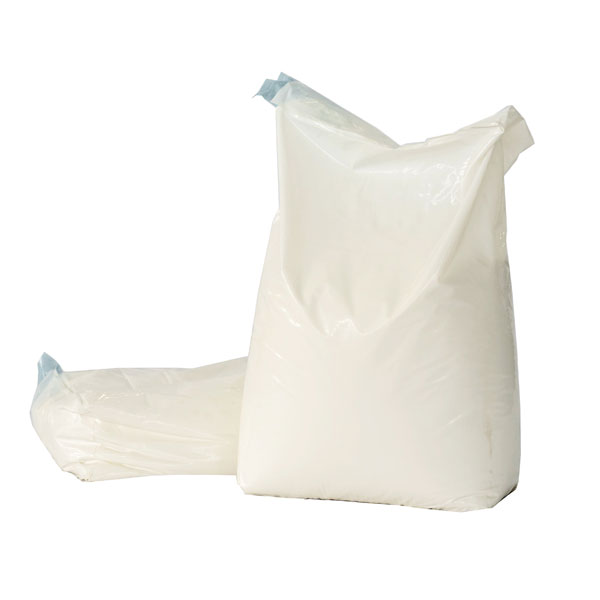
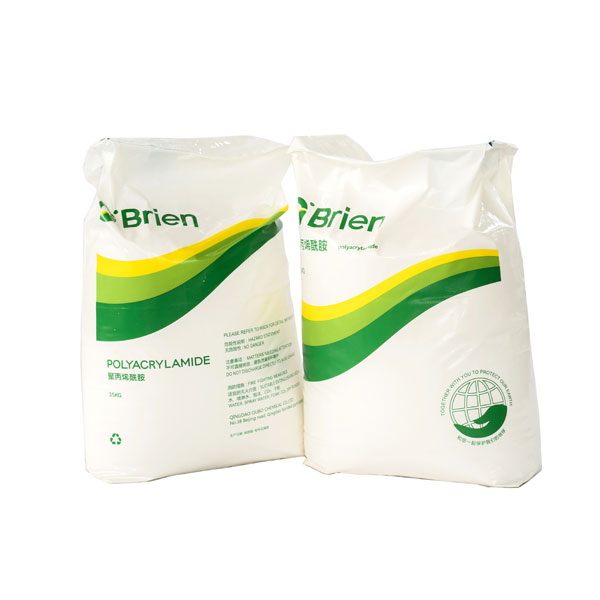
Moisture-proof, thermal-insulated, UV-protected packaging designed for long-distance transport and long-term desert storage.
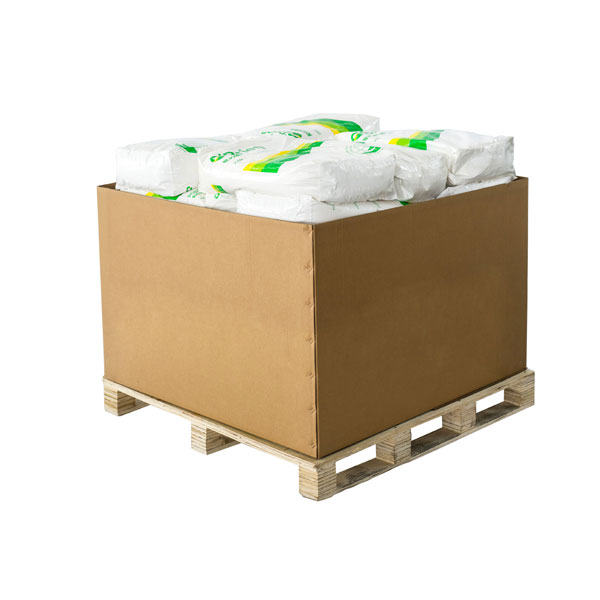
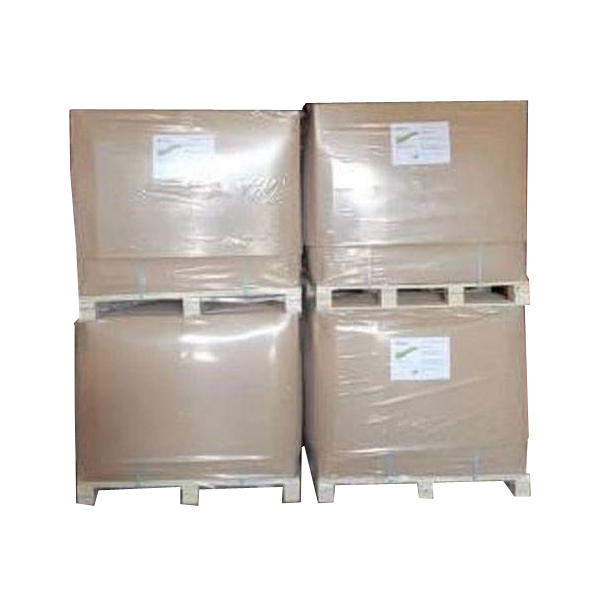
Innovating high-durability polymer chemistry to align with Saudi Arabia's sustainability and zero-carbon targets.
Development of bio-derived monomer building blocks aimed at accelerating natural soil degradation after sludge disposal. This technology minimizes environmental persistence while retaining high flocculation efficiency in dry sand regions.
Advanced modification using hydrophobic monomers (AMPS/acrylamide copolymers) to maintain viscosity in water containing >100,000 ppm salinity and temperatures above 90°C—tailored for extreme oilfield EOR environments.
Integration of inline optical turbidity sensors with dynamic polymer dosing equipment. Real-time feedback control loops optimize chemical consumption, lowering overall operational expenditure for municipal WTPs.
Explore our full line of Cationic, Anionic, and Nonionic Polyacrylamide formulations for diverse industrial applications.
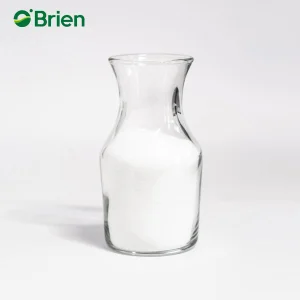
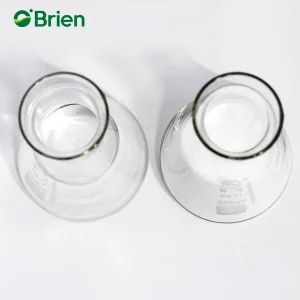
Expert technical insights regarding Polyacrylamide selection, dissolving procedures, and shipping to Saudi Arabia.
Whether you require bulk supply for municipal wastewater plants, mining operations, or oilfield drilling projects in Riyadh and across Saudi Arabia, Oubo Chemical delivers certified quality and competitive pricing.
Send Inquiry Now Oubo Chemical