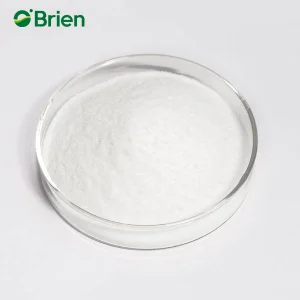
South Africa represents sub-Saharan Africa’s primary industrial power, where sectors such as mining, mineral extraction, power generation, municipal wastewater treatment, and commercial agriculture require extensive chemical water management solutions. Due to severe hydrological stress, stringent environmental regulations enforced by the Department of Water and Sanitation (DWS), and the economic imperative to maximize water reuse, high-performance Anionic Polyacrylamide (APAM) has become an indispensable chemical reagent across the country.
From the deep-level gold reserves in the Witwatersrand Basin to the expansive Platinum Group Metal (PGM) operations across the Bushveld Igneous Complex and the coalfields of Mpumalanga, modern mineral processing plants rely on APAM flocculants for ultra-fast solid-liquid separation, thickener overflow clarification, and tailings dewatering. Furthermore, municipal water authorities—including Rand Water, Umgeni Water, and the City of Cape Town—leverage advanced synthetic water-soluble polymers to comply with potable standards and treat industrial effluents under strict Zero Liquid Discharge (ZLD) frameworks.
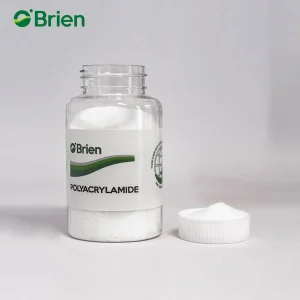
Polyacrylamide (PAM) is a linear synthetic polymer derived from acrylamide monomers. Anionic Polyacrylamide (APAM) is produced via the co-polymerization of acrylamide with acrylic acid or sodium acrylate, imparting a negative electrical charge along the polymer chain. This negative charge is crucial for bridging positively charged suspended particles, mineral slurries, and organic precipitates in aqueous solutions.
Oubo Chemical produces APAM with precise molecular weight distribution ranging from 6 Million to 25 Million Daltons. High molecular weight polymers extend long molecular chains into the liquid, forming large, dense micro-flocs through inter-particle bridging.
Available in hydrolysis levels from 10% to 60% (Low, Medium, High anionicity). Charge optimization ensures maximum electrostatic interaction based on the Zeta Potential of suspended solids in mine tailings or municipal sewage.
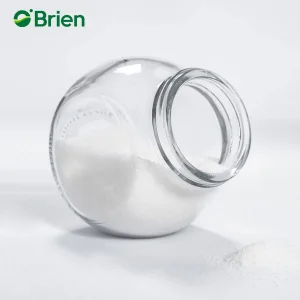
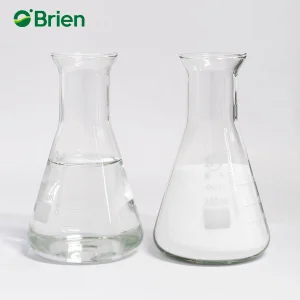
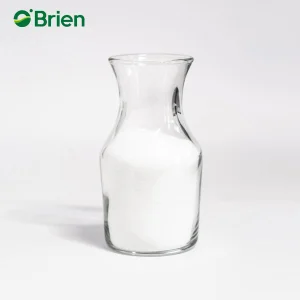
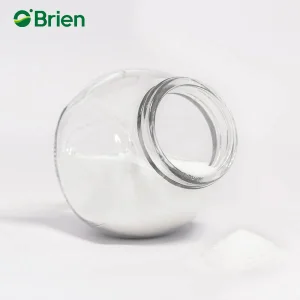
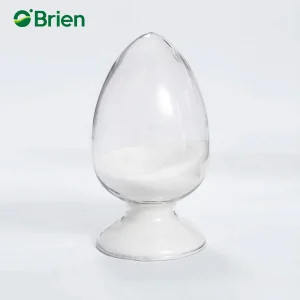
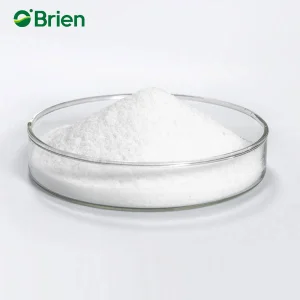
Our granular APAM features high water solubility and low insoluble content (<0.2%). Designed for rapid dissolution in standard automated polymer preparation units, minimizing aging tank residency times and preventing fish-eye gel formation.
| Grade / Product Code | Ionic Type | Molecular Weight (Million) | Anionic Degree (%) | Solid Content (%) | Primary South Africa Industry Application |
|---|---|---|---|---|---|
| OUBO-APAM Standard | Anionic | 12 - 15 Mio | 20% - 30% | ≥ 88% | Municipal Sewage & General Industrial Effluents |
| OUBO-APAM Ultra-High MW | Anionic | 18 - 25 Mio | 30% - 40% | ≥ 88% | Platinum & Gold Tailings Thickening (Bushveld/Witwatersrand) |
| OUBO-APAM Low Hydrolysis | Anionic | 8 - 12 Mio | 10% - 15% | ≥ 88% | Acidic Mineral Processing & Coal Tailings Dewatering |
| OUBO-APAM Food/Sugar Grade | Anionic | 15 - 20 Mio | 25% - 35% | ≥ 90% | Sugar Cane Juice Clarification (KwaZulu-Natal Mills) |
| OUBO-APAM Paper Grade | Anionic | 10 - 14 Mio | 15% - 25% | ≥ 88% | Paper Retention Aid & Dry Strength Agent |
Our engineering team has tailored APAM dosing protocols to suit the diverse operating conditions of South African industries. Below are the primary macro-economic and industrial sector applications:
South Africa’s mining industry extracts gold, platinum group metals (PGM), iron ore, coal, chrome, and manganese. In operations like Carbon-in-Pulp (CIP) and Carbon-in-Leach (CIL) gold circuits, or platinum froth flotation tailings, rapid liquid-solid separation is vital.
Performance Benefit: Oubo High MW APAM accelerates mud settling velocity in high-rate thickeners, clarifies overflow water for plant recycling, reduces turbidity to <10 NTU, and produces compact sludge cakes for paste backfilling or dry stacking.
Faced with growing urban demand in Gauteng, Western Cape, and KwaZulu-Natal, municipal wastewater facilities require efficient coagulation and flocculation systems.
Performance Benefit: APAM acts as a primary flocculant or co-flocculant alongside inorganic coagulants (like PAC or Ferric Chloride). It enhances suspended solids removal, decreases chemical oxygen demand (COD), and improves dewatering efficiency on belt filter presses and centrifuges.
KwaZulu-Natal and Mpumalanga house major sugar mills processing massive tonnages of sugarcane. Juice clarification requires food-safe, high-purity anionic polymers.
Performance Benefit: Our food-grade APAM rapidly aggregates sugar cane bagasse fines and insoluble impurities in juice clarifiers, accelerating settling rates, improving clarity, and optimizing sugar yield without leaving hazardous monomer residues.
South African paper mills producing linerboard, packaging grades, and tissue utilize APAM to manage fiber retention and wastewater loops (white water treatment).
Performance Benefit: Functions as a wet-end retention and drainage aid, catching fine cellulosic fibers and fillers, boosting paper tensile strength, improving sheet formation, and clarifying white water for closed-loop mill recycling.
Established in 2011 inside the Qingdao Free Trade Zone, China, Qingdao Oubo Chemical Co., Ltd. has grown at a steady 10% annual rate to become a premier global manufacturer of Polyacrylamide. Operating state-of-the-art biological monomer production lines, Oubo combines continuous innovation with strict quality management systems.
Leveraging Qingdao’s major deep-water port infrastructure, Oubo Chemical provides seamless containerized direct shipping to major South African maritime terminals:
- Port of Durban: Primary entry gateway for Gauteng industrial hub, Bushveld mining, and KZN sugar mills.
- Port of Cape Town: Direct service for Western Cape municipal and food processing sectors.
- Port of Gqeberha (Port Elizabeth) & Ngqura: Serving Eastern Cape industrial corridors.
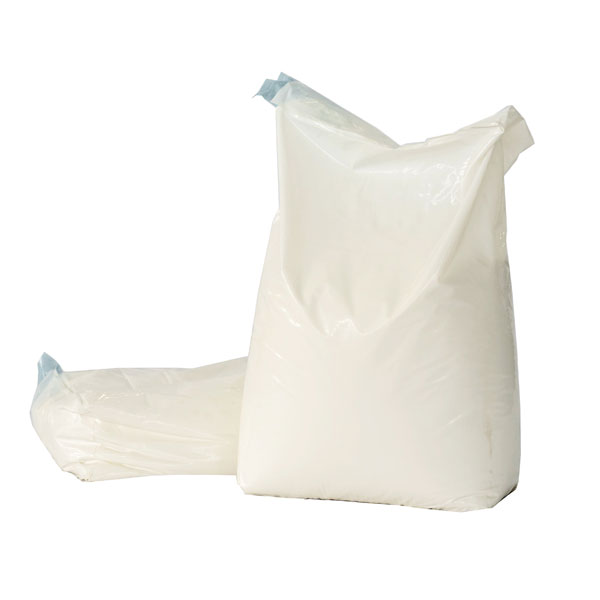
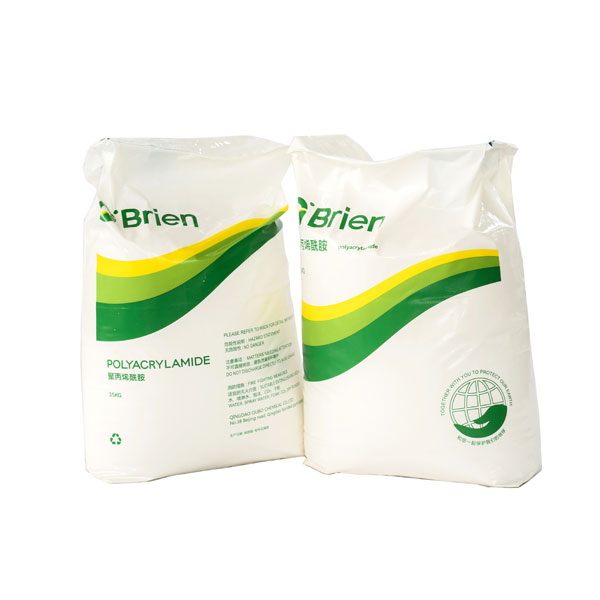
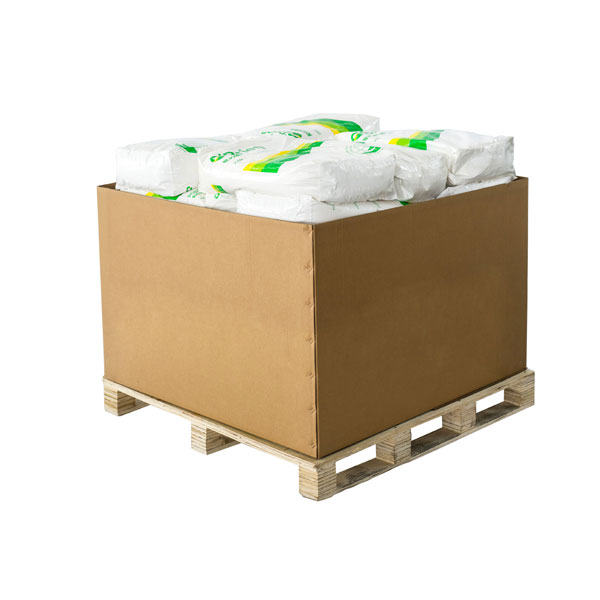
We supply sturdy, moisture-resistant packaging engineered to withstand maritime transport across the tropics and rough inland logistics in South Africa.
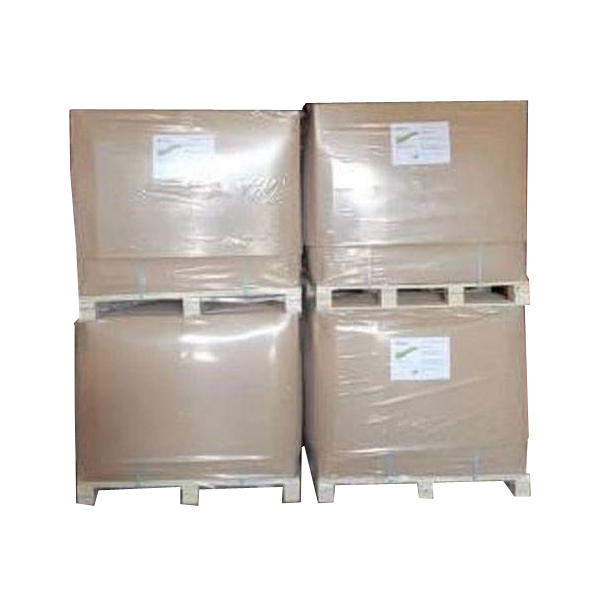
Get quick technical and commercial answers regarding Anionic Polyacrylamide procurement, dosage, and shipping.
Selection depends on slurry pH, solids concentration, particle size, and target settling speed. Generally, high molecular weight APAM (18-25 Mio) with 20-30% anionicity works best for heavy mineral tailings like platinum and gold. We recommend sending a slurry sample or technical sheet for custom Jar Test recommendation.
In dry, sealed original packaging, dry APAM powder has a shelf life of 24 months. Store in a cool, ventilated warehouse away from direct sunlight, rain, and heat sources to prevent moisture absorption and caking.
We advise dissolving APAM powder to a stock solution concentration of 0.1% to 0.3% (w/v). Allow 45-60 minutes of gentle mechanical agitation (200-400 rpm) to fully extend the polymer chains before aging and inline dosing.
Our standard MOQ is 1 Metric Ton (1 Pallet). Ocean transit time from Qingdao Port to Durban Port is approximately 22 to 28 days, with factory dispatch occurring within 7-10 days of order confirmation.
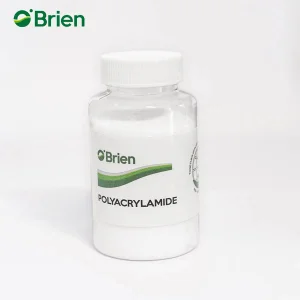
Optimize your solid-liquid separation processes, lower operational chemical costs, and guarantee supply continuity for your South African mining or water treatment plant.
Send Inquiry Now Oubo Chemical