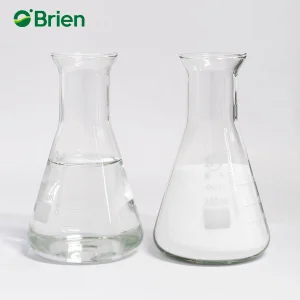
High-Performance Cationic Flocculants (CPAM) Tailored for Austria’s Municipal Wastewater, Pulp & Paper, and Industrial Sludge Dewatering Sector
Send Inquiry NowEngineered for rapid solid-liquid separation, superior cake dryness, and compliance with Austrian Federal Water Act (Wasserrechtsgesetz - WRG) standards.
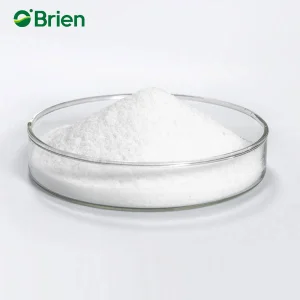
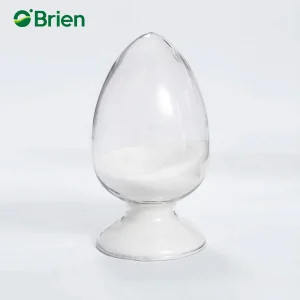
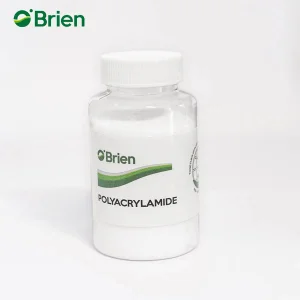
Executive Market Overview: Austria stands at the forefront of European environmental engineering, circular economy adoption, and stringent water resource management under the Austrian Federal Water Act (Wasserrechtsgesetz - WRG) and EU Water Framework Directive (2000/60/EC). Industrial centers across Upper Austria (Linz-Wels industrial corridor), Styria, and Vienna require chemical flocculants engineered for precise charge density matching, low residual monomer content (<200 ppm), and optimal shear resistance during high-speed dewatering processes.
As a global leader in synthetic resin synthesis, Qingdao Oubo Chemical Co., Ltd delivers advanced Cationic Polyacrylamide (CPAM) formulations tailored to the precise operational demands of Austrian municipal water authorities (e.g., Kläranlage Wien), high-output pulp & paper processing facilities (Andritz & Voith equipment integrated mills), and specialized chemical processing operations.
Austria’s pulp and paper industry produces high-grade specialty paper, packaging board, and cellulosic fibers (Lenzing models). Our CPAM products act as high-efficiency retention and drainage aids, minimizing fiber loss, enhancing wet-end chemistry stability, and clarifying white water circuits.
Austrian municipal sewage infrastructure demands exceptionally high sludge cake dry solids content (>25% TS). Oubo’s cationic polyacrylamide dry powders deliver maximum charge neutralization on negatively charged organic sludge particles in high-throughput centrifuge decanters and belt presses.
From chemical refining in Linz to textile dyehouse effluent clarification in Vorarlberg, Oubo CPAM solutions provide targeted flocculation for complex industrial streams containing emulsified organics, pigments, and heavy biological loads.
Polyacrylamide (PAM) is a synthetic resin prepared through the radical polymerization of acrylamide monomers. Cationic Polyacrylamide (CPAM) incorporates cationic monomers such as acryloyloxyethyltrimethyl ammonium chloride (DAC) or methacryloyloxyethyltrimethyl ammonium chloride (DMC), resulting in a linear water-soluble polymer with positively charged functional groups along its backbone.
| Property Parameter | Technical Specification Range | Operational Relevance for Austrian Plant Engineers |
|---|---|---|
| Chemical CAS Number | 9003-05-8 | Universal regulatory index verifying REACH and EU inventory compliance. |
| Ionicity (Charge Density) | 10% - 80% Cationic Ratio | Allows custom tailoring to match specific Zeta Potential requirements of municipal vs industrial sludge. |
| Molecular Weight (MW) | 8.0 Million – 15.0 Million Daltons | High MW ensures robust polymer bridging for dense, fast-settling micro-flocs. |
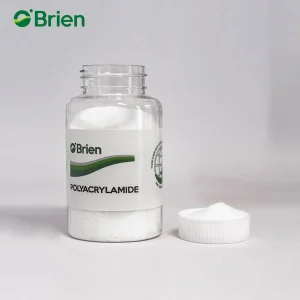
| Appearance / Form | White Free-Flowing Granular Powder | Low dust formulation preventing workplace inhalation risks during auto-dosing. |
| Residual Acrylamide Monomer | ≤ 0.05% (500 ppm standard; < 200 ppm option) | Crucial for meeting strict Austrian eco-toxicological standard limits in water discharge. |
| Dissolution Time | ≤ 60 Minutes (at 25°C under high shear) | Accelerates operational readiness in automated chemical preparation units. |
| Bulk Density | 0.70 – 0.85 g/cm³ | Optimized for precise volumetric feeding equipment. |
In aqueous systems, most suspended organic solids, biological sludge particles, and cellulose fibers carry a net negative surface charge (Zeta Potential between -15 mV and -45 mV). This negative charge creates electrostatic repulsion, preventing particle agglomeration.
Unlike traditional chemical catalytic methods, Qingdao Oubo Chemical Co., Ltd utilizes enzymatic biological synthesis to produce acrylamide monomer. This proprietary biological process offers significant engineering benefits:
Engineered chemical solutions addressing specific operational bottlenecks across Austria's core industrial sectors.
Austrian municipal sewage treatment facilities focus heavily on energy self-sufficiency and high sludge cake dewatering efficiencies to reduce downstream incineration transport costs.
Austria’s alpine paper production operations require advanced wet-end retention and drainage chemicals to handle high-speed machine runs without fiber buildup.
Processing plants in Western Austria require rapid de-colorization and COD reduction prior to discharging processed water into river basins.
For enhanced oil recovery (EOR), drilling fluids, and refinery wastewater purification, high-viscosity non-ionic and anionic polyacrylamide formulations maintain structural integrity under high salinity and temperature.
Tailings management and ore dressing operations in Central Europe benefit from specialized sedimentation aids that maximize water recycling efficiency inside closed loops.
Agro-industrial processing plants require non-toxic, safe flocculating agents for wash-water recycling and organic waste dewatering.
Established in 2011 in the Free Trade Zone of Qingdao, China, Oubo Chemical has grown into one of the world's most reliable, technologically advanced polymer manufacturers.
Our raw material procurement network spans world-class petrochemical leaders, including SINOPEC and Eni. By securing top-grade monomers globally, our automated production lines maintain consistent batch-to-batch polymer chain integrity and zero variation in charge density.
Every single production batch undergoes three rigorous quality verification steps before dispatch:
Engineered for long-distance maritime transit and moisture-proof storage across Austrian industrial sites.
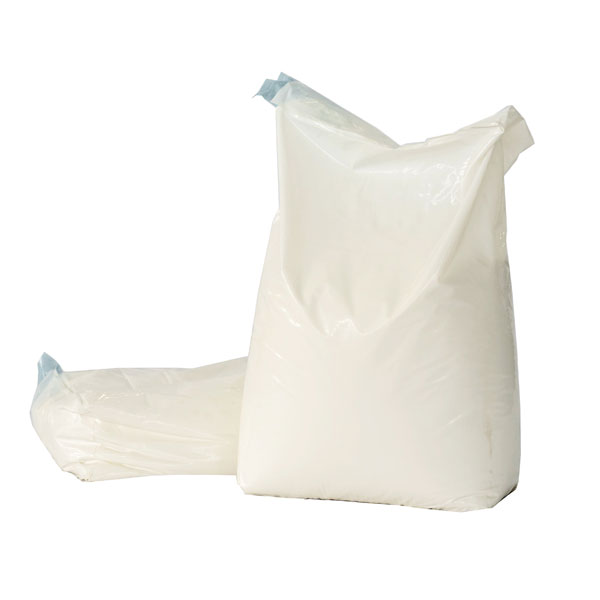
Unbranded 25kg multi-wall Kraft paper bags with inner PE moisture-barrier liner for OEM clients.
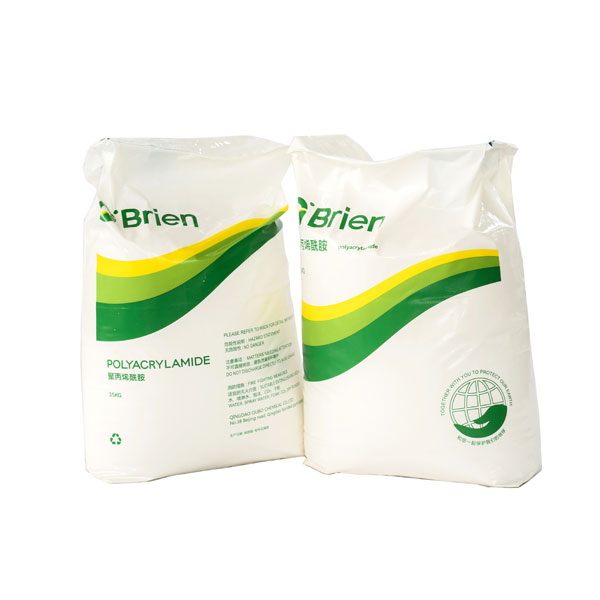
Standard O’Brien brand 25kg bags with multilingual warning labels and batch tracking codes.
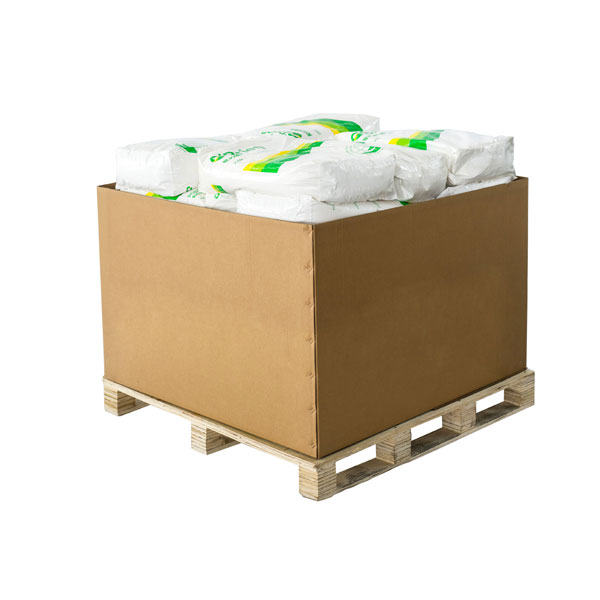
750kg / 1000kg Big Bags with bottom discharge spouts designed for automated bulk dosing hoppers.
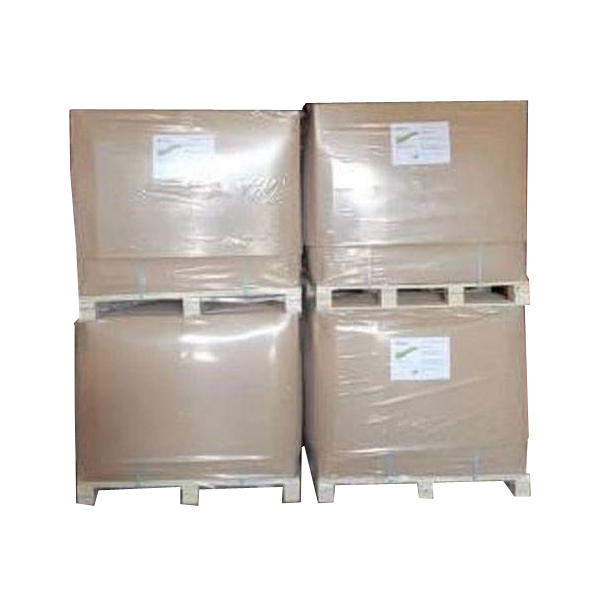
Fumigated wooden or plastic ISPM 15 pallets, heat-shrink wrapped for secure ocean container freight.
Explore our specialized product portfolio encompassing Cationic, Anionic, and Nonionic Polyacrylamide resins.
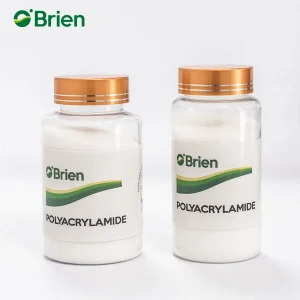
Charge selection depends on your sludge type. Municipal primary/secondary digested biological sludge typically requires high cationic charge density (40% - 60%). Industrial oily sludge or paper mill sludge requires low-to-medium cationic charge (10% - 30%). Oubo’s technical team offers free laboratory Jar Testing to analyze your specific sludge Zeta Potential and recommend the precise molecular weight and charge profile.
In dry, original sealed packaging at temperatures between 5°C and 35°C, Oubo granular Polyacrylamide maintains full stability for 24 months. Aqueous working solutions (typically prepared at 0.1% to 0.3% concentration) should be consumed within 24–48 hours to prevent chain degradation due to hydrolysis or microbial action.
Yes. Oubo Chemical is fully committed to European environmental safety standards. All our polyacrylamide products, including monomer bases, comply with EU REACH requirements and come accompanied by updated Safety Data Sheets (SDS) in accordance with EU CLP regulations.
Orders shipped from our Qingdao Free Trade Zone facility reach major European ports (such as Hamburg, Koper, or Rotterdam) in 25–30 days. From there, inland multimodal freight delivers directly to plant warehouses in Vienna, Linz, Graz, or Innsbruck within 3–5 business days.
Biological monomer synthesis produces polymer chains with ultra-high linearity and negligible branching. This yields higher molecular weights and superior viscoelastic behavior, enabling flocs to reform quickly if disrupted inside high-speed centrifuge bowls.
Contact our senior chemical engineers today to request technical data sheets, free product samples for laboratory testing, or custom price quotes tailored for your Austrian business operations.
Send Inquiry Now Oubo Chemical