What Is Water Treatment Chemical Used For?

Time:2026-09-23 Author:Mason
0%

Water Treatment Chemical is used to make unsafe water suitable for drinking, manufacturing, agriculture, and environmental discharge. Its role is practical: coagulants gather fine particles, disinfectants control pathogens, and corrosion inhibitors protect pipes and equipment. In a treatment plant, a small dosing change can alter pH, chlorine residual, sludge volume, and operating cost.

The need is measurable. The WHO/UNICEF Joint Monitoring Programme reported that 2.2 billion people lacked safely managed drinking water in 2022. The UN World Water Development Report 2024 also connected water insecurity with public health, food production, and industrial resilience. These figures explain why chemical selection cannot depend on price alone. It must consider source-water quality, temperature, contact time, toxicity, by-products, and local discharge requirements.

Dr. Bruce Rittmann, a leading water-treatment researcher, has emphasized that “the goal is resource recovery, not simply waste removal.” That principle changes how we view Water Treatment Chemical. Chemicals should support efficient treatment, not hide weak process control. Yet chemistry is not a magic switch. Poor jar testing, overdosing, or neglected monitoring can create new problems, including excess sludge and unwanted residues. That assumption deserves correction.

A reliable program combines laboratory testing, operator experience, supplier documentation, and continuous measurement. The U.S. EPA’s drinking-water guidance repeatedly stresses treatment barriers and monitoring rather than isolated chemical action. This article will examine what Water Treatment Chemical is used for, how major products work, and where careful judgment remains essential. Water quality is never static. Neither should the treatment plan be.
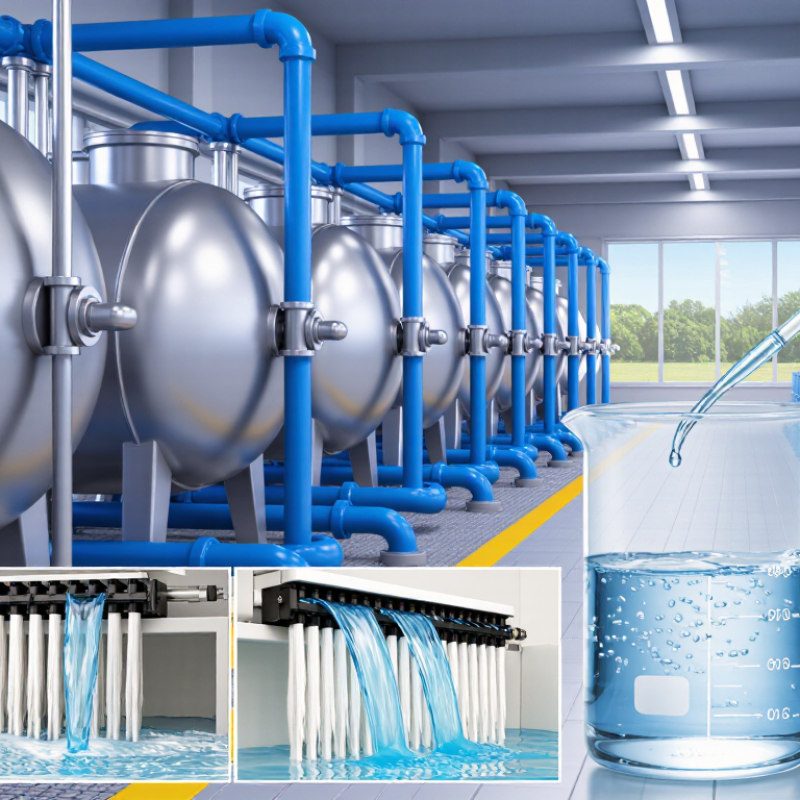
What Is Water Treatment Chemical Used For?

Definition and Purpose of Water Treatment Chemicals

Water treatment chemicals are substances used to control unwanted materials in water. They help remove suspended particles, harmful microorganisms, dissolved metals, and unpleasant odors. Their purpose depends on the water source and the treatment goal. Drinking water, wastewater, and industrial process water need different chemical programs.

Coagulants gather tiny particles into larger clusters. Flocculants help those clusters settle or filter more easily. Disinfectants control bacteria, viruses, and other microorganisms.

pH adjusters create conditions for treatment reactions to work properly. Other chemicals can reduce scale, limit corrosion, or bind specific metals. Each chemical has a defined role.

More chemical does not mean cleaner water. A poor dose can leave residues, damage equipment, or increase treatment costs. In practical operations, technicians check turbidity, pH, temperature, and disinfectant levels regularly. Jar testing can show how particles respond before full-scale dosing begins. Still, test results are not perfect. Water quality may change after heavy rain, pipe repairs, or seasonal shifts. Operators should follow local regulations, safety data, and verified monitoring procedures. Small details matter.

Main Types of Chemicals Used in Water Treatment

What Is Water Treatment Chemical Used For?

Main Types of Chemicals Used in Water Treatment

Water treatment chemicals help remove impurities and control harmful reactions. Coagulants gather fine particles into larger clusters. Flocculants make these clusters easier to settle or filter. This process can turn cloudy water visibly clearer within minutes. However, clear water is not always safe water.

Disinfectants, such as chlorine-based compounds, reduce bacteria, viruses, and other microorganisms. pH adjusters keep water within a suitable chemical range. This protects equipment and improves treatment performance. Corrosion inhibitors help limit metal damage inside pipes and tanks. Antiscalants reduce mineral deposits on membranes and heating surfaces. Activated carbon can also remove unpleasant tastes, odors, and some organic compounds. Each chemical has a specific purpose. Using more chemical does not necessarily improve results.

Tips: Test the incoming water before selecting a treatment chemical. Check pH, turbidity, hardness, temperature, and microbial conditions. Begin with small dosing trials under controlled conditions. Keep accurate records of dosage and water quality changes. Operators should follow current safety instructions and use suitable protective equipment. Chemical compatibility also matters, especially when several products enter one system. In practice, water quality can change after heavy rain or seasonal temperature shifts. A treatment plan that worked yesterday may need adjustment today. That uncertainty is easy to underestimate. Regular testing remains more reliable than guesswork.

What Are Water Treatment Chemicals Used For?

Water treatment chemicals are used to remove suspended particles, control pH, prevent scaling and corrosion, reduce organic matter, and destroy microorganisms. The chart shows representative application-dose ranges commonly used in drinking-water and industrial water treatment; actual dosing depends on water quality, process design, and jar or pilot testing.

How Water Treatment Chemicals Work

What Is Water Treatment Chemical Used For?

How Water Treatment Chemicals Work

Water treatment chemicals work by changing how contaminants behave in water. Coagulants neutralize the electrical charges around dirt, clay, and organic particles. These particles then collide and form larger clusters. Flocculants help those clusters grow into heavier flocs. These particles become visible. Operators can remove them through settling or filtration.

The chemical choice depends on water quality, temperature, alkalinity, and the treatment goal. pH adjusters create conditions where other chemicals perform effectively. Disinfectants damage harmful microorganisms before treated water enters distribution pipes. Corrosion inhibitors can form a protective layer inside metal systems. In practice, operators often use jar tests with small beakers to compare doses and observe floc formation.

Dosing requires careful measurement. Too little chemical may leave cloudy water or insufficient disinfection. Too much can increase residue, alter taste, or create unnecessary treatment waste. No formula works perfectly for every site. Rainfall, industrial discharge, and seasonal changes can quickly affect raw water. Even experienced operators can misjudge a dose without current testing. Regular laboratory analysis, calibrated equipment, and documented monitoring support safer decisions. A treatment plan should be reviewed when turbidity, pH, or microbial results change.

Applications in Drinking Water and Industrial Systems

What Is Water Treatment Chemical Used For?

Water treatment chemicals support safe drinking water and reliable industrial operations. In drinking water plants, coagulants gather fine particles into removable flocs. Filtration then captures suspended matter. Disinfectants control bacteria, viruses, and other pathogens. The World Health Organization reports that 2.2 billion people lacked safely managed drinking water in 2022. This figure shows why treatment control remains essential, not optional.

Chemical treatment also protects industrial systems. pH adjusters reduce corrosion in pipelines and process tanks. Scale inhibitors help protect boilers, cooling towers, and heat exchangers. Biocides control microbial growth, especially where warm water circulates. UN-Water estimates that industry uses about 20% of global freshwater withdrawals. Therefore, treatment can support water reuse and reduce equipment downtime. However, chemical dosing is not a magic solution. Poor monitoring may create new risks, including unstable water quality or excessive residuals. The real challenge is matching dosage to water chemistry, temperature, flow, and end use.

Tips: Test source water before selecting chemicals. Track pH, turbidity, conductivity, and disinfectant residuals. The WHO Guidelines for Drinking-water Quality commonly reference a chlorine residual near 0.2–0.5 mg/L at delivery, but local conditions and regulations differ. Keep accurate dosing records. Review them after heavy rain, maintenance, or production changes. Small errors matter. A practical system still needs trained operators, calibrated instruments, and independent laboratory checks.

Safety, Regulation, and Environmental Considerations

What Is Water Treatment Chemical Used For?
Safety, Regulation, and Environmental Considerations

Water treatment chemicals support disinfection, pH control, coagulation, and corrosion reduction. They help remove suspended particles, metals, microbes, and unpleasant odors. In drinking-water plants, operators may use disinfectants to control pathogens before distribution. Wastewater facilities may also use chemicals to improve settling and reduce nutrient pollution.

Safety begins with accurate dosing and controlled storage. Containers should remain labeled, sealed, and separated from incompatible materials. Trained workers need suitable protective equipment, ventilation, and emergency washing facilities. A small dosing error can affect thousands of liters. Operators should follow current safety data and keep treatment records. Regulations differ by country, water type, and discharge location. Permits may define chemical limits, residual levels, sampling frequency, and reporting duties.

Environmental review must continue after treatment. Some chemicals can form unwanted byproducts or increase salt levels in discharged water. Excess disinfectant may harm fish and aquatic microorganisms. Treatment sludge can also contain concentrated contaminants and requires responsible handling. Routine testing should examine pH, residual disinfectant, turbidity, metals, and biological indicators. Clear water is not always safe water. That assumption deserves challenge. A practical plan should compare chemical use with filtration, process control, and lower-impact alternatives. Conditions change with temperature, rainfall, and source-water quality, so fixed dosing may be unreliable. Better decisions come from measured results, trained judgment, and honest review of failures.

What Is Water Treatment Chemical Used For? - Safety, Regulation, and Environmental Considerations

Chemical Category Primary Water-Treatment Use Main Targets or Results Key Safety Considerations Regulatory Considerations Environmental Considerations
Chlorine-based disinfectants
Examples: chlorine gas, hypochlorites
Disinfection of drinking water, wastewater, and process water. Inactivates many bacteria and viruses and provides a measurable residual disinfectant. Can irritate or burn skin, eyes, and respiratory tissue. Acids must not be mixed with hypochlorites because toxic chlorine gas may form. Use and residual levels are controlled by applicable drinking-water or wastewater standards. Disinfection by-products may require monitoring. May form regulated by-products such as trihalomethanes and haloacetic acids when natural organic matter is present.
Chlorine dioxide Disinfection and oxidation of taste, odor, iron, manganese, and certain organic compounds. Controls microorganisms and can reduce some chlorine-related taste and odor problems. A strong oxidizer; concentrated solutions and precursor chemicals require controlled storage, ventilation, and trained handling. Chlorite and chlorate, which can be formed during use, may be subject to drinking-water limits and process monitoring. Discharge controls may be needed to limit residual oxidant and chlorite or chlorate releases.
Aluminum salts
Examples: alum, polyaluminum coagulants
Coagulation and flocculation to remove suspended particles, color, and part of the organic matter. Improves clarification and filtration by forming larger settleable or filterable flocs. Acidic or corrosive concentrates may irritate or burn tissue. Proper dosing and pH control are required. Treatment chemicals should meet applicable purity and drinking-water-use requirements. Finished-water residuals may be monitored. Generates chemical sludge that requires dewatering, characterization, and lawful disposal or beneficial reuse.
Iron salts
Examples: ferric chloride, ferric sulfate
Coagulation, phosphorus removal, and treatment of turbidity and some dissolved contaminants. Forms iron hydroxide flocs that capture particles and can precipitate phosphate. Many liquid products are acidic and corrosive. Contact can damage skin, eyes, and equipment. Phosphorus discharge permits and sludge-management rules may apply, especially for municipal wastewater facilities. Increases sludge production and may affect sludge reuse or disposal because of iron and captured contaminants.
Polymer flocculants
Examples: cationic, anionic, and nonionic polymers
Enhances floc formation, solids separation, sludge thickening, and dewatering. Improves settling and filtration while potentially reducing inorganic coagulant demand. Dry powder can create dust; spilled liquid or powder creates extremely slippery surfaces. Follow the safety data sheet. Product approval, residual monomer limits, and application requirements may apply where treated water contacts people or food. Overdosing can increase organic loading or toxicity concerns in receiving waters; residual polymer should be minimized.
Lime and caustic alkalis
Examples: calcium hydroxide, sodium hydroxide
pH adjustment, alkalinity control, softening, and precipitation of selected metals. Raises pH and can remove hardness or metals when the process is properly controlled. Strongly corrosive; can cause severe skin and eye burns. Dust from lime may irritate the respiratory system. Discharge permits commonly specify acceptable pH ranges. Chemical storage and worker-protection rules also apply. Excessive dosing can cause high-pH effluent and harm aquatic organisms; treatment produces mineral-rich residuals.
Acids
Examples: sulfuric acid, hydrochloric acid
pH reduction, alkalinity adjustment, resin regeneration, and control of scaling in selected systems. Lowers pH and helps maintain process conditions required for treatment or membrane operation. Highly corrosive. Mixing acid with hypochlorites can release chlorine gas; acid must be added to water carefully, never the reverse. Effluent pH, worker safety, hazardous-material storage, and spill-reporting requirements may apply. Low-pH discharge can damage aquatic life and infrastructure; neutralization may be necessary before release.
Ozone Advanced disinfection and oxidation of taste, odor, color, and some organic micropollutants. Provides strong oxidation without transporting a long-lived ozone residual in treated water. Toxic by inhalation at elevated concentrations; ozone must be contained, monitored, and destroyed before exhaust is released. Treatment performance and any resulting by-products may require validation or monitoring under local standards. Can form bromate when bromide is present, so source-water chemistry and operating conditions require control.
Activated carbon Adsorption of taste, odor, chlorine, and various organic contaminants. Reduces many dissolved organic compounds; effectiveness depends on carbon properties and water quality. Carbon dust may irritate the lungs and can present a combustible-dust or fire risk in certain conditions. Used carbon and backwash water may require characterization and controlled disposal, particularly when contaminants are concentrated. Spent carbon can transfer captured contaminants to another waste stream; regeneration or disposal should prevent secondary releases.
Sodium bisulfite and sulfite compounds Dechlorination before discharge and protection of chlorine-sensitive membrane systems. Consumes residual chlorine and reduces oxidant toxicity in treated effluent. May irritate skin, eyes, and airways. Acidification can release sulfur dioxide gas. Residual chlorine limits and dissolved-oxygen requirements determine the necessary dechlorination dose. Overdosing can reduce dissolved oxygen in receiving waters and stress aquatic organisms.
Antiscalants and corrosion inhibitors
Examples: phosphonate- or polymer-based products
Controls scale formation and corrosion in cooling systems, boilers, pipelines, and membrane systems. Maintains flow, heat-transfer efficiency, and membrane performance while reducing mineral deposits. Hazards vary by formulation; safe handling requires label instructions, protective equipment, and proper storage. Industrial discharge permits may regulate phosphorus, metals, toxicity, and formulation-specific constituents. Phosphorus-containing products can contribute to eutrophication if discharged without adequate removal or control.

Note: Applicable limits, approval requirements, storage rules, and discharge conditions vary by country, state, province, water type, and end use. Chemical selection and dosing should be based on site-specific testing, process design, and the current safety data sheet.

FAQS

What are water treatment chemicals used for?

They remove particles, microorganisms, dissolved metals, odors, and mineral deposits. Different water sources need different treatment goals. Clear water is not always safe water.

How do coagulants and flocculants work?

Coagulants gather tiny suspended particles into larger clusters. Flocculants strengthen these clusters for settling or filtration. Cloudy water may look clearer within minutes.

Do higher chemical doses produce cleaner water?

No. Excess dosing can leave residues, damage equipment, and raise costs. Small dosing trials are safer than guesswork.

Which water conditions should operators test?

Operators should check pH, turbidity, hardness, temperature, and microbial conditions. Residual disinfectant and metal levels also matter. Test results can still miss sudden changes.

Why can a treatment plan need adjustment?

Heavy rain may change turbidity and microbial conditions. Seasonal temperatures can alter chemical reactions. A plan that worked yesterday may fail today.

How should treatment chemicals be stored?

Keep containers labeled, sealed, and separated from incompatible materials. Storage areas need ventilation and controlled access. Emergency washing facilities should be nearby.

What environmental risks require attention?

Excess disinfectant may harm fish and aquatic microorganisms. Some chemicals can increase salt levels or form unwanted byproducts. Treatment sludge may contain concentrated contaminants.

Is chemical treatment better than filtration or process control?

Not always. Filtration and process control may reduce chemical demand in some systems. The best choice depends on measured water quality, costs, and local requirements. This comparison is sometimes overlooked.

Conclusion

A Water Treatment Chemical is a substance used to improve water quality by removing, neutralizing, or controlling unwanted contaminants. These chemicals may include coagulants, flocculants, disinfectants, pH adjusters, corrosion inhibitors, and antiscalants. Each type serves a specific purpose, such as helping suspended particles settle, preventing harmful microorganisms from spreading, balancing acidity, or reducing mineral buildup in pipes and equipment.

Water treatment chemicals are applied in drinking water systems, wastewater facilities, manufacturing plants, cooling towers, boilers, and other industrial processes. Their effectiveness depends on accurate dosing, proper monitoring, and consideration of the water’s composition. Because misuse can affect human health and the environment, treatment chemicals must be stored, handled, and applied according to safety procedures and relevant regulations. Responsible water treatment also includes selecting suitable substances, minimizing unnecessary discharge, and monitoring treated water to ensure it meets quality and environmental requirements.

Mason

Mason

Mason is a seasoned marketing professional with a deep expertise in the company's offerings and a passion for driving brand awareness. With a strong background in digital marketing strategies, he has an innate ability to connect with diverse audiences and effectively communicate product benefits.......