China Top 10 Paper Making Chemical Manufacturers?

Time:2026-10-13 Author:Oliver
0%

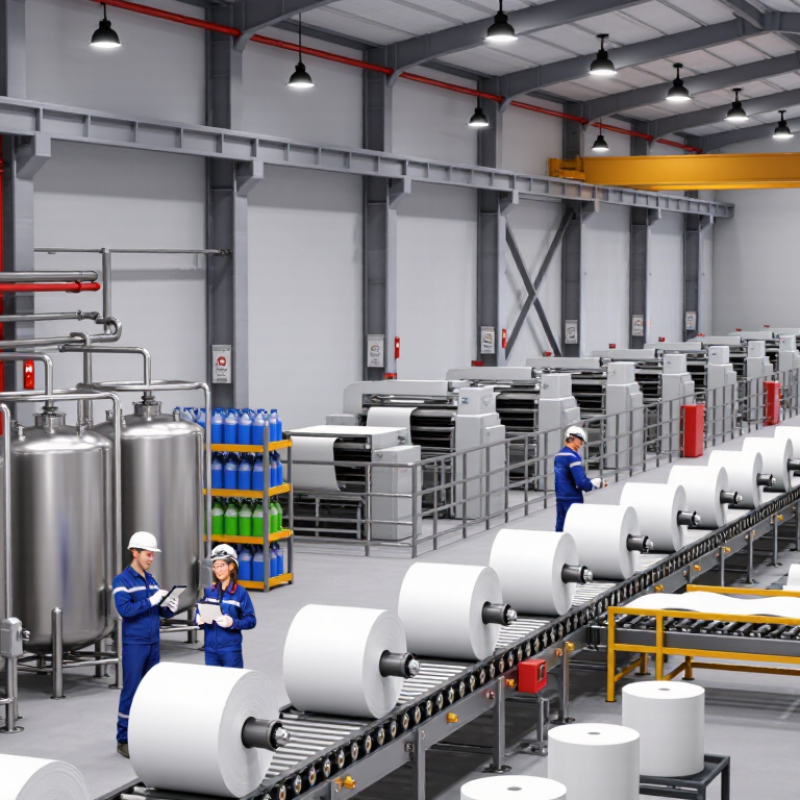
China Top 10 Paper Making Chemical Manufacturers? This guide examines leading suppliers through practical, verifiable criteria. The focus is not only company size or export volume. It considers product consistency, technical support, production capacity, certifications, and customer feedback. Paper Making Chemical suppliers may offer retention aids, sizing agents, defoamers, bleaching chemicals, strength additives, and coating materials. Each product affects paper quality, machine efficiency, and operating costs.

A reliable manufacturer should provide clear specifications, safety data sheets, batch information, and application guidance. Factory experience matters. For example, a paper mill may need stable retention during high-speed production, not merely an attractive laboratory result. Suppliers with pilot testing, on-site troubleshooting, and responsive engineers usually create stronger long-term value. Environmental performance also deserves careful attention. Wastewater compatibility, responsible raw materials, and compliance with destination-market requirements can influence purchasing decisions. Certifications help, but they do not replace independent verification.

This ranking remains partly subjective. Market data changes. Some companies have limited public information, while others communicate their capabilities more effectively. That difference can affect visibility without proving superior performance. Therefore, readers should compare technical documents, sample results, production audits, and commercial terms before choosing a partner. A short mill trial may reveal issues that brochures hide. Look closely. The purpose of this article is to support informed sourcing, not to declare one universal winner. Each manufacturer should be judged against the buyer’s paper grade, equipment, formulation, environmental targets, and service expectations.
China Top 10 Paper Making Chemical Manufacturers?

Paper-Making Chemicals: Industry Scope and Market Overview

Paper-Making Chemicals: Industry Scope and Market Overview

Paper-making chemicals support pulping, bleaching, sizing, coating, retention, drainage, and wastewater treatment. Their performance affects sheet strength, surface smoothness, printability, and production speed. In practical mill operations, small dosage changes can alter moisture levels, formation, and energy use. The main product groups include functional additives, process chemicals, coating ingredients, and specialty treatment agents. Each group serves a different stage of paper production.

China has a broad manufacturing base for these materials. Domestic supply covers common additives and increasingly specialized formulations. Demand comes from packaging paper, tissue, printing grades, and recycled fiber processing. Recycled pulp creates extra challenges. Ink removal, dissolved substances, and unstable fiber quality can reduce machine efficiency. Mills therefore assess chemical performance through retention tests, drainage measurements, ash content, and finished-sheet strength.

Market growth is linked to sustainable packaging, water conservation, and improved recycling systems. Regulations also encourage lower-emission processes and safer chemical handling. However, market estimates can differ because product categories are not defined consistently. Price alone is a weak purchasing guide. A cheaper additive may increase foam, deposits, or wastewater treatment costs. Field trials remain important, although they require time and disciplined sampling. Some formulations perform well in laboratory tests but behave differently on fast machines. That gap deserves more attention. Reliable manufacturers usually provide technical data, application guidance, batch consistency, and responsive support for mill-specific conditions.

China Top 10 Paper Making Chemical Manufacturers? - Paper-Making Chemicals: Industry Scope and Market Overview

This chart shows the leading paper and paperboard-producing markets in 2022, measured in million metric tonnes. Production volume is used as a practical indicator of potential demand for paper-making chemicals, including sizing agents, retention aids, strength additives, bleaching chemicals, coating chemicals, and process chemicals. The figures are rounded estimates based on FAOSTAT Forestry Production and Trade data; they represent paper production rather than chemical sales or individual manufacturer revenue.

Criteria for Ranking China’s Leading Chemical Manufacturers

Ranking China’s leading paper-making chemical manufacturers requires more than revenue. The stronger test covers product quality, technical service, compliance, and supply reliability. China Paper Association’s 2023 Annual Report recorded 129.65 million tonnes of paper and paperboard production. That scale supports demand for retention aids, sizing agents, coatings, bleaching chemicals, and process additives. A supplier serving large mills must deliver stable batches, not impressive samples alone. Small differences matter. They affect drainage, formation, brightness, and machine downtime.

A practical ranking should assign measurable weights. Product consistency and mill performance could represent 30 percent. Research capacity, application laboratories, and field engineers could receive 20 percent. Environmental controls, wastewater performance, and documented safety management deserve another 20 percent. Supply resilience, delivery accuracy, and technical response may account for 15 percent. The final 15 percent should assess transparent pricing and audited customer references. This risk-based method is more useful than popularity. ISO-based testing records help, but they cannot replace trials on operating paper machines.

Market scale also needs context. FAO’s Forestry Production and Trade data place China among the world’s largest paper and paperboard producers. This confirms its strategic importance in global supply chains. Yet public chemical sales data remain incomplete. That weakens any absolute top-ten claim. A credible list should disclose source dates, product categories, scoring methods, and conflict controls. It should separate commodity volume from specialist capability. Results should be reviewed annually as capacity, energy costs, and environmental requirements change. Ranking remains imperfect. That limitation deserves clear disclosure.

Profiles of China’s Top 10 Paper-Making Chemical Manufacturers

China’s top ten paper-making chemical manufacturers reflect a broad and highly specialized industrial base. Their portfolios commonly cover retention aids, sizing agents, coating additives, defoamers, bleaching chemicals, and strength enhancers. Some focus on recycled fiber systems, while others serve tissue, packaging, or coated paper mills. The strongest suppliers usually combine laboratory research with pilot-scale testing. That matters on a real production line.

A practical profile should examine more than product range. It should consider raw material control, application support, wastewater awareness, and batch consistency. Several manufacturers operate technical centers near major paper-producing regions. These facilities can test drainage, ash retention, surface strength, and coating smoothness with mill-specific furnish. Small details count. A two-minute change in drainage can affect machine speed, steam use, and sheet formation. Export experience, documentation quality, and response time also reveal operational maturity.

However, “top ten” is not an absolute label. Rankings can change with market demand, regional service, and technical performance. A supplier may perform well in packaging paper but lack experience with delicate tissue grades. Another may offer advanced chemistry but provide limited on-site support. This is where careful comparison becomes necessary. Buyers should request trial data, safety documentation, compatibility tests, and transparent performance targets. Price alone can mislead. In my view, the most dependable manufacturers are those willing to discuss failed trials, adjustment limits, and long-term process stability.

Key Products and Applications in Paper Manufacturing

China’s leading paper-making chemical manufacturers supply products for strength, drainage, coating, and machine stability. China Paper Association data reported approximately 144 million tonnes of paper and paperboard production in 2023. This scale creates demand for retention and drainage aids, dry-strength agents, wet-strength resins, sizing chemicals, defoamers, and coating additives.

Retention polymers help fibers and fillers remain in the sheet, improving formation and reducing solids in wastewater. AKD and ASA sizing agents improve water resistance in packaging and printing grades. Starch-based dry-strength products support lighter papers without sacrificing handling performance.

Coating pigments and binders create smoother surfaces for ink adhesion. Bleaching chemicals improve brightness, but dosage control matters. FAO’s Forestry Production and Trade database shows global paper and paperboard production exceeded 400 million tonnes in 2022, highlighting the importance of efficient chemical use across large mills. Smithers’ specialty-paper outlook also identifies performance coatings and functional additives as important growth areas.

Tips: Match each chemical to furnish quality, pH, temperature, and machine speed. Run controlled mill trials before changing full-scale dosage. A cheaper product is not always economical; I have seen higher retention increase sheet defects. This is where supplier data can look convincing, yet real production conditions may disagree. Track ash retention, drainage time, moisture, brightness, and final strength together. Avoid judging performance from one shift alone.

Manufacturing Capacity, Quality Standards, and Export Reach

China Top 10 Paper Making Chemical Manufacturers?

Manufacturing capacity matters when paper mills face sudden demand. Leading Chinese producers often operate multiple reactors, blending lines, and automated filling systems. Their product ranges may include retention aids, sizing agents, defoamers, coating additives, and bleaching chemicals. A reliable supplier should provide stable batches across different production sites. Bigger capacity does not always mean better performance.

Quality control begins with raw material testing and continues through final inspection. Strong manufacturers commonly maintain ISO 9001 systems and documented laboratory procedures. Some also follow ISO 14001 practices for environmental management.

Buyers should request certificates, technical data sheets, safety data sheets, and recent test reports. Viscosity, active content, pH, and moisture can affect paper formation. Small variations matter. Sometimes suppliers present polished documents but limited mill data.

Export reach reveals operational maturity. Experienced manufacturers usually support container loading, moisture protection, multilingual documentation, and port coordination. They should understand destination requirements, including chemical registration, labeling, and transport rules.

Export records can show whether a supplier serves diverse markets or depends on one region. However, shipment volume alone is not proof of reliability. Delays, damaged drums, or inconsistent customs documents can interrupt production.

A careful evaluation should include sample trials, customer references, response times, and an agreed process for handling complaints. Even established factories can improve; paper chemistry is not perfectly predictable.

FAQS

How should paper-making chemical manufacturers be ranked?

Rank them by product consistency, technical service, compliance, supply reliability, and transparent pricing. Revenue alone is insufficient.

Which factor deserves the highest weighting?

Product consistency and mill performance may receive 30 percent. Stable batches matter more than attractive laboratory samples.

Why are technical laboratories and field engineers important?

They adjust chemical programs for furnish quality, pH, temperature, and machine speed. Good advice must work during production.

Which chemicals are commonly used in paper manufacturing?

Mills use retention aids, drainage agents, sizing chemicals, strength additives, defoamers, bleaching chemicals, and coating materials.

How do retention polymers improve paper production?

They keep fibers and fillers inside the sheet. This can improve formation and reduce solids in wastewater.

What should mills check before changing chemical dosage?

Run controlled mill trials first. Track ash retention, drainage time, moisture, brightness, and final strength together.

Is the cheapest chemical always the most economical choice?

No. A lower price may hide higher defects, waste, or downtime. Higher retention can sometimes worsen sheet quality.

Can one production shift prove a chemical’s performance?

Usually not. Conditions change across shifts. One result can look convincing, but still be misleading.

Why should ranking reports disclose limitations?

Public sales data can be incomplete. A credible report should show dates, categories, scoring methods, and conflict controls.

How often should manufacturer rankings be reviewed?

Review them annually. Capacity, energy costs, environmental requirements, and supply conditions can change. Ranking remains imperfect.

Conclusion

China’s paper-making chemical industry supports the production of printing paper, packaging board, tissue, specialty paper, and recycled paper. This article presents an original overview of the sector, explaining market scope, major application areas, and the factors used to assess leading manufacturers. The ranking framework considers product consistency, research and development capabilities, production capacity, environmental management, quality control, customer support, and international supply reliability.

The profiles focus on ten representative Chinese manufacturers without promoting specific brands, highlighting their roles in supplying functional additives, retention and drainage aids, sizing agents, coating materials, bleaching auxiliaries, defoamers, and water-treatment solutions. The discussion also examines how these products improve strength, smoothness, brightness, printability, water resistance, and production efficiency. In addition, it reviews manufacturing standards, testing procedures, quality certifications, export reach, and the ability to provide customized solutions for different paper grades. Overall, the article offers a practical guide to evaluating China’s Paper Making Chemical suppliers and understanding their contribution to modern, efficient, and responsible paper manufacturing.

Oliver

Oliver

Oliver is a seasoned marketing professional with a wealth of expertise in driving brand awareness and engagement. With a deep understanding of our company's product offerings, he consistently delivers high-quality content that enriches our professional blog. His insights not only shed light on......